

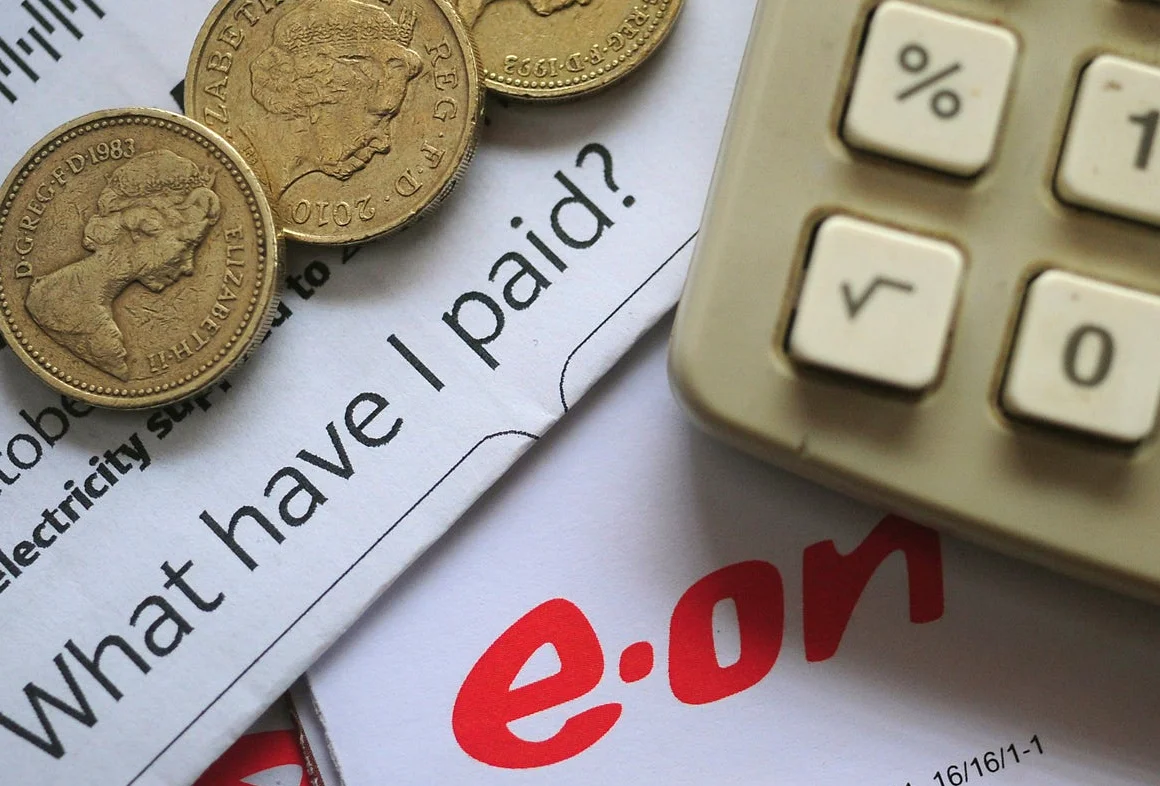
UK household energy debt has surged to £5.5 billion over the past three years, forcing typical customers to pay an additional £50 annually to cover the shortfall, according to a new report from Energy UK. The report warns that without urgent intervention, the debt could exceed £7 billion by the end of 2026.
Escalating Debt and Unpaid Bills
According to Energy UK, which represents energy firms, around two million households are currently in debt to their energy suppliers. Nearly three-fifths of these households are not on any repayment plans. Arrears, or overdue payments, now account for 75% of all unpaid energy bills, meaning that the majority of this debt is not being managed through structured repayment schemes.
More than one million households currently have no registered details with their energy suppliers, increasing the risk of unmanaged debt. This lack of contact makes it difficult for suppliers to engage with customers and offer support, according to the report.
Impact on Consumers
The energy debt is now being passed on to all households. Dual fuel customers on the price cap are paying an extra £50 a year to cover the debt, while standard credit customers—those who pay for their energy after use—are paying an additional £140 annually. This is due to a “debt allowance” built into their tariffs, which is designed to absorb the cost of unpaid debts from other customers.
Energy UK’s chief executive, Dhara Vyas, called the situation a “massive crisis for the energy sector,” noting that the challenges are unique compared to other utilities and affect all energy customers. She stated that suppliers have a range of strategies to support customers, but with debt and arrears spiraling out of control, the industry cannot fix the problem alone.
Vyas emphasized that immediate and decisive action from both Ofgem and the government is essential to stabilize the sector and protect both households and the companies that supply them. She warned that the current approach is insufficient and that urgent intervention is necessary to prevent the situation from worsening.
Regulatory Response and Proposed Solutions
Energy UK highlighted that a series of regulatory decisions have made it easier for households to fall into debt and harder for them to recover. It criticized Ofgem’s Debt Relief Scheme, which aims to write off £500 million in debt, as a “welcome first step” but said it fails to address the scale of the crisis.
The report noted that the limited scope and delayed rollout of the scheme are unlikely to deliver meaningful and sustainable reductions in debt levels. Energy UK is calling on the government, Ofgem, energy suppliers, and debt advice agencies to coordinate their strategies to address the problem.
Energy UK has proposed a targeted scheme that would use improved data collection on income, health, energy usage, and occupancy to identify households most in need of support for their bills. It has also called for a reconsideration of restrictions on the increased adoption of smart prepayment meters where appropriate, to allow the industry to “safely support customer budgeting while enabling suppliers to easily provide support where required.”
An Ofgem spokesman said the regulator recognizes the current levels of energy debt are unsustainable and acknowledged that the challenge requires action from everyone—the regulator, government, and industry alike. They are working on plans to introduce a debt relief scheme that could help struggling households get back on track and are proposing changes to the home-move process to prevent people from unknowingly building up energy debt.
Despite these efforts, Energy UK’s warning comes a day after Ofgem cut the energy price cap by £117 to £1,641 a year for a typical dual fuel household from April 1. However, domestic energy costs remain about a third higher than before Russia’s invasion of Ukraine triggered the European energy crisis in 2022.
Simon Francis, coordinator of the End Fuel Poverty Coalition, said the rise in energy debt is due to energy bills remaining far higher than household incomes can sustain. He emphasized that the issue is not widespread “won’t pay” behavior but rather people who simply cannot afford the bills landing on their doormats. He warned that if debts continue on their current trajectory toward £7 billion by 2027, millions of families could be locked into a permanent cycle of fuel poverty.
Francis called for urgent progress on debt relief, fairer standing charges, a social tariff for those on the lowest incomes, and a major programme of home energy upgrades to bring bills down for good. He stressed that the priority should be preventing debt from building up in the first place.





Comments
No comments yet
Be the first to share your thoughts