

 BBC
BBC 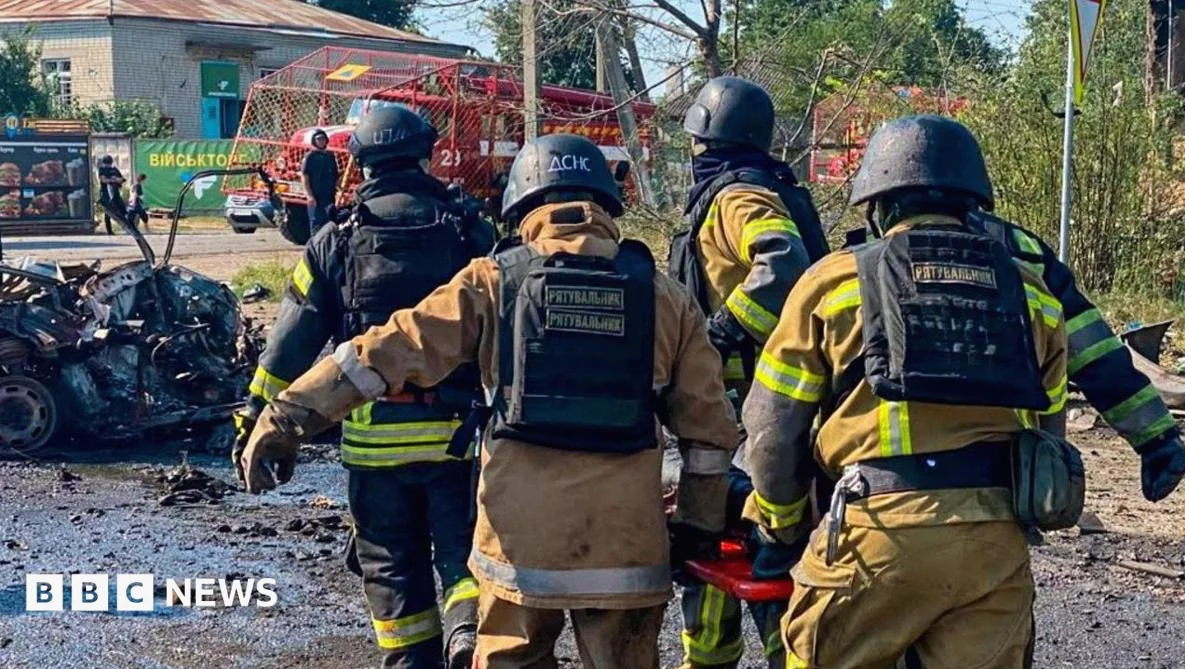
UK Stands by Ukraine Amid Russian Warnings
‘We are not fair-weather friends, we will be there in Ukraine’s hour of need and that won’t change,’ he said. The Russian embassy in the UK earlier accused Britain of ‘deliberately opting for an escalation of the Ukraine crisis,’ saying ‘the deeper its involvement in the conflict… the higher the price it will pay.’
Kyiv has stepped up long-range attacks on Moscow and other Russian regions, targeting oil refineries and warehouses of the largest online retailer Wildberries. Asked on Tuesday about the Russian threat, Burnham maintained that the UK was ‘providing support so that Ukraine can defend itself and that’s been the British position all the way through this conflict, by previous prime ministers – it remains the case with me.’
UK’s Role in the Ukraine Conflict
This is not the first time that Russia has warned the UK over its role in providing Ukraine with drone technology and Storm Shadow missiles. The Russian embassy said ‘London’s actions will inevitably carry consequences for which it will have to answer,’ but did not elaborate on the type of threat Moscow was considering.
The latest phase of the war has directly affected Russia’s domestic fuel supplies and dented the Russian economy — the UK has been one of Ukraine’s biggest international supporters since Russia launched its full-scale invasion in February 2022. The Ministry of Defence said the UK was ‘committed to providing the equipment Ukraine needs to defend itself against [Russian President Vladimir] Putin’s illegal invasion.’
Two British companies are known to have built drones supplied to Kyiv. A military source confirmed to the BBC that UK drones had been used in recent attacks on Russia that reportedly caused more than £35bn in economic damage. The Kremlin has regularly singled out the UK – along with the US – for its role in arming and backing Kyiv politically and financially since the start of the war.
Recent Developments in the Conflict
It was London – then under Boris Johnson’s leadership – that supplied Ukraine with very effective anti-tank weapons that helped to stop Moscow’s advance on Kyiv in the first few weeks of the war. The UK has since provided more modern weaponry and has also been actively training Ukrainian soldiers, while In July, Burnham showed that Britain’s support would continue by making his first international visit as prime minister to Kyiv.
On Russia’s state TV channels, the anti-UK rhetoric has intensified in recent weeks, with invited experts and lawmakers regularly calling for strikes against the UK; Russia currently controls approximately a fifth of Ukrainian territory but its forces have had very little success on the front line for months. Even so, casualties have continued to mount.
UN officials say last month’s civilian death toll of 437 people in Ukraine was the highest since May 2022. In Russia, a foreign ministry spokesman told the Tass news agency on Tuesday that in the past week 69 people including three children had been killed. In the latest Russian attacks on Ukraine, 17 people were killed, including 10 in the village of Pechenihy in north-eastern Ukraine early on Tuesday.
Private homes, a cafe and post office were hit, as two missiles claimed the lives of 10 villagers, as Elsewhere, three Ukrainians died in Sumy, two in Zaporizhzhia and two in Kherson. Moscow’s warning to the UK comes after a wave of Ukrainian strikes on Russia; Five people were killed in a residential area of Rostov region in the south of the country at the weekend.
Hundreds of drones have been launched by Ukrainian forces towards the Moscow region in the past two days alone — Regional governor Andrey Vorobyov said on Tuesday that a 10-year-old girl was hurt and a Wildberries warehouse was damaged. As well as deploying imported drones, Ukraine has been able to use home-grown drone and missile technology in recent weeks, including its FP-5 Flamingo cruise missile.
In a separate development on Tuesday, the UN nuclear watchdog, the IAEA, said it had been informed that ‘a drone exploded at a bus stop used by staff’ travelling to the Zaporizhzhia nuclear power plant in the Russian-occupied southern Ukraine. The IAEA said it had been told by the Moscow-installed plant director that one person was killed and another three seriously injured, though it did not say who carried out the attack.
‘No nuclear safety or security damage was reported,’ the watchdog added; Monday night saw heavy Ukrainian strikes, with Russian officials reporting that some 620 drones had been flown towards the region surrounding Moscow. Russian air defences destroyed more than 180 of them, but several people were wounded, the officials added.
On Saturday night, Ukraine fired some 822 drones towards Russia, with 600 aiming for Moscow, according to its regional governor, who said the Russian capital had suffered ‘one of the most massive drone attacks in recent memory’. Seven deaths were reported across Russia. Much of the focus on Russian threats towards Ukraine’s Western allies has been on hybrid warfare. Although incidents are rarely confirmed as Russian-sponsored, numerous cases have been reported around Europe involving drones flying close to sensitive military and industrial sites.
Last week, German officials warned of a ‘real, very acute’ risk from hybrid attacks after a drone loaded with explosives was defused close to a Ukrainian cargo plane at Leipzig/Halle airport, which acts as a military hub for Germany and its Nato allies. The German government is planning to hand its BND and BfV spy agencies sweeping new powers to counter drone threats and hack and disrupt hostile actors.



Comments
No comments yet
Be the first to share your thoughts