

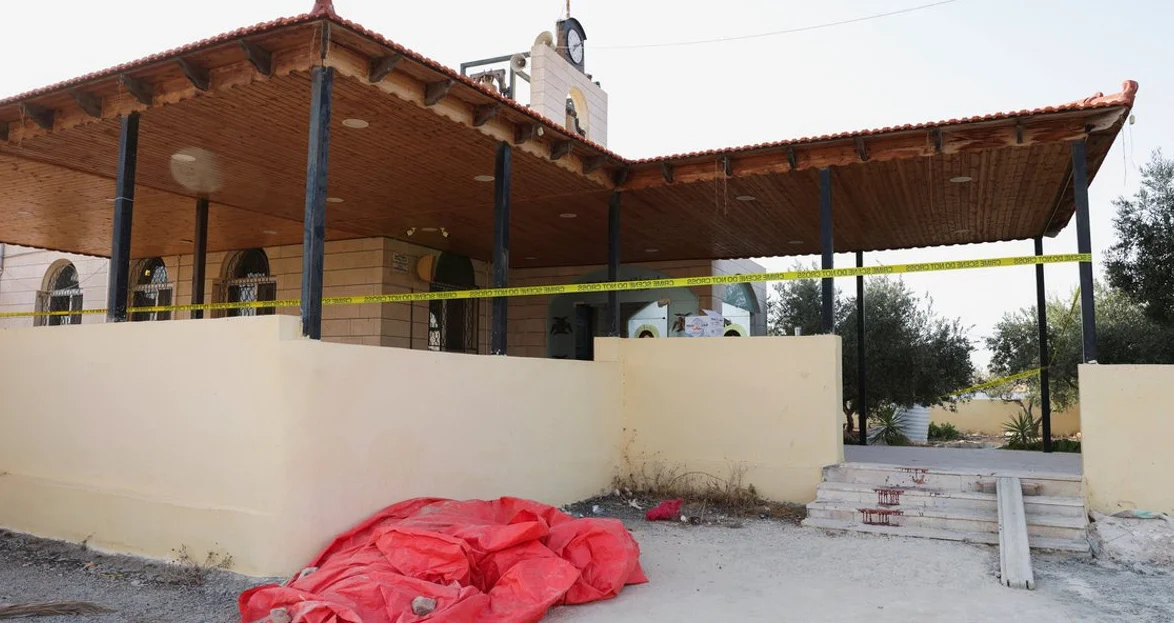
The Jordanian armed forces said the strikes were carried out after determining the suspects were connected to “terrorist groups” operating in the region. Syrian state media, however, reported that Damascus had launched an investigation into the Jordanian attacks and expressed “complete reservation” over the strikes, which were conducted without prior coordination. In response, Syria closed the Nassib border crossing with Jordan, the kingdom’s only passenger and commercial crossing with the country.
Casualty reports from the strikes differ. The Syrian Civil Defence reported seven people killed, including three children and a woman. The Syrian director of health in Daraa province told state media that at least five civilians, including women, children, and a 65-year-old man, had been killed. Jordan did not comment on the casualty figures.
Earlier on October 26, Jordanian security forces arrested two brothers and their brother-in-law following a shootout in Karak. The suspects were wounded but no security personnel were injured. Jordan’s Public Security Directorate said they were found hiding in an abandoned house and had attacked security forces when confronted. A large cache of firearms and ammunition was recovered.
Jordanian officials said the suspects acted alone. Obeidallah al-Maaytah, the director of public security, stated the suspects “only represent themselves” and were not affiliated with any organized group. Interior Minister Mazen al-Faraya added the attackers were motivated by a “terroristic, extremist way of thinking,” but said there were no indications of links to other cells.
King Abdullah II ordered security forces to respond with an “iron fist” against the attackers and anyone attempting to undermine national unity. “We vowed the terrorists would not escape punishment, and no proponent of dark ideologies that divide Jordanians will be tolerated,” the king said in a statement.
Relatives of the victims expressed relief at the arrests. Khaled al-Borqan, a survivor and relative of three victims, said the news had eased the grief of the Jordanian people. Fares Halaseh, an uncle of one of the victims, added the arrests brought some comfort, though the pain of the attack remained.



Comments
No comments yet
Be the first to share your thoughts