

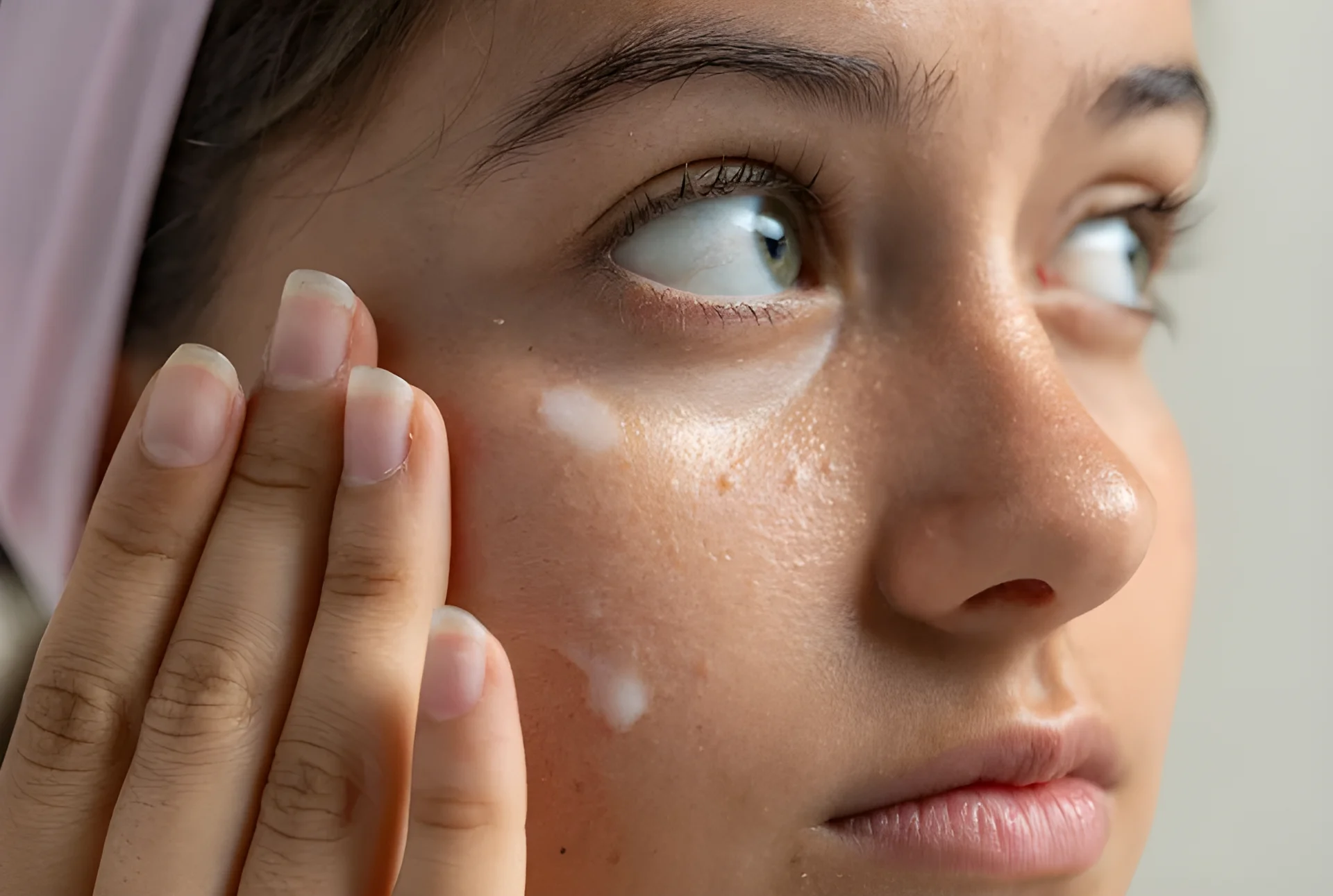
Milia, often called ‘milk spots,’ are tiny, firm, white cysts that form just beneath the skin’s surface. They are frequently found around the eyes and cheeks and resemble whiteheads but are fundamentally different in their cause and treatment. Unlike typical acne, which can be squeezed or treated with over-the-counter products, milia are made of trapped keratin, not oil, and do not respond to squeezing or drying lotions.
What Causes Milia?
According to dermatologist Dr. Nora Jaafar, milia are formed when dead skin cells become trapped beneath the surface of the skin, typically due to disrupted cell turnover. Common triggers include heavy eye creams, thick occlusive products, sun damage, and certain skin procedures. These factors can slow down the natural shedding of skin cells, leading to the formation of milia.
While milia can occur at any age, mature skin is more prone to them due to naturally slower cell turnover. However, anyone using excessive skincare products or rich overnight masks may also be at risk. The delicate eye area is particularly sensitive to heavy products, and the use of thick balms or excessive layering can lead to the development of milia.
Treatment and Prevention
Attempting to squeeze milia at home is not recommended, as it can lead to redness, broken capillaries, or post-inflammatory pigmentation. Dr. Jaafar emphasizes that true milia cannot be safely removed at home, especially around the eyes. Instead, persistent milia should be removed by a professional in a clinic setting. A practitioner uses a sterile needle or blade to create a tiny opening and gently extract the keratin plug, leaving minimal trace if done correctly.
For those looking to prevent milia, the focus should be on maintaining a balanced skincare routine. Retinoids can help regulate cell turnover and reduce the likelihood of new milia forming. Gentle exfoliating acids such as salicylic or glycolic acid can also support the shedding process. Dr. Jaafar recommends using these products a few times a week and incorporating a light toner into the routine for those particularly prone to milia.
However, over-exfoliating can damage the skin barrier, leading to sensitivity and further issues. It is crucial to find a balance in skincare practices to avoid overwhelming the skin.
Sun Protection and Skincare Adjustments
Daily sun protection is an essential part of preventing milia. UV damage can impair the skin’s natural shedding process, increasing the likelihood of trapped keratin. If someone is prone to milia, they should consider reassessing their use of eye creams. Thick, occlusive formulas may feel nourishing but can contribute to congestion in some individuals. Lighter, gel-based or serum-style formulas are often better tolerated.
Dr. Jaafar notes that the current trend of ‘slugging’—using ultra-rich night treatments—is not suitable for everyone. If recurring milia are a concern, simplifying the skincare routine to include a gentle cleanser, lightweight moisturizer, targeted treatment, and SPF can be beneficial. Actives should be introduced slowly, and the skin’s response should be monitored carefully.
Hydration remains important, but it does not have to mean using heavy products. Healthy skin is about doing what the skin actually needs rather than applying excessive treatments. By focusing on prevention and maintaining a balanced skincare routine, individuals can reduce the likelihood of developing milia and achieve healthier skin.






Comments
No comments yet
Be the first to share your thoughts