

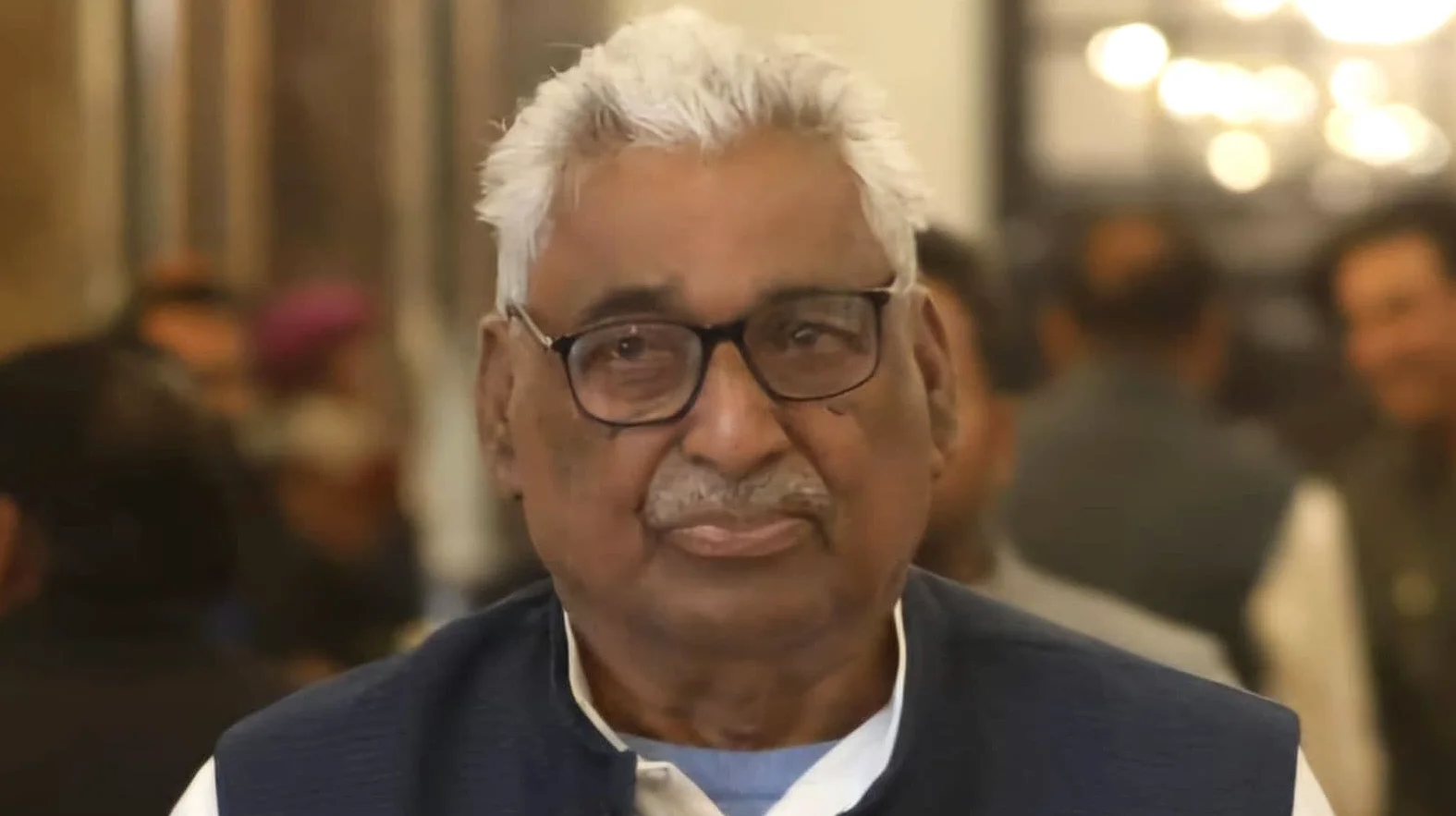
As MLAs from across party lines accused officials of not attending their calls and not showing them due respect during the budget session of the Uttar Pradesh Assembly, Speaker Satish Mahana intervened, directing the state government to take necessary action.
Centralization and Authoritarian Governance
Leader of the Opposition and senior Samajwadi Party (SP) leader Mata Prasad Pandey said the problem became more serious during the second term of the BJP government led by Yogi Adityanath. He described the power structure as highly centralised and authoritarian, almost a one-man administration.
“The problem is worse at the district, tehsil, block and thana level, where officials hardly respond to the MLAs’ calls,” Pandey stated. “People and public representatives first have to search for personal numbers, and even then there is no surety that their calls will be answered.”
Pandey emphasized that the issue is not just about picking up calls but the overall response of officials towards MLAs and even ministers. “After all, we are all approaching them for public works,” he said.
Administrative Non-Responsiveness
Pandey cited specific instances of administrative non-responsiveness, including cases in Siddharthnagar and Balrampur. In one recent case, two girls from Balrampur approached him regarding encroachment in their house. He called up the collector but received a call back after two days.
“Even the circle officers are difficult to reach. So how are public representatives supposed to act as a link between the government and public?” Pandey asked.
He highlighted that the rule of law should guide police functioning, but many times they are acting arbitrarily. People go to file complaints, but instead of registering cases, they are made to sit and wait. Even when MLAs call officers, the phones are not answered.
Interactions at the Local Level
Pandey explained that most interactions are at the district and block level regarding issues like development works, MLA fund utilisation, road construction, and local public grievances. However, most of the time, calls are not answered.
“Senior officers at the secretariat somehow became more responsive after directions in the past, but this is not the case at the district level,” he said. “Even the personal visits by MLAs are of no great help. The MLAs, and at times even ministers, are not given due respect as per the protocol during their visits.”
Pandey noted that the problem is not limited to Opposition MLAs. “MLAs from across party lines face this problem. When we raised the issue in the Assembly, members from all sides supported it,” he said.
He explained that when governance becomes centralised and one-man driven, officers feel accountable only to the top leadership. “Naturally, everyone will respond to the Chief Minister’s call, but others are ignored — be those from the ruling party or Opposition,” he added.
Pandey mentioned that following the latest direction from the Assembly Speaker, some improvement was noticed for a day or two, but even that did not last long. “When officials don’t listen, people start depending on middlemen to get their work done,” he said.
He compared the current situation with earlier times, stating that when he became an MLA for the first time in the 1980s, the state’s budget was merely Rs 30 lakh but financial approvals were processed quickly and MLAs could get their work done fast.
“There were no telephones then. We would meet officers personally and they would listen respectfully. The MLAs were given proper time and public work was completed without necessarily going through ministers,” Pandey said.
He noted that today, the budget has reached Rs 9 lakh crore but MLAs are facing greater trouble getting the work done on the ground. “There were instances, when people blamed MLAs for poor construction of local roads, but the fact was they were hardly consulted before executing the projects,” he added.
Pandey warned that many ministers have told him that the secretaries of their departments do not listen to them. “The public is getting the message that ‘vidhayika’ (legislature) has no meaning and that only ‘karyapalika (executive) matters. This is dangerous for a democracy,” he said.
With assembly polls due next year, Pandey said the solution is simple — strict directions have to come from the top that officers must listen to public representatives and citizens. “There have been orders in the past but implementation is to be ensured on the ground. But this has now become a tradition and there is a little hope that the government will be able to change it before the elections,” he concluded.



Comments
No comments yet
Be the first to share your thoughts