

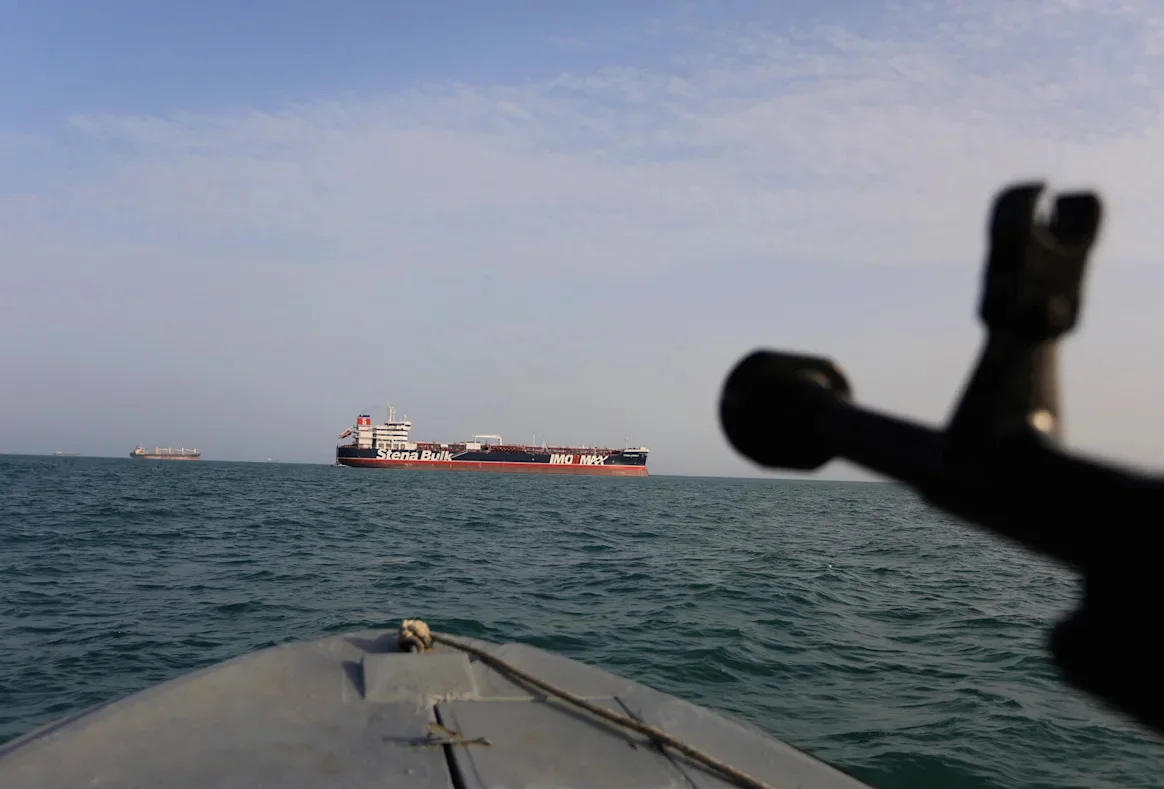
The Trump administration is weighing the option of providing military protection to oil and gas tankers traversing the Strait of Hormuz, according to two sources, in an effort to stabilize energy prices that have surged in recent days. The move comes after Iran warned it would attack ships at the strategic chokepoint, sparking a regional conflict that has already led to the deaths of six American service members and attacks on U.S. facilities in Saudi Arabia.
Energy Markets Under Pressure
U.S. oil prices have risen nearly $10 per barrel since the end of last week, as the conflict has continued to escalate. This surge in oil prices is beginning to impact gasoline prices, which are expected to rise higher than when President Donald Trump took office last year. The administration is also considering backing the insurance needed for tankers to continue operating in the strait, as marine insurance companies are raising rates or canceling coverage due to the increased risk.
A person familiar with the discussions said, ‘Military support for oil and gas supplies is becoming a growing concern. The energy markets could face pressures in the coming days as the military campaign intensifies and expands in geographic scope. Access to the Straits of Hormuz is obviously vital for both natural gas and crude oil shipments, especially from Qatar and Saudi.’
Maritime Operations and Past Precedents
A former defense official familiar with the talks said the Pentagon is having ongoing discussions about a maritime mission that would closely resemble previous Defense Department operations in the Red Sea. In those operations, the U.S. deployed carriers and destroyers to the region in an attempt to preserve freedom of navigation amid threats from an Iran-linked group.
The administration is also expected to reveal a plan on Tuesday to combat the rise in oil prices triggered by the U.S. military strikes against Iran. Secretary of State Marco Rubio stated, ‘We’re going to destroy their Navy,’ though he did not provide specifics on the plan.
Strategic Importance of the Strait
The Strait of Hormuz is a critical artery for global energy trade, with 20 percent of the world’s waterborne oil deliveries passing through it. The conflict has led to the shutdown of a major natural gas export plant in Qatar and attacks on Saudi Arabian fuel refineries, making oil and gas facilities a primary target for Iran. The U.S. military has sunk 11 Iranian ships since the start of the joint operation with Israel on Saturday, and the mission is likely to focus more on intercepting Tehran’s missiles that could target civilian shipping traffic than deterring maritime incursions.
U.S. stockpiles of air defense interceptors have already been run low from the campaign against Yemen’s Houthis and Israel’s 12-year war against Iran last year. This could further strain the military’s ability to respond to threats in the region.
The White House spokesperson said the President is meeting with his Energy and Treasury secretaries today and that they will have more to share after the meeting. The talks are the first sign that Trump is starting to take seriously the surge in oil, natural gas, and road fuel prices that began after the U.S.-Israeli attacks against Iran on Saturday.






Comments
No comments yet
Be the first to share your thoughts