

Contributing Factors to the Slowdown
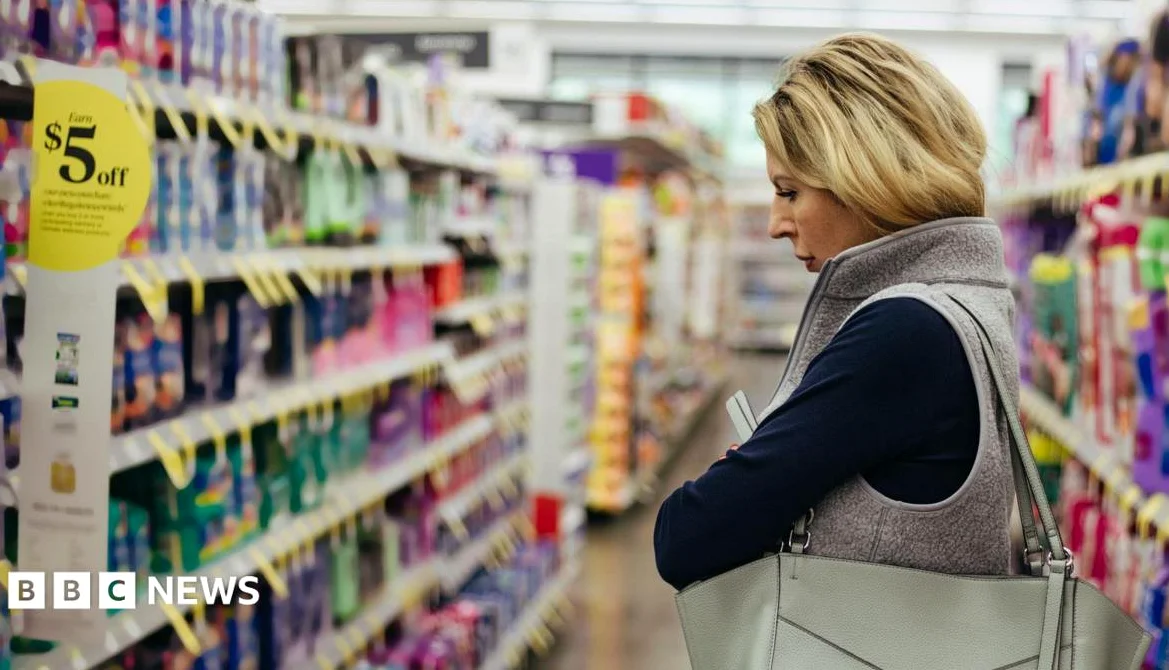
The second-quarter slowdown was attributed to reduced government spending, investment, and exports, which offset increased consumer spending. Consumer spending. Which makes up more than two-thirds of US economic activity, grew at a 3.2% rate in the second quarter, after slowing to 0.5% earlier this year.
Despite an inflation rate of 3.5% in the year to June, Americans continued to spend on motor vehicles,particularly light-duty trucks,furniture, and prescription drugs, according to surveys.
Michael Pearce. Chief US economist at Oxford Economics. Noted that the slowdown underplayed the strength of the US economy and predicted a return to growth above 2% later in the year, he also observed a revival in investment outside the AI sector, while acknowledging that surging AI-related investment remains the most significant economic driver.
Broader Economic and Policy Context
Pearce highlighted that the contribution of AI-related investment to growth was “modest” due to increased imports of microchips used in its development. Meanwhile, the Federal Reserve held interest rates for a fifth consecutive meeting, with new chairman Kevin Warsh cautioning that there was no “magic wand” to address inflation, which has exceeded the Fed’s 2% target for over five years.
Consumer spending remained resilient despite inflation, according to the Commerce Department — However, the broader economic environment is being shaped by trade tensions and the ongoing impact of tariffs, both within the US and across North America.
Regional and Global Implications
Canada, meanwhile, entered a technical recession in the first quarter of 2026, with weak business investment, soft government spending, and trade tensions contributing to the downturn. Avery Shenfeld. Managing director and chief economist at CIBC Capital Markets, noted that while consumer spending remained a key source of support, the broader economic outlook remained fragile.
Tariff uncertainty has weighed on exports and discouraged business investment, particularly in sectors affected by US trade policy, as Weak housing activity also continues to drag on growth through lower residential construction and reduced real estate activity.
Shenfeld emphasized that a technical recession does not necessarily mean an economic crisis, and that the Bank of Canada is expected to remain on hold, with weak economic conditions offsetting concerns about temporary energy-driven inflation.



Comments
No comments yet
Be the first to share your thoughts