

 The Guardian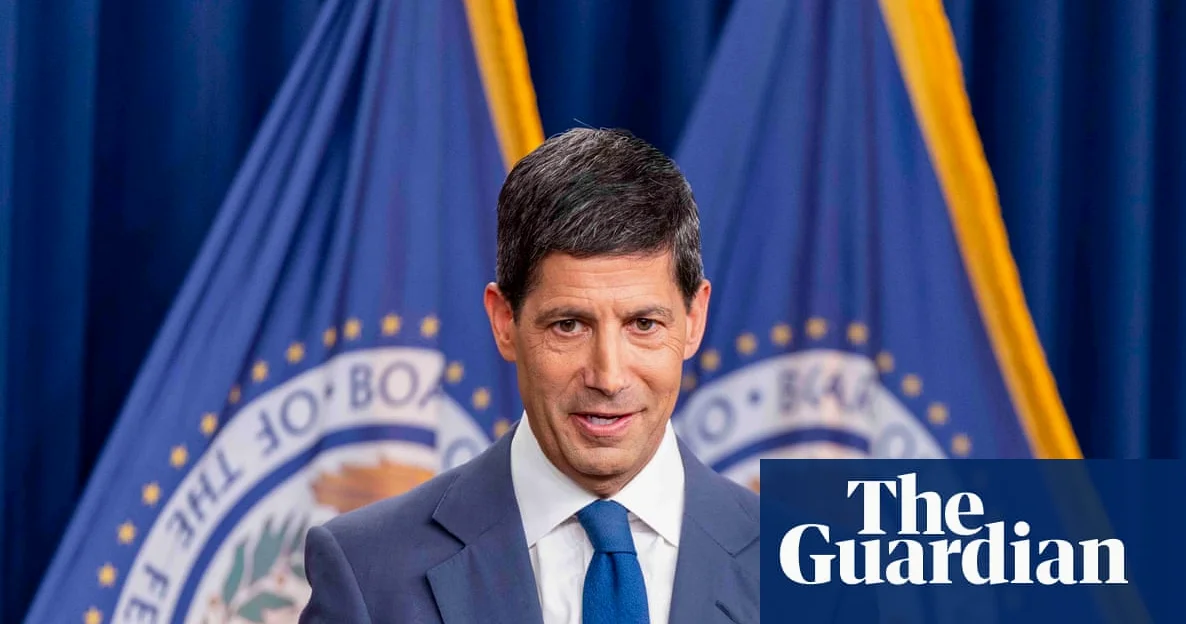
The US economy grew at a 1.5% annual rate from April through June, slowed by rising imports, according to data released on Thursday by the commerce department. This marked a slowdown from the 2.1% growth rate in the first quarter of 2026.
Slower Inflation, But Still Above Target
Despite the slower growth rate, the Federal Reserve’s preferred measure of inflation—personal consumption expenditures (PCE) price index,rose 3.7% in June compared to the same period in 2025. This was a decrease from the 4.1% year-over-year increase in May but still exceeded the Fed’s 2% target; Core PCE prices, which exclude volatile food and energy costs, rose 3.3%, unchanged from the 3.4% increase in May.
War in Middle East Affects Inflation and Energy Costs
The latest economic data provides a clearer picture of how the war in the Middle East has impacted the US economy, though Higher energy prices, driven by the conflict, initially pushed inflation upward. However, oil prices have since fallen from their wartime peak after the US and Iran announced a peace deal — When that deal collapsed and hostilities resumed, oil prices rose again, remaining significantly higher than prewar levels.
The war’s economic effects were initially captured in the first quarter GDP report, which showed the impact of just one month of conflict; Consumer spending began to slow as inflation increased. Kevin Warsh, the Federal Reserve chair, acknowledged that inflation has remained above target for years, creating pressure for the central bank to raise interest rates.
Political Frustration and Job Market Resilience
Though the Fed decided to leave its benchmark interest rate unchanged at its most recent meeting, three regional Fed presidents dissented, advocating for a rate increase to address inflation. This marked the first time in a decade that so many officials had dissented on the same policy vote.
A Harris Poll survey revealed that two-thirds of Americans, including 49% of Republicans, lack confidence that the federal government will address rising costs ahead of November’s midterm elections. These elections could determine whether Donald Trump’s Republicans retain control of Congress.
Despite these challenges, the US economy has shown resilience. The job market has rebounded this year from a weak 2025, with employers adding an average of 92,000 jobs per month, compared to fewer than 10,000 a month in 2025. This recovery has helped consumers continue spending, even amid higher prices.
Thursday’s GDP report is the first of three commerce department estimates of second-quarter economic growth, as the data highlights the complex interplay between global events, domestic policy, and consumer behavior in shaping the US economy.



Comments
No comments yet
Be the first to share your thoughts