

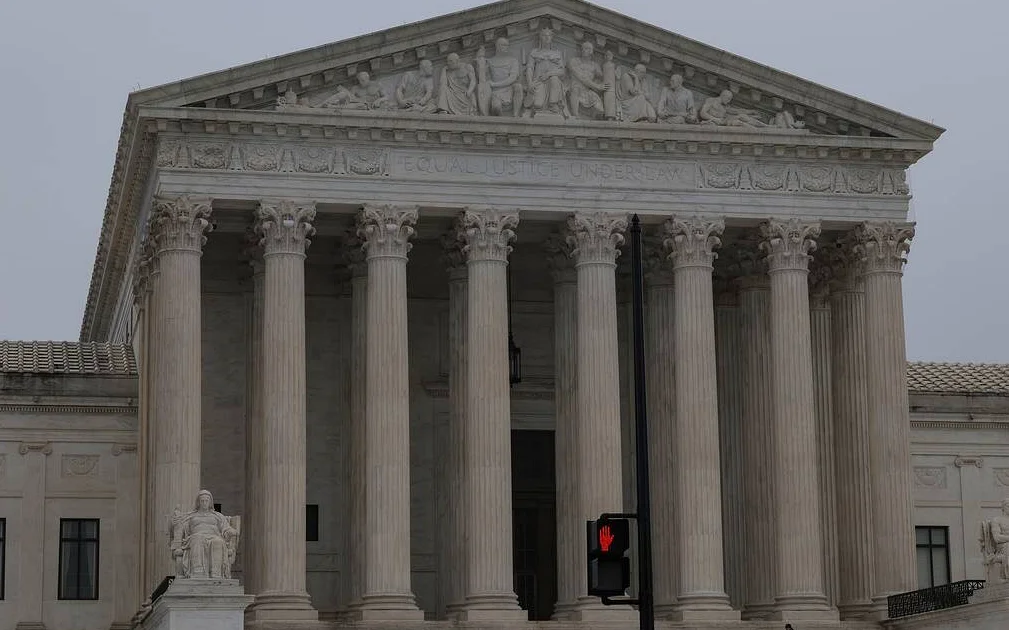
The White House disclosed that several broad U.S. tariffs, imposed under emergency pretexts, ended on February 7 after a Supreme Court decision invalidated them. Decrees authorizing those duties “shall no longer be in effect,” the statement said, and no further collections will occur.
Key terminations include April 2025 tariffs on goods from 185 countries and territories. Officials also scrapped duties on China, Mexico and Canada, justified as tools against illegal migration and drug smuggling. Separate tariffs hit countries purchasing oil or gas from Venezuela. An August 2025 executive order added a 25% tariff on India for buying Russian oil; that order is now void. Additional measures against nations supplying oil to Cuba or importing from Iran met the same fate.
The Supreme Court ruled Friday that President Donald Trump exceeded his authority under the International Emergency Economic Powers Act by using import duties this way. The decision came after the D.C. Court of Appeals on August 29, 2025, deemed many tariffs unauthorized. The administration appealed to the high court on September 4.
Trump announced April 2, 2025, tariffs on the 185 countries and later adjusted rates for some. The Supreme Court stopped short of ordering refunds for duties already paid.
Hours after the ruling, Trump signed an executive order for 10% tariffs on imports from all countries. That move appeared to sidestep the court’s limits on emergency powers.
The terminations mark a sharp reversal for U.S. trade policy. Importers from affected nations now face no new collections under the old orders. Businesses hit by the duties had challenged them in court, arguing the president overreached statutory bounds.
White House officials provided few details on implementation. Customs and Border Protection must adjust systems to halt collections, a process that could take days. The broader 10% tariff order, however, remains active and separate from the terminated measures.
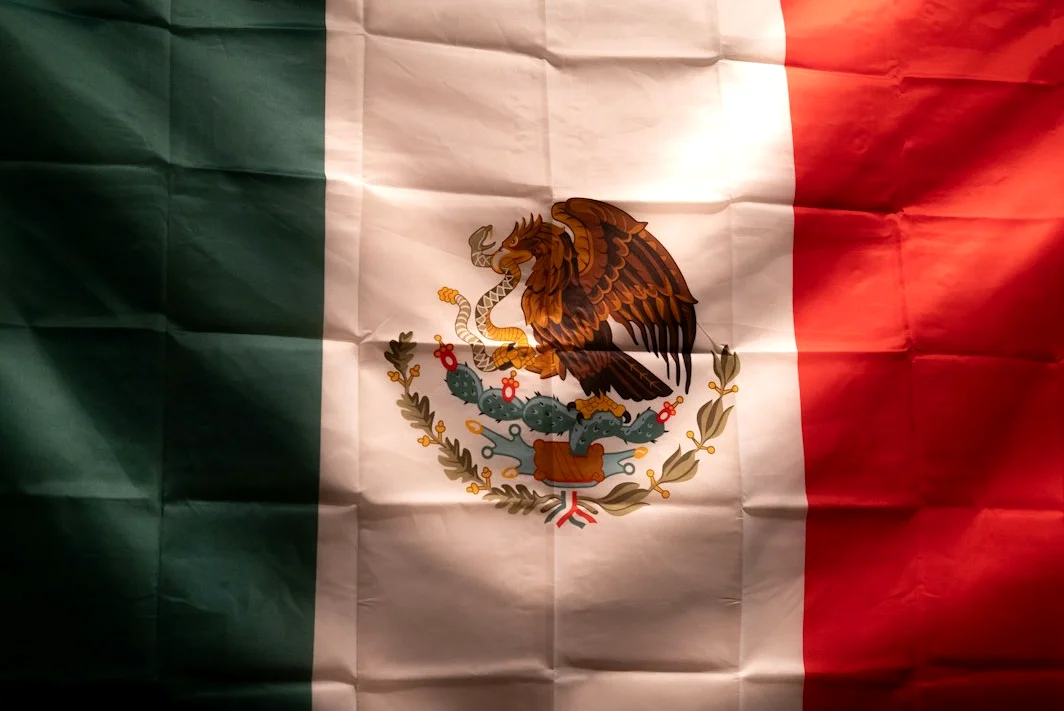
Reactions poured in quickly. Indian officials welcomed the India-specific relief, citing impacts on energy imports. Mexican leaders called it a victory against unilateral actions. No immediate comment came from Beijing or Ottawa.
The ruling highlights limits on presidential trade authority. Congress holds primary power over tariffs under the Constitution, though presidents have wielded emergency laws for decades. Legal experts predict more challenges to the new universal tariff.
For now, the White House statement closes a chapter on aggressive duties tied to foreign policy goals like curbing Russian oil sales or Venezuelan exports. Trade flows could normalize soon for the listed countries.



Comments
No comments yet
Be the first to share your thoughts