

GENEVA — US officials described this week’s nuclear negotiations with Iran as producing modest results, with significant gaps remaining on key issues. Iran has pledged to return with additional details within the next two weeks, the White House said.
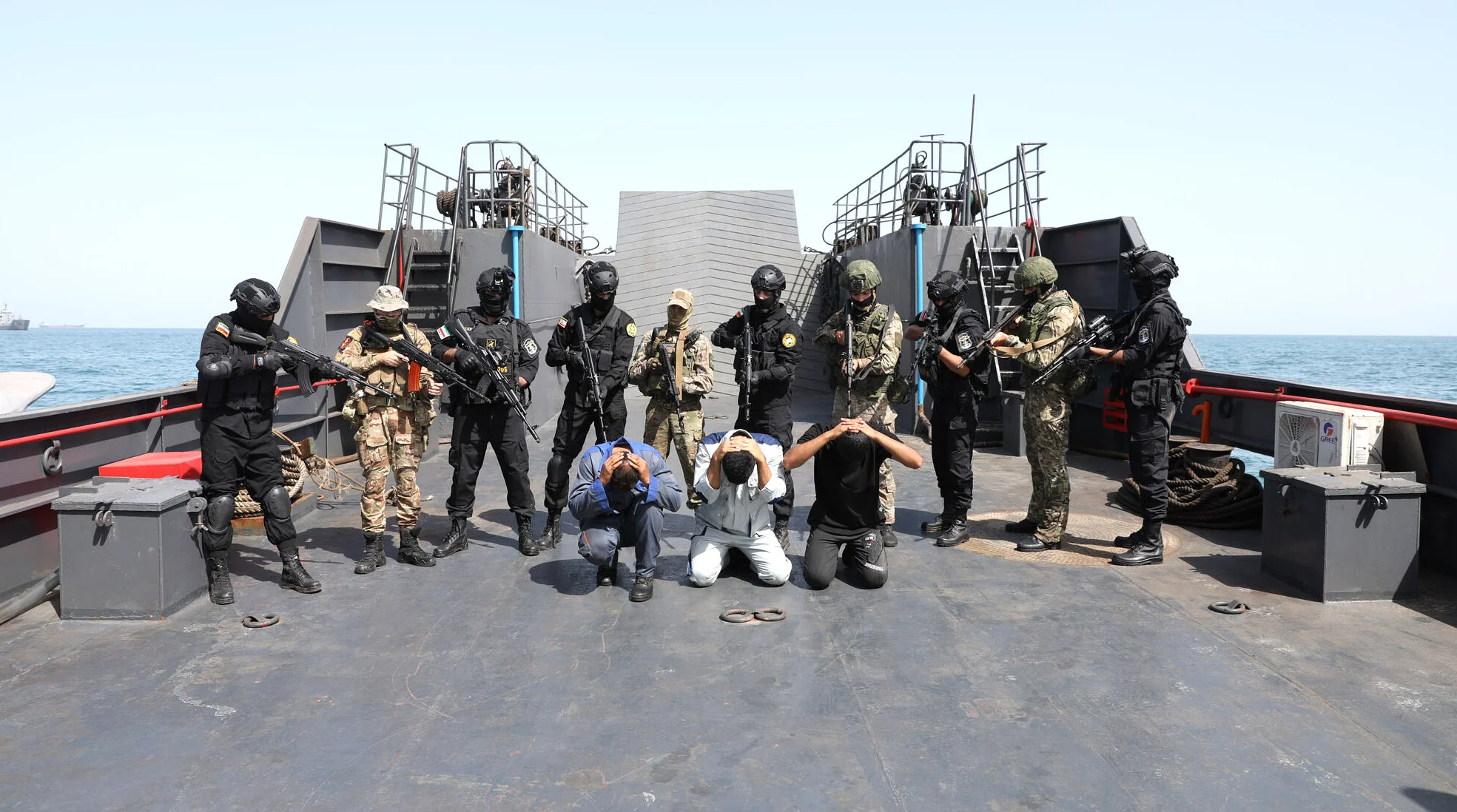
Those talks unfolded against a backdrop of escalating military tensions. Iran issued a notice to airmen on Thursday for planned rocket launches across southern areas, according to reports. The announcement highlights Tehran’s readiness to flex its capabilities even as diplomacy continues.
Washington has responded in kind. US warships now patrol near Iranian waters. Vice President JD Vance stated the administration is considering whether to continue talks or explore other paths.
Israel closely monitors the developments. A report cited by The Times of Israel detailed the unprecedented scale of US air assets deployed to the region — the largest since the 2003 Iraq invasion. Multiple aircraft carriers support squadrons of F-16s, F-22s and F-35s. That force gives President Donald Trump far more options than the bomber-focused strikes attempted last June.
Iran shows no signs of backing down. New satellite images reveal construction of a concrete shield over a key facility at a sensitive military site, topped with soil for camouflage. Experts called the work rapid progress at a location Israel reportedly struck in 2024, amid strains with the US.
Global players urge de-escalation. Russia, while holding joint naval drills with Iran in the Sea of Oman, called for restraint. Kremlin spokesman Dmitry Peskov pushed for political and diplomatic solutions. He warned of unprecedented tension levels that could spiral.
The mix of talks and troops leaves little margin for error. Markets track the standoff closely, with militaries on high alert. Israel faces heightened stakes as both superpowers position forces nearby. Past incidents — from miscommunications to limited strikes — have quickly widened into regional crises.
Diplomats now race against the hardware clock. Iran’s next response in two weeks could tip the balance toward progress or confrontation. US commanders, meanwhile, drill with their expanded arsenal, ready for any shift.
Regional analysts point to the 2003 buildup as precedent. Then, overwhelming air superiority paved the way for invasion. Today’s deployments signal similar resolve, though officials insist talks remain priority.
Tehran frames its rocket tests and site fortifications as defensive. Iranian officials have repeatedly tied nuclear restraint to the removal of US sanctions. Gaps persist on enrichment limits and inspection access, sources close to the talks said.
For Israel, the equation grows urgent. Prime Minister Benjamin Netanyahu’s government eyes Iran’s moves warily, especially after last year’s reported strikes. Jerusalem welcomes US muscle but presses for swift action if diplomacy falters.


Comments
No comments yet
Be the first to share your thoughts