

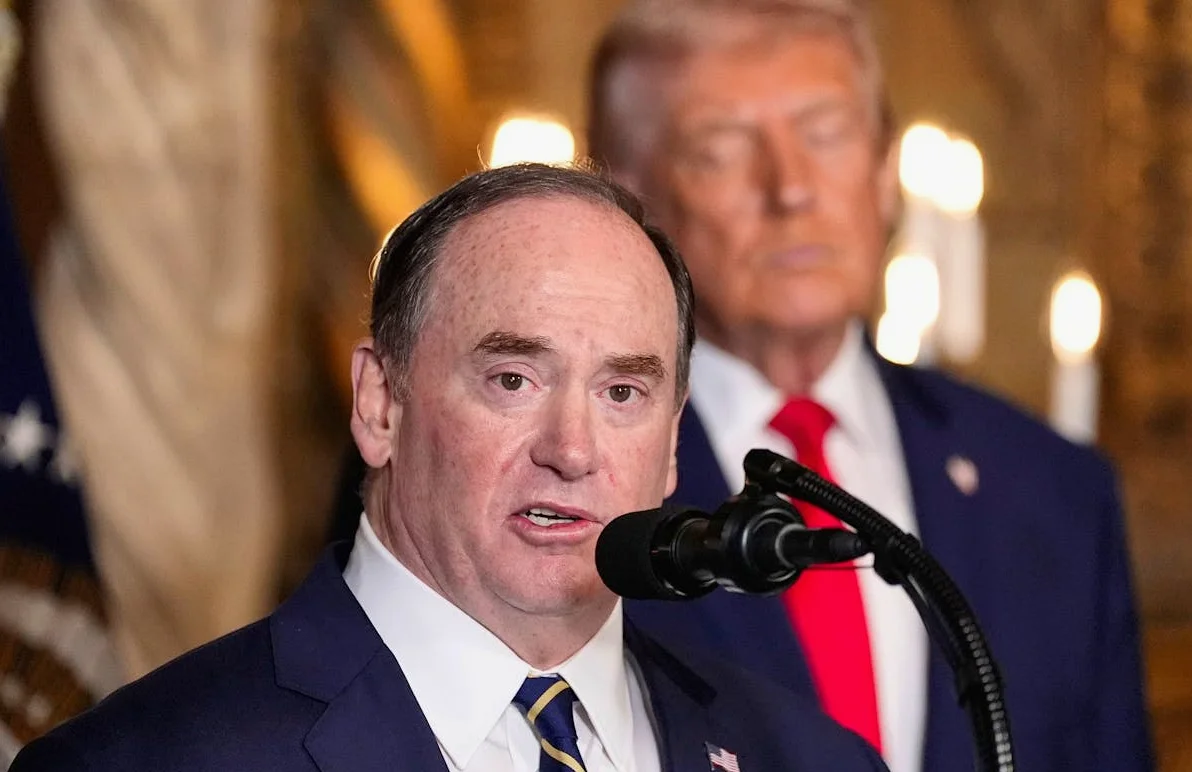
The US and Iran continue to clash over the terms of an extended ceasefire, with the US insisting on maintaining its naval blockade of Iranian ports and Iran conditioning negotiations on its removal. According to White House press secretary Karoline Leavitt, President Donald Trump is “satisfied” with the blockade and “understands Iran is in a very weak position.” Meanwhile, Iran’s lead negotiator, Mohammad Bagher Ghalibaf, stated that a full ceasefire only makes sense if the blockade is lifted.
Naval Blockade and Seizures in the Strait of Hormuz
Iran’s Major Guards seized two vessels in the Strait of Hormuz for alleged maritime violations and escorted them to Iranian shores, according to shipping companies and Iran’s Tasnim news agency. This marked the first time Iran has seized ships since the war began in late February.
Meanwhile, the US military has announced that the mine-clearing operation in the Strait of Hormuz will take six months, according to a Pentagon representative, but this delay complicates negotiations and continues to disrupt global shipping and oil trade through the critical waterway.
Trump’s Unset Deadlines and Iran’s Bluff Assessment
Trump has set multiple deadlines for Iran to agree to US terms or face renewed military action, but each time he has delayed or extended the ceasefire without setting a new date. Critics argue that this pattern has undermined US credibility and led to the perception that Trump is a “bluffer.”
According to White House statements. Trump has not set a deadline for Iran to submit a unified peace proposal; However, he has previously threatened to “renew bombing” if no agreement is reached. Iran has not accepted any ceasefire extension and remains skeptical of US intentions.
Trump’s repeated delays have been a point of contention among analysts and political observers. Some argue that his strategy of indefinite extensions and vague conditions has left Iran in a strong position to reject US terms without facing immediate consequences. Others warn that the lack of a clear timeline could prolong the conflict and increase regional instability.
Regional Reactions and Diplomatic Deadlock
Turkish president Recep Tayyip Erdoğan warned that the US-Israeli war against Iran is “starting to weaken Europe.” Lebanon is reportedly planning to ask for a month-long ceasefire extension with Israel at talks in Washington, indicating broader regional concerns about the conflict’s expansion.
Pakistan, which had previously hosted planned peace talks, saw the negotiations canceled by Iran; the Iranian delegation reportedly ruled out participation until the US lifts the naval blockade. The US delegation. Led by Vice President JD Vance, is expected to travel to Pakistan for new talks, though their success remains uncertain.
Oil prices have risen due to the ongoing tensions in the Strait of Hormuz, a critical global shipping route. Fuel prices in the US have reached their highest levels in years, a sensitive issue for Trump during an election year. Despite the economic pressures, the president has shown no signs of backing down from the blockade or the war policy.
The Pentagon announced that the US secretary of the navy, John Phelan, will leave his post “effective immediately,” though no reason was given for the sudden departure. This development occurred amid the ongoing naval operations and diplomatic standoff.
As the conflict continues to drag on, both sides remain entrenched in their positions. The lack of progress in negotiations and the persistence of the blockade suggest that further escalation, rather than resolution, may be on the horizon.





Comments
No comments yet
Be the first to share your thoughts