

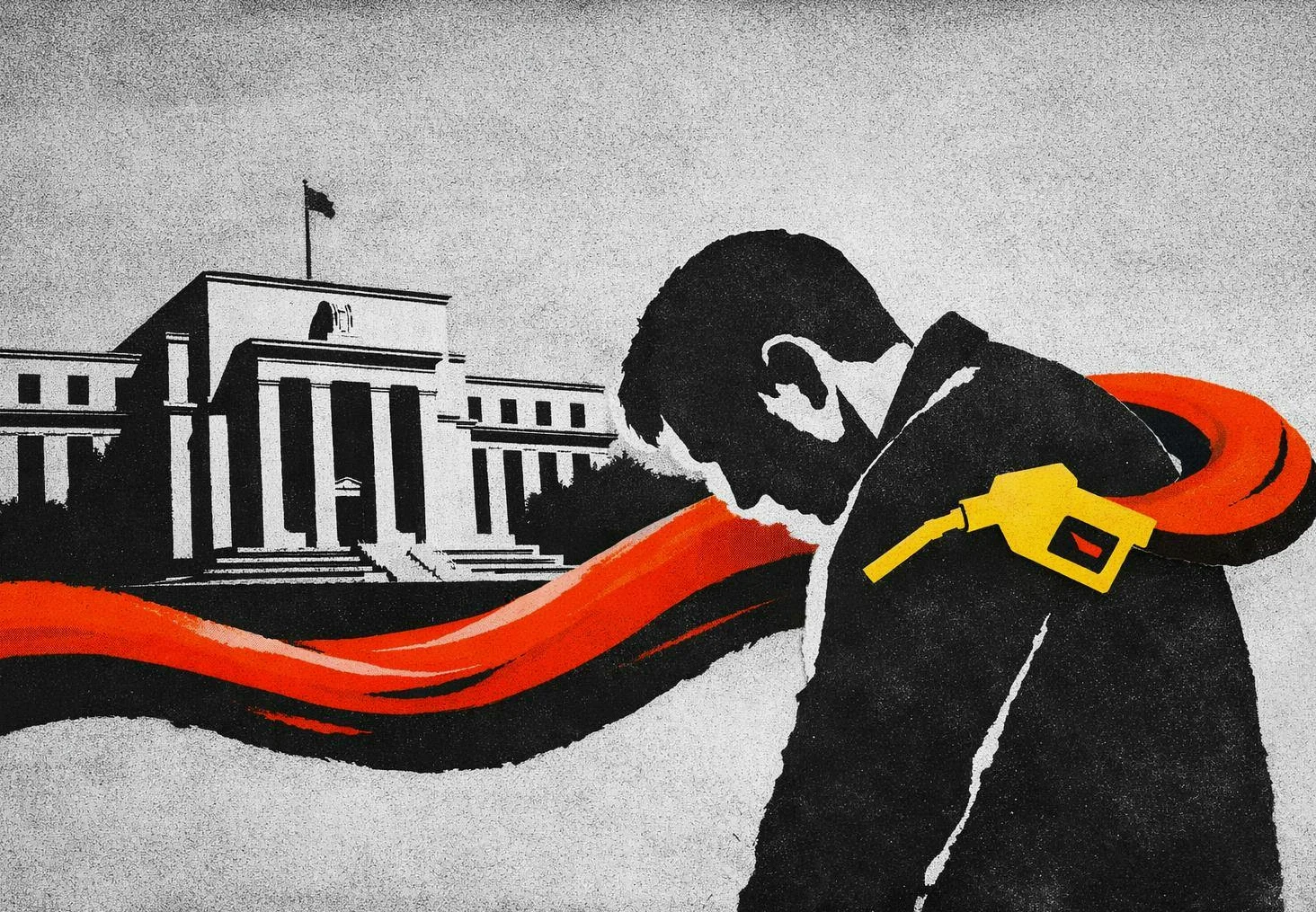
The February US jobs report has thrown the Federal Reserve into a tight spot, with nonfarm payrolls coming in at 92,000, well below the 250,000 economists had anticipated, while the unemployment rate increased to 4.4% from 3.7% in January. The data has reignited fears of stagflation, a scenario where economic stagnation collides with rising inflation, as oil prices climb in response to growing tensions in the Middle East.
Impact on Trade and Markets
The unexpected hiring slowdown has sent shockwaves through financial markets, with the S&P 500 slipping in early trading before recovering slightly. Treasury yields initially fell but later rebounded, reflecting the complex tug-of-war between concerns over weaker economic growth and the persistence of inflationary pressures. The US dollar showed minimal movement, signaling uncertainty among investors about the direction of monetary policy.
Analysts have noted that the drop in job creation contrasts sharply with the previous year, when employers were reluctant to let go of workers despite rising inflation. This sudden shift has raised questions about the sustainability of the labor market’s resilience and the broader economic outlook.
Oil prices have climbed in recent weeks, fueled by fears of potential conflicts in the Middle East. The rise in energy costs has added to inflationary pressures, complicating the Federal Reserve’s task of managing economic growth without exacerbating price increases. With oil prices surpassing $85 per barrel, the risk of higher consumer prices has intensified, especially for households already grappling with elevated living costs.
Fed’s Dilemma Intensifies
Central bank officials are now faced with a difficult decision: maintain higher interest rates to curb inflation or lower them to support economic growth. The recent jobs report has made this choice more complicated, as the data suggests that the labor market may be cooling faster than expected.
According to the Bureau of Labor Statistics, the February job gains were the lowest since December 2020, with the leisure and hospitality sector losing 28,000 jobs, while the professional and business services sector added 50,000. The manufacturing sector, a key indicator of economic health, saw 15,000 jobs added, slightly above expectations.
“This report is a clear signal that the labor market is slowing down, which could lead to weaker economic growth in the coming months,” said Sarah Johnson, an economist at Global Macro Insights. “The Fed will be under immense pressure to balance the need to control inflation with the risk of a slowdown in economic activity.”
The Federal Reserve’s next policy meeting is scheduled for March 20-21, where officials will assess the latest data and decide on the path forward. With inflation remaining stubbornly high and the economy showing signs of cooling, the central bank’s actions could have significant implications for both consumers and businesses.
What’s Next for the Economy
Economists are closely watching the upcoming data releases, including the March employment report and the personal consumption expenditures (PCE) index, which is the Fed’s preferred inflation gauge. If the PCE data shows a continued decline in inflation, the central bank may consider a pause in rate hikes or even a rate cut. However, if inflation remains elevated, the Fed may be forced to maintain higher rates, which could further slow economic growth.
Meanwhile, the impact on ordinary Americans is already being felt. With rising energy prices and a cooling labor market, many households are facing the dual challenge of higher costs and reduced income growth. The situation has prompted calls for more targeted fiscal policies to support vulnerable segments of the population.
“The combination of rising oil prices and a slowdown in job growth is a concerning development,” said Michael Chen, a financial analyst at MarketWatch. “This could lead to a period of economic uncertainty, where the Fed is forced to walk a tightrope between supporting growth and containing inflation.”
As the economic landscape continues to evolve, the Federal Reserve’s response to the latest data will be closely scrutinized. The path forward will determine whether the US can avoid a prolonged period of stagflation or handle through the current challenges with a more balanced approach to monetary policy.





Comments
No comments yet
Be the first to share your thoughts