

 The Guardian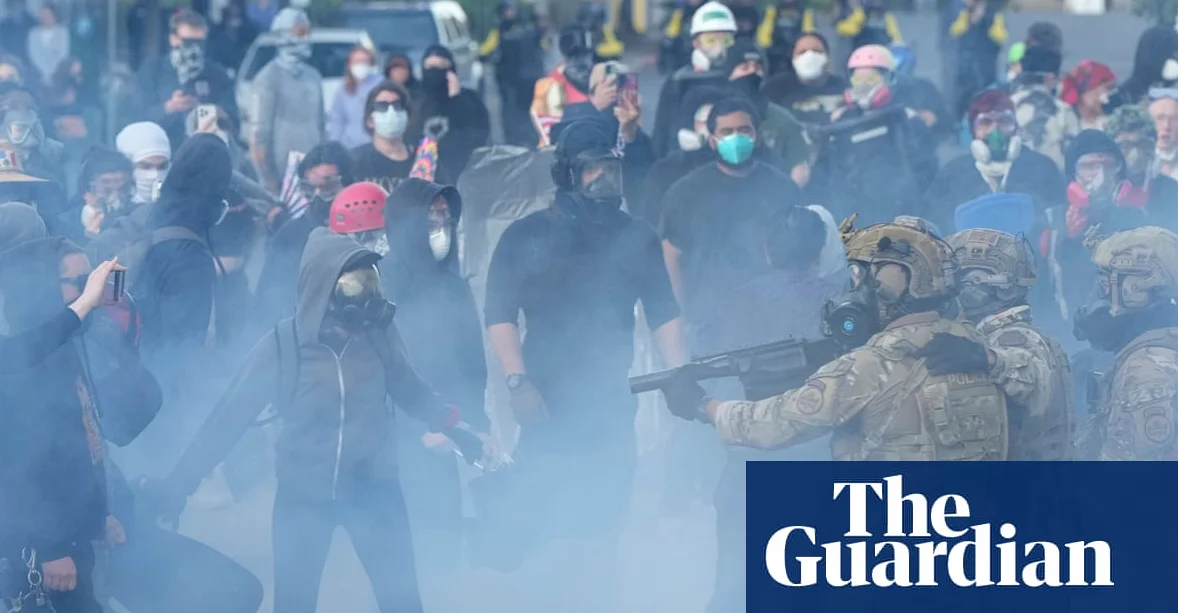
A federal judge in Oregon on Monday issued a preliminary injunction that limits federal officers from using teargas and other chemical or projectile munitions during protests at the U.S. Immigration and Customs Enforcement (ICE) building in Portland. The ruling comes in response to a lawsuit filed by the American Civil Liberties Union of Oregon on behalf of protesters, freelance journalists, and a demonstrator known for wearing a chicken costume.
Legal Battle Over Protester Rights
The lawsuit, which names the Department of Homeland Security (DHS) as a defendant, argues that federal officers’ use of chemical munitions such as pepper spray and teargas is a form of retaliation against protesters, violating their First Amendment rights. The plaintiffs, including an 80-year-old married couple and two freelance journalists, testified in a three-day hearing about being sprayed with OC Spray — a form of pepper spray — and exposed to teargas, despite engaging in nonviolent protest.
According to the ruling by U.S. District Judge Michael Simon, the plaintiffs presented evidence including video footage showing DHS officers spraying OC Spray directly into the faces of peaceful protesters. Simon wrote that the actions of federal agents, which included physically harming demonstrators and journalists without prior dispersal warnings, are objectively chilling to First Amendment freedoms.
Simon’s decision follows a previous temporary restraining order he issued, which similarly restricted the use of chemical munitions during protests at the ICE facility. The preliminary injunction marks the second such ruling in recent days, following a similar order from another federal judge overseeing a separate case involving residents of an adjacent affordable housing complex.
Restrictions on Crowd-Control Tactics
In his Monday order, Simon specified that federal agents may only use chemical or projectile munitions — such as pepper balls and teargas — if an individual poses an imminent threat of physical harm. He also prohibited officers from firing munitions at the head, neck, or torso unless legally justified in using deadly force.
Additionally, officers are barred from using pepper spray in a manner that could indiscriminately affect bystanders. The ruling states that pepper spray can only be used against individuals engaging in violent unlawful conduct or actively resisting arrest, or in a defensive capacity as reasonably necessary. Simon clarified that acts such as trespassing, refusing to move, or refusing to obey an order to disperse are considered passive, not active, resistance.
The judge also granted provisional class certification, extending the preliminary injunction to all individuals who have peacefully protested or reported on demonstrations at the ICE facility in recent months. The order will remain in effect while the lawsuit proceeds through the legal system.
Broader Implications for Protest Rights
The ruling is part of a growing concern over the use of aggressive crowd-control tactics by federal officers during protests against immigration enforcement policies. Demonstrators across the country have protested against the immigration enforcement surge initiated under the Trump administration, which included increased deportations and the use of force to disperse crowds.
According to the American Civil Liberties Union of Oregon, the use of chemical munitions against nonviolent protesters poses a serious threat to constitutional rights. The group has argued that the tactics used by federal agents are disproportionate and designed to intimidate rather than protect.
DHS has not yet commented on the ruling, but in previous statements, it has maintained that federal officers follow their training and use the minimum amount of force necessary. The agency has also emphasized its commitment to ensuring public safety during protests.
Simon’s decision is expected to have a significant impact on how federal agents conduct themselves during protests at the Portland ICE facility. The ruling sets a legal precedent that could influence similar cases across the country, particularly where the use of force by law enforcement is under scrutiny.
The preliminary injunction is a temporary measure, but it reflects a growing judicial awareness of the need to protect the rights of peaceful protesters. The case is likely to be closely watched by civil rights advocates, legal experts, and the public, as it could shape the future of protest-related legal battles.
As the lawsuit continues, the court will review additional evidence and determine whether the preliminary injunction should be made permanent. The outcome could have far-reaching implications for the balance between law enforcement authority and the constitutional rights of demonstrators.




Comments
No comments yet
Be the first to share your thoughts