

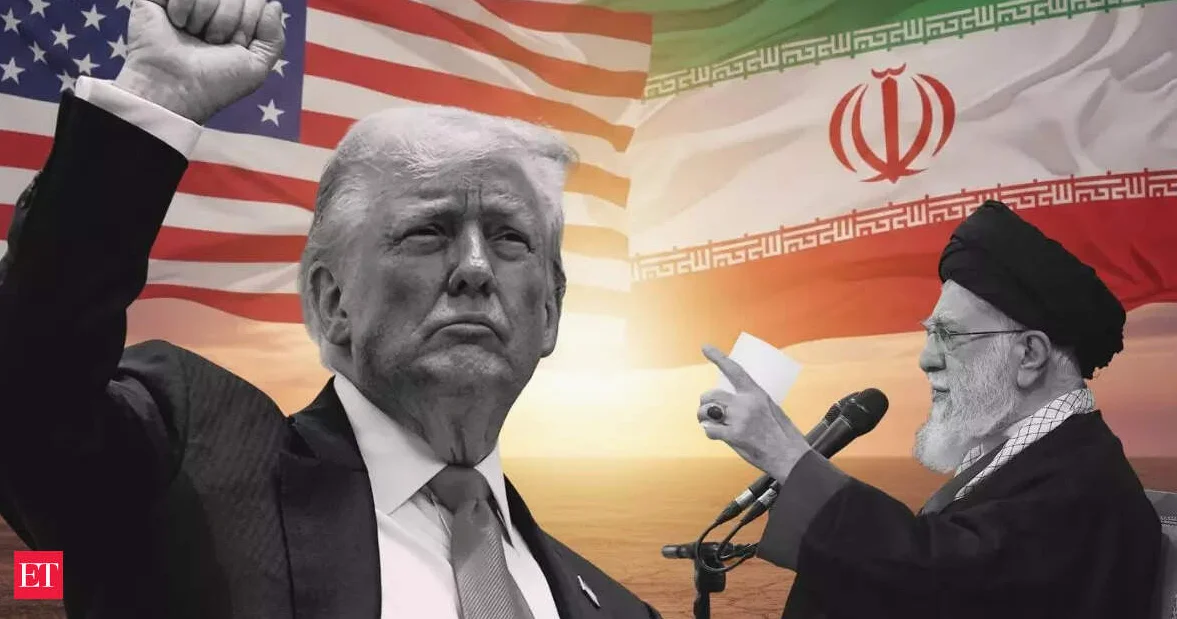
The United States launched a large-scale military operation against Iran, dubbed Operation Epic Fury, on February 27. The strike came after President Donald Trump issued a ten-day ultimatum to Iran, demanding it finalize the nuclear deal and warning of ‘bad things’ if it failed to comply. The attacks targeted Iranian military facilities, including areas near Supreme Leader Ayatollah Ali Khamenei’s office, and were conducted in coordination with Israeli forces after months of planning.
Escalation and Regional Response
In response to the US and Israeli strikes, Iran launched missile and drone attacks on US bases and allied states across the Gulf. The Islamic Major Guard Corps (IRGC) reportedly targeted locations in Qatar, Kuwait, the United Arab Emirates (UAE), and Bahrain. The attacks prompted air raid alerts across the region, with countries like Qatar and Kuwait condemning the strikes as an assault on their sovereignty.
The UAE confirmed that several Iranian ballistic missiles were intercepted, causing debris that damaged parts of Abu Dhabi and killed one person. The country assured that security remained under control. Meanwhile, Qatar urged its citizens to shelter in place, while Kuwait described the attacks as ‘heinous’ and vowed to respond in proportion.
Strategic Objectives and International Reactions
According to the Pentagon, Operation Epic Fury was a ‘major combat operation’ aimed at dismantling Iran’s missile inventory, missile industry, and naval capabilities. President Trump stated the goal was to ‘defend American people and allies’ by removing ‘imminent threats’ posed by Iran’s military actions. However, Iran denied pursuing nuclear weapons and has vowed to retaliate against the attacks.
The operation has raised concerns about the potential for a wider regional conflict. Israel, Gulf states, and other nations have activated emergency protocols, with hospitals moving patients underground and airlines suspending flights over the Middle East. Iran also shut down its airspace and mobile networks, with sirens sounding in Israel, Bahrain, and Abu Dhabi as residents were instructed to seek shelter.
Experts warn that while World War 3 has not yet materialized, the involvement of multiple nations and the rising tensions could draw in more global powers if the conflict escalates further. Analysts are closely monitoring the situation, with many calling for renewed diplomatic efforts to prevent a larger war.
What’s Next in the Conflict
With no clear end to the hostilities, the international community is watching closely. Iran-aligned groups in Iraq, including Kataib Hezbollah, have announced plans to attack US bases, adding to the already volatile situation. The US and its allies continue to assess the military response, while Iran is expected to escalate its retaliation.
The events have also raised questions about the stability of the region and the potential impact on global security. With no official ceasefire or resolution in sight, the situation remains highly uncertain. The US has urged its citizens to remain cautious in the Gulf, with embassies advising shelter in place in multiple countries.
As the conflict unfolds, the international community is left to grapple with the possibility of a broader war, with analysts cautioning that the current escalation could lead to unintended consequences if not carefully managed.






Comments
No comments yet
Be the first to share your thoughts