

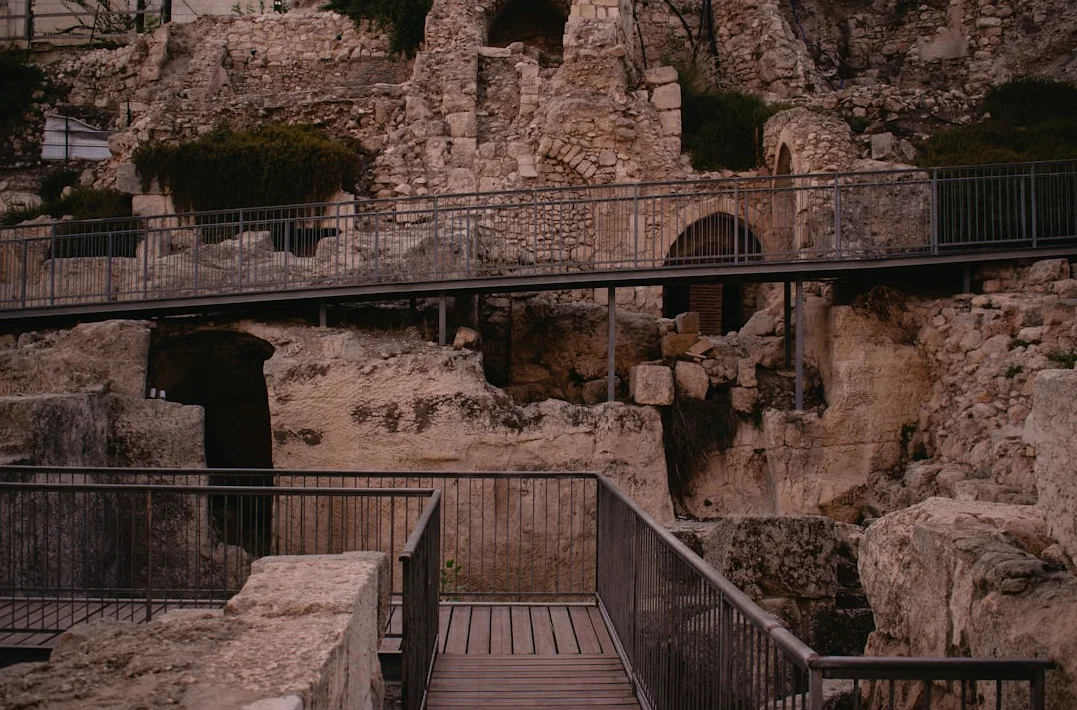
The United States has raised concerns over Israel’s restrictions on access to Jerusalem’s holy sites during Holy Week, with officials warning of potential consequences, according to reports from Middle East Monitor and Al Jazeera. The closures have sparked international attention, with the U.S. and other nations closely monitoring the situation as tensions in the region continue to rise.
Restrictions on Access to Holy Sites
According to Middle East Monitor. Israeli authorities have imposed restrictions on access to Jerusalem’s holy sites, a move that has drawn criticism from U.S. officials and international observers. The restrictions reportedly include limited access to the Western Wall and other sites of religious significance to Jews, Christians, and Muslims, but Israeli officials have not provided a detailed explanation for the closures, though some analysts suggest they may be linked to security concerns or political tensions.
Al Jazeera reports that the closures have raised concerns among international bodies and religious groups, who argue that such measures could exacerbate tensions in the region. The U.S. has expressed its concerns to Israeli authorities, emphasizing the importance of maintaining access to these sites for worshippers of all faiths. ‘The U.S. has raised concerns with Israel over restrictions at Jerusalem holy sites during Holy Week,’ stated a report from Middle East Monitor.
Local residents and religious leaders have also voiced their concerns. A Palestinian official told Al Jazeera that the restrictions are part of a broader pattern of actions aimed at limiting access to religious sites in Jerusalem. ‘This is not just about the holy sites; it’s about the right of every person to worship freely,’ the official said.
International Reactions and Diplomatic Concerns
Multiple international sources have highlighted the diplomatic implications of the closures. The U.S. has not only raised concerns but has also been seen as a key player in urging Israel to reconsider its approach to access to the holy sites. According to Middle East Monitor. A U.S. congressman. Rashida Tlaib, has been vocal in criticizing Israel’s proposed death penalty bill, which she described as ‘the next step in the genocide.’ However, this issue is separate from the current controversy over the restrictions in Jerusalem.
Al Jazeera reports that European countries including France, Germany, Italy, and the United Kingdom have also condemned Israel’s proposed death penalty law targeting Palestinians, further complicating the diplomatic landscape. While these nations have not specifically addressed the Jerusalem closures, their broader criticism of Israeli policies indicates a growing international unease with the country’s legal and security measures.
According to a report from Middle East Monitor, the U.S. has deployed hundreds of special operations personnel, including Army Rangers and Navy SEALs, to the Middle East amid rising tensions. This military presence may be seen as a signal of the U.S.’s continued involvement in the region, particularly in light of the recent closures in Jerusalem.
Local Impact and Religious Reactions
The closures have had a direct impact on religious communities in Jerusalem. According to Al Jazeera, local Muslim and Christian leaders have expressed alarm over the restrictions, which they believe undermine the city’s status as a shared holy site. A Christian priest in Jerusalem said, ‘We are worried about the implications of these closures. This is a time of deep spiritual significance, and the restrictions are deeply troubling.’
Israeli officials have defended the closures, stating that they are necessary for security reasons. However, some critics argue that the closures are more about political control than genuine security concerns. A Jerusalem-based activist told Al Jazeera, ‘These closures are not about safety. They are about limiting access to holy sites and asserting control over the city.’
According to Middle East Monitor, the Jerusalem Governorate has warned of settler plans for animal sacrifices at Al-Aqsa Mosque, a move that has further inflamed tensions. This report highlights the complex interplay between religious practices, political agendas, and security concerns in the region.
Broader Context and Regional Tensions
The closures in Jerusalem must be understood in the broader context of regional tensions. According to Al Jazeera, Hezbollah has claimed 43 attacks on Israeli forces in the last 24 hours, indicating the ongoing conflict in the region. These attacks, combined with the closures in Jerusalem, suggest a volatile environment where diplomatic and military actions are closely intertwined.
Meanwhile, the U.S. has also raised concerns over Iran’s actions in the Persian Gulf, with Senator Marco Rubio warning of ‘severe consequences’ if Iran continues to block the Hormuz Strait. While this issue is separate from the Jerusalem closures, it reveals the U.S.’s broader strategic concerns in the Middle East.
According to Middle East Monitor, Israel’s chief of staff, Eyal Zamir, has warned of a potential ‘collapse’ of the Israeli army, a statement that has sparked political controversy. This warning highlights the internal challenges facing Israel, which may be further complicated by the closures in Jerusalem and the broader regional tensions.
What’s Next and Why It Matters
The situation in Jerusalem is likely to remain a focal point for international diplomacy. The U.S. has made it clear that it will continue to monitor the situation closely and may take further action if the restrictions are not reversed. According to Al Jazeera, religious leaders and international observers are calling for immediate access to be restored, emphasizing the importance of maintaining the city’s status as a shared holy site.
The closures could have significant implications for the region, potentially exacerbating tensions between Israel and its neighbors. The U.S. and other international actors may need to intervene to de-escalate the situation and ensure that religious freedoms are protected. As the situation unfolds, the world will be watching closely to see how Israel and its allies respond.
Why it matters: The closures in Jerusalem are not just a local issue but a potential flashpoint for broader regional and international tensions. They highlight the complex interplay between religious rights, security concerns, and political agendas in the Middle East. The U.S.’s involvement shows the global significance of the issue and the need for a diplomatic resolution to prevent further escalation.






Comments
No comments yet
Be the first to share your thoughts