

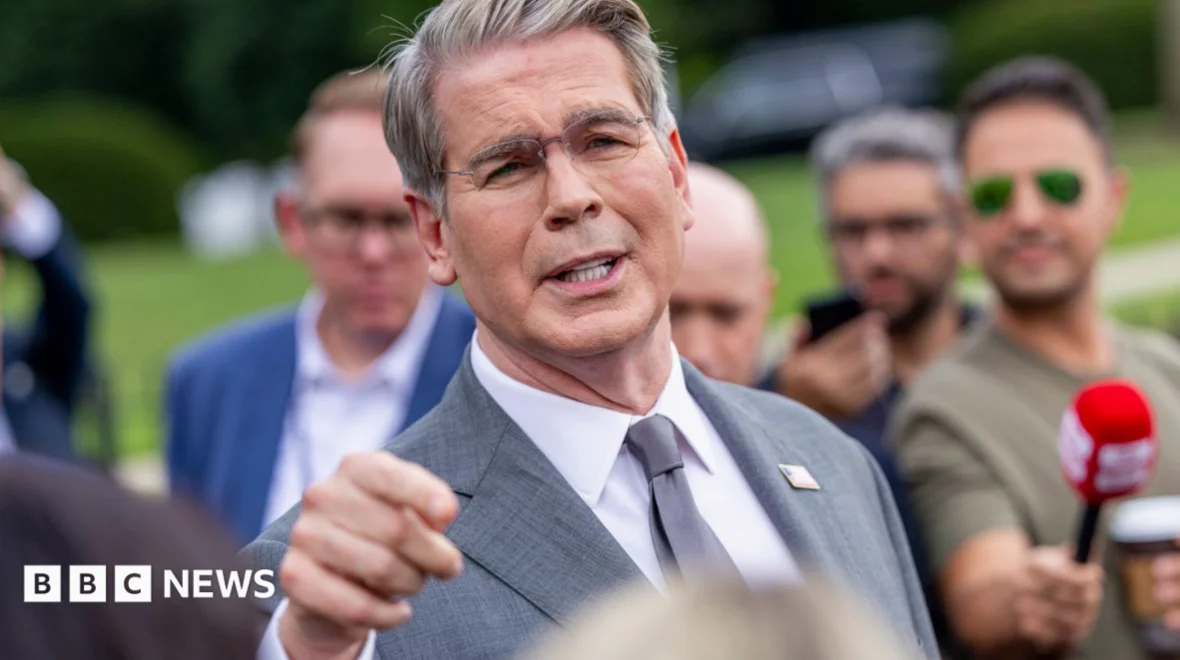
Treasury Secretary Scott Bessent said on Thursday that the U.S. plans to crush Iran’s economy through sanctions, likely making large-scale military operations unnecessary. ‘If we are doing the maximum economic pressure, then that means that likely there will not be a large-scale kinetic restart,’ Bessent told CNBC. This approach follows President Donald Trump’s declaration on Truth Social that the U.S. will levy major penalties against countries providing ‘any type of lifeline’ to Iran.
Economic Pressure as a Strategic Tool
Bessent emphasized that the U.S. will isolate Iran economically, calling it the ‘greatest coordinated economic isolation in the history of the world.’ He stated that the U.S. would tell its allies, ‘You are either with us or against us.’ If countries continue to do business with Iran, including transferring money, buying oil, or facilitating seaborne ship transfers, the U.S. Treasury will ‘put its full might and force toward enforcing against you,’ according to Bessent.
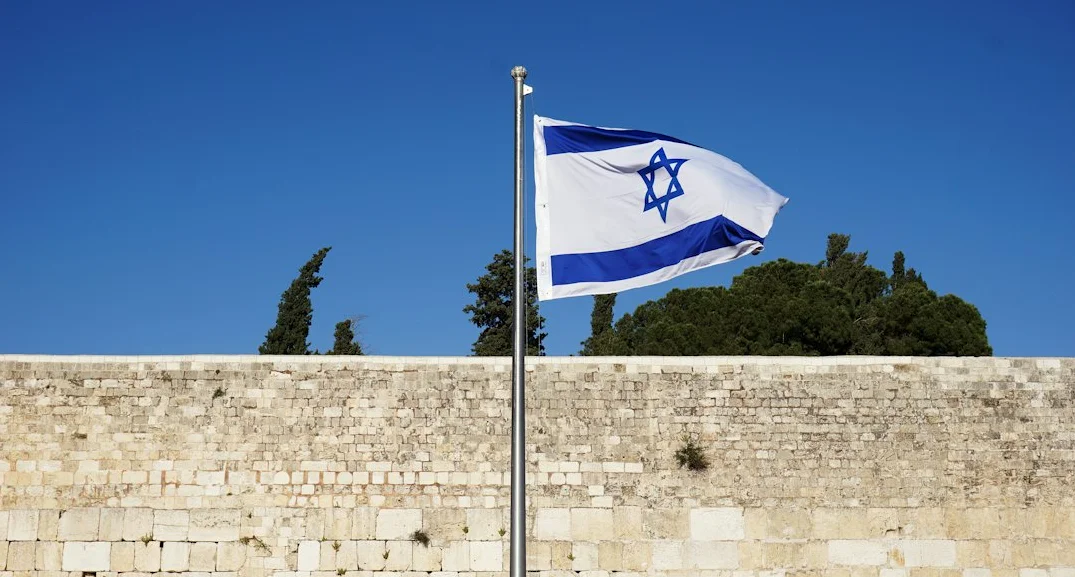
These measures aim to minimize the need for a ‘large-scale kinetic restart’ of the conflict with Iran, Bessent said. The U.S. and Israel began a war with Iran in February, claiming the strikes were to prevent Iran from developing nuclear weapons, which Tehran has consistently denied. Since then, Iran has attacked U.S. bases, Israel, and Gulf Arab allies of the U.S., and largely closed the Strait of Hormuz, a critical waterway for 20% of the world’s oil and liquefied natural gas transit. This has caused significant price fluctuations in global markets.
Historical Context and Ceasefires
The U.S. and Iran agreed to a ceasefire in April and another in June, both aimed at facilitating negotiations to end the conflict. However, the truce has been repeatedly broken, and talks appear to have stalled. Instead of returning to war, Trump is preparing to enforce what he called ‘the most crushing economic operation ever taken against any country.’
Trump described the plan as an ‘ECONOMIC D-DAY,’ urging allies to support the U.S. in isolating and defeating the Iran threat. He warned that countries providing economic support to Iran would face ‘tremendous economic consequences.’
Global Reactions and Economic Impact
Oil prices rose following Bessent’s interview with CNBC, reflecting concerns over the potential global economic impact of the U.S. strategy. Bessent indicated he would hold a news conference on Monday to detail the plan further. The U.S. strategy includes pressuring allies to choose between cooperation with the U.S. or continued business with Iran.
The U.S. and Iran war has now entered its sixth month without a clear resolution, and Trump has not indicated any progress toward a diplomatic or military victory. Bessent’s statements signal a shift toward economic warfare as the primary means of addressing the conflict with Iran.




Comments
No comments yet
Be the first to share your thoughts