

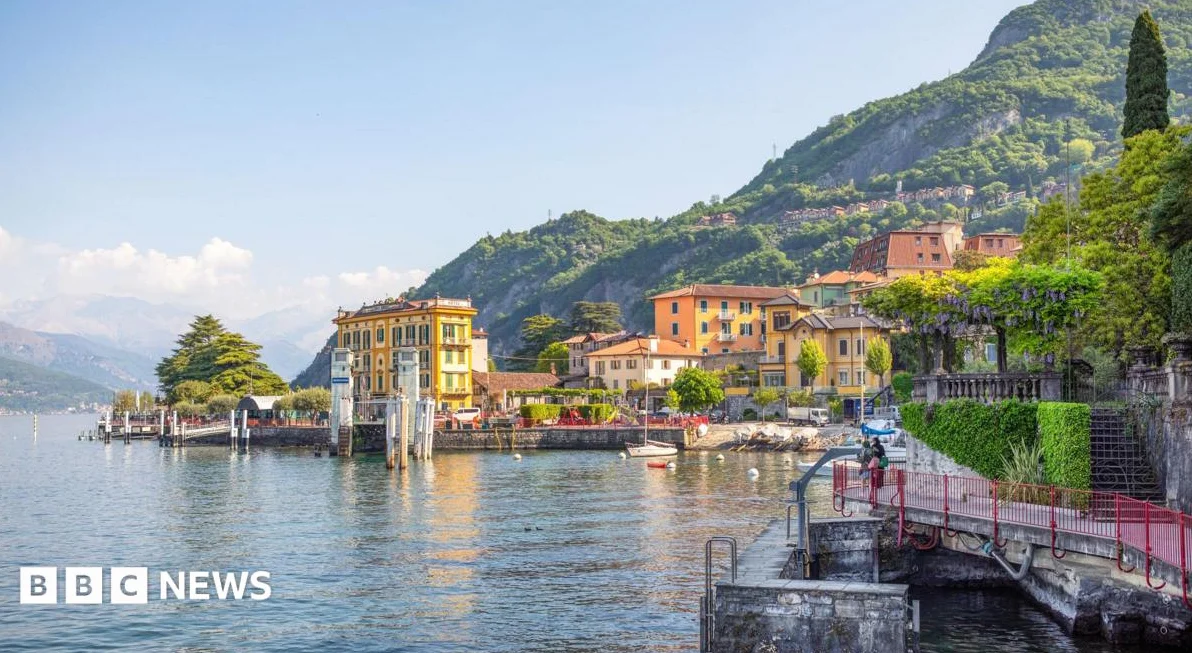
Alessandro Rapinese, the mayor of Como, has banned all bikes from the city centre following a collision with an electric bike, according to The Guardian and BBC. Rapinese said the decision was made for public safety after being struck by one of the “beasts,” as he described the vehicles, in June while leaving city hall. The incident occurred just after his executive team had met to discuss traffic restrictions in the area.
Controversy over Personal Experience as Policy Basis
Rapinese admitted that his experience of being hit by an e-bike influenced his decision, stating, “People act based on their own experiences and I know what it’s like to be hit by one of these beasts,” according to Ansa. Critics, including residents and political figures, have accused him of using the incident to launch a personal vendetta against cyclists; Vincenzo Falanga of the local civic group Nova Como argued that the mayor’s administration was “turning individual problems into collective ones.”
Activists have launched a petition urging the mayor to reverse the ban and are planning a protest ride in mid-September; the measure has drawn particular concern from delivery riders and shop owners who rely on bikes for supplies. Critics argue that the ban disproportionately affects low-cost and environmentally-friendly transportation options and that the mayor should instead focus on addressing reckless behavior among cyclists.
Broader Traffic Measures and Public Safety Concerns
The ban is part of a broader set of traffic regulations aimed at managing tourist growth in Como’s Roman-walled city centre. The new rules establish a Limited Traffic Zone (ZTL), which requires some vehicles to obtain annual permits and pay a €3 (£2.60) fee for each day of entry, according to BBC. The ban applies to all types of bikes because Italy’s highway code does not differentiate between e-bikes and traditional bicycles — E-scooters were already banned in Como’s city centre in 2022.
Many of the affected roads are the widest in the old town and are frequently used by delivery drivers. Rapinese defended the policy in a video series called RapiNews24, explaining that he had been hit by a cyclist in July while leaving city hall, shortly after discussions on traffic restrictions. He noted that he was fortunate not to require hospital treatment and that his decision was based on the information he gathered after the incident.
Similar Restrictions in Europe
Como’s move mirrors similar policies in other European cities, including the UK, where e-bikes and other single-person vehicles have faced restrictions on where and how they can be used. The new ZTL rules aim to reduce traffic in a densely populated and touristic area. However, opponents argue that the ban overlooks the benefits of cycling as a sustainable and accessible form of transport and shifts focus from enforcing responsible cycling behavior to penalizing all cyclists.
Como’s city centre, already covered by a limited-traffic zone, has seen increasing use of bicycles as a go-to method of transport for locals. The controversy highlights the challenge of balancing public safety with the needs of residents and the growing popularity of personal mobility devices like e-bikes and e-scooters in urban environments.





Comments
No comments yet
Be the first to share your thoughts