

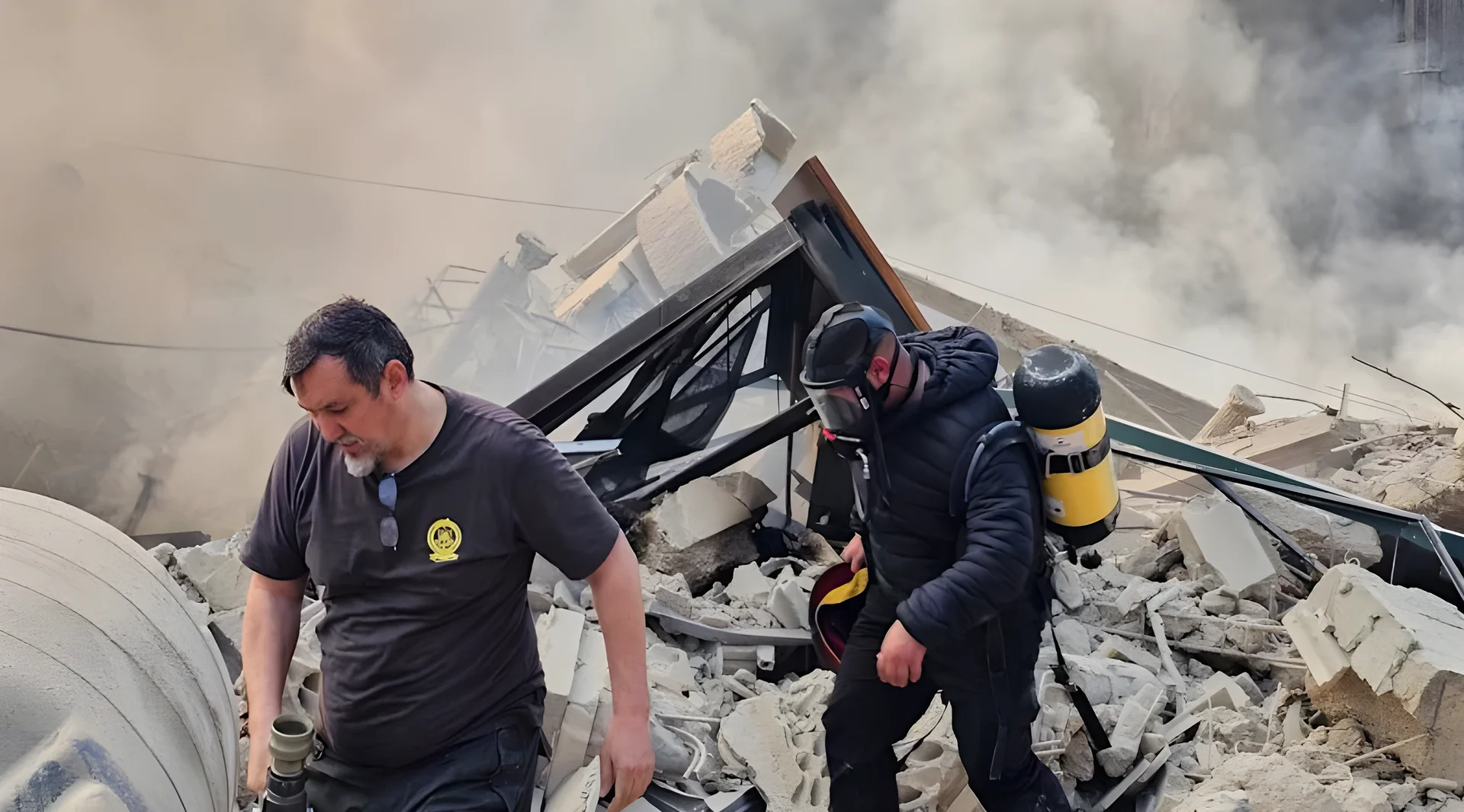
The United States has declared that it is ahead of its strategic objectives in curbing Iran’s ability to launch missiles and drones across the Middle East, having struck nearly 2,000 Iranian targets in a major campaign. Meanwhile, Israel has vowed to target the next Iranian leader, as the hard-line son of the late Supreme Leader, Mojtaba Khamenei, is seen as a likely successor. The conflict has escalated sharply, with at least 1,000 civilian deaths reported in Iran since the start of the strikes, according to the Human Rights Activists News Agency.
Impact on Regional Stability
The massive U.S.-led bombing campaign, supported by 50,000 American personnel, has aimed to end the growing chaos in the region. However, the strikes have also deepened a shipping crisis, raising fears of rising oil prices and forcing airlines to cancel thousands of flights. The situation has also intensified the war in Lebanon, where Israeli strikes have killed at least 50 people and wounded 335 since the escalation began.
The death toll at the Shajareh Tayyebeh girls’ school in Minab, southern Iran, has risen to 108 students, according to the Iranian Red Crescent Society. Thousands of mourners gathered for the funeral, with footage verified by The New York Times showing workers laying out coffins near the site.
Israeli Defence Minister Israel Katz declared that the next Iranian leader would also be a target. ‘Every leader appointed by the Iranian terror regime to continue and lead the plan to destroy Israel, to threaten the United States and the free world and the countries of the region, and to suppress the Iranian people – will be a target for elimination,’ he wrote on social media.
Political Fallout and International Reactions
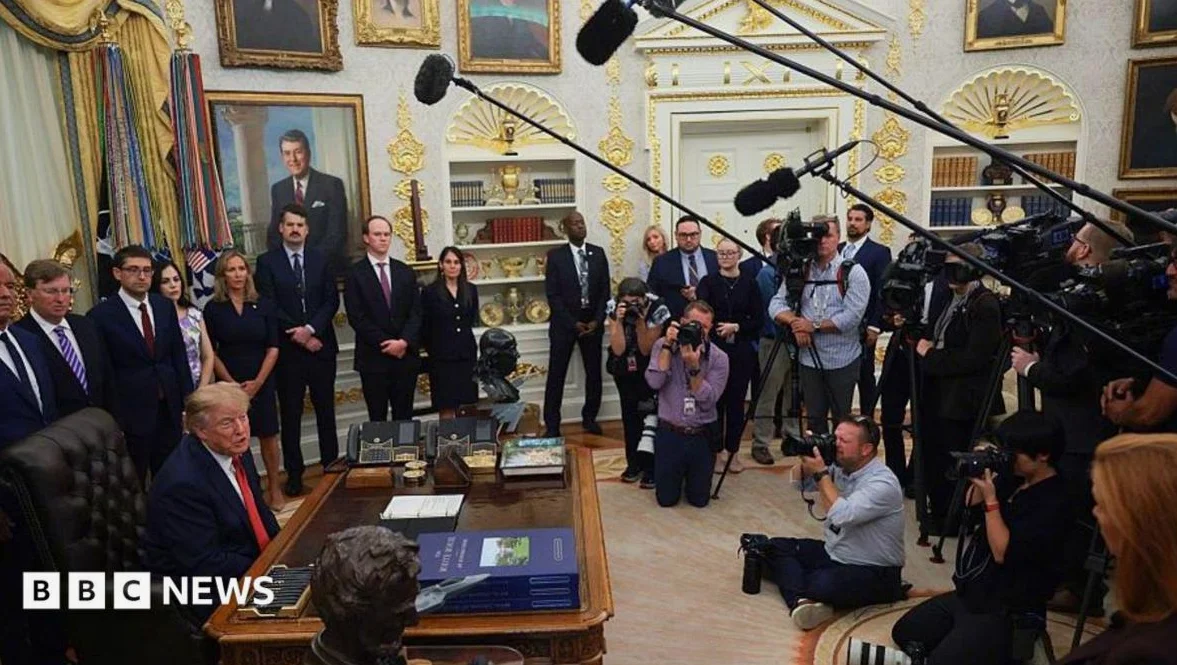
U.S. President Donald Trump expressed confidence in the success of the war but also raised concerns about the potential for a new, equally hostile leader to take power in Iran. ‘I guess the worst case would be we do this, and then somebody takes over who’s as bad as the previous person, right? That could happen,’ he told reporters at the White House.
Trump’s remarks came amid a rift with UK Prime Minister Keir Starmer, who refused to allow U.S. forces to use British military bases in the Indian Ocean and England. ‘This is not Winston Churchill we are dealing with,’ Trump said, comparing Starmer to Britain’s wartime leader.
France’s President Emmanuel Macron also criticized the strikes as being outside of international law, despite ordering French forces to engage in the conflict. Germany’s Chancellor Friedrich Merz, who met with Trump at the White House, took a more diplomatic stance, saying the strikes were ‘not without risk’ but could lead to political change in Iran.
Humanitarian and Economic Consequences
The conflict has led to a surge in oil prices and significant economic strain on countries involved. Airlines have canceled more than 20,000 flights due to the heightened security risks, while governments are scrambling to evacuate citizens via emergency flights. The United Nations has called for an immediate halt to the conflict, citing the increasing number of civilian casualties and the severe humanitarian impact across the Middle East.
United Nations Secretary-General Antonio Guterres’ office warned of the ‘multiplication of new fronts’ across the region, emphasizing the growing risk to civilians. Meanwhile, Iran’s Islamic Major Guard Corps claimed full control of the Strait of Hormuz, a critical shipping route, despite U.S. claims that Iran’s navy has no operational vessels on key waterways after 17 were sunk.
U.S. Admiral Brad Cooper, commander of the Central Command, stated that Iran’s air defenses had been significantly degraded. ‘In simple terms, we’re focused on shooting things that can shoot us,’ he said in a video briefing, asserting that the U.S. is ‘ahead of our game plan.’
Despite the U.S. military’s assessment, the head of the UN’s nuclear watchdog, Rafael Grossi, told CNN that Iran was not close to acquiring a nuclear weapon and did not pose an imminent threat. This has raised questions about the justification for the U.S. and Israeli strikes, which were framed as necessary to counter Iran’s nuclear ambitions and its support for regional terrorist groups.
Trump responded to Iran’s control of the Strait of Hormuz by suggesting the U.S. Navy could escort oil tankers through the strategic waterway. However, the situation remains volatile, with no clear resolution in sight as the war continues to unfold with unpredictable consequences for the region.


Comments
No comments yet
Be the first to share your thoughts