

The U.S. State Department has confirmed that it will start reducing funding for South Africa’s HIV programs through a “phased drawdown,” according to a State Department official. This move follows what the administration has described as South Africa’s failure to make “demonstrable progress on policy requests.” The U.S. government aims to promote self-reliance in middle-income countries like South Africa, which it says is “more than capable of supporting its own health programs.”
Political and Policy Tensions
Relations between the U.S. and South Africa have been strained by Trump administration claims of white persecution in the country, but Trump has falsely alleged that a “white genocide” is occurring, leading to the creation of a refugee program for Afrikaners. The administration has also accused South African President Cyril Ramaphosa of failing to protect white farmers from violence and displacement, according to an exclusive report by the Daily Caller. Specific policy demands include exemptions for U.S. companies from race-based economic empowerment laws and a stronger condemnation of race-based incitement to violence.
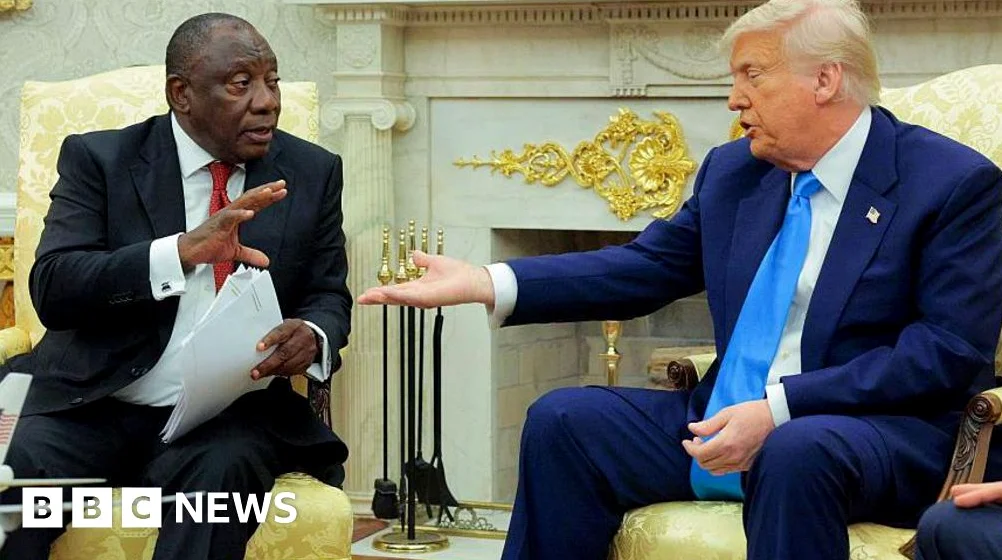
Trump has publicly criticized Ramaphosa on multiple occasions, including during a high-profile meeting at the White House, though the State Department outlined six policy requests South Africa failed to meet, including addressing rural crime and preventing expropriation without due process. The U.S. has reduced PEPFAR funding to South Africa in each of the last two years, with more than $8 billion provided to the country since 2003.
Global Health Concerns
Experts warn that the U.S. decision could lead to millions of preventable AIDS-related deaths if funding is not replaced — In 2024, there were approximately 630,000 AIDS-related deaths worldwide, a number that has remained largely unchanged since 2022. UNAIDS notes that half of all new HIV infections occur in sub-Saharan Africa, and more than 50 percent of people who need treatment but aren’t receiving it are in Africa and Asia.
The decision comes at a time of medical progress, including the approval of a twice-yearly injectable HIV prevention drug called Lenacapavir, which is 100 percent effective in preventing the virus. The U.S. Food and Drug Administration approved the drug last month, but activists say its high cost will limit access for many countries that need it. Gilead, the manufacturer, has agreed to sell generic versions of the drug in 120 poor countries but has excluded nearly all of Latin America, where HIV rates are increasing.
Impact on South Africa
South Africa has the largest number of people living with HIV in the world, with roughly 8 million affected — While PEPFAR has contributed to the country’s HIV programs, the South African government funds the provision of life-saving antiretroviral drugs independently. The country’s president. Cyril Ramaphosa. Has announced plans to work with Gilead to launch generic versions of Lenacapavir in South Africa.
Access to Lenacapavir is limited in many countries due to commercial barriers and high prices. The drug is approved for use in the U.S. and the EU but is not widely available in countries with high HIV rates, particularly in Latin America. Gilead’s voluntary license for generic production excludes 26 countries, despite their participation in clinical trials.
The reduction in U.S. funding and restricted access to new HIV prevention tools pose a significant risk to global efforts to curb the epidemic. The U.S. has long been a key player in the global HIV response, having saved 25 million lives and prevented millions of new infections through PEPFAR since 2003. The administration’s decision reflects broader efforts to cut federal spending, but critics argue it could undermine progress made over the past two decades.






Comments
No comments yet
Be the first to share your thoughts