

 Reuters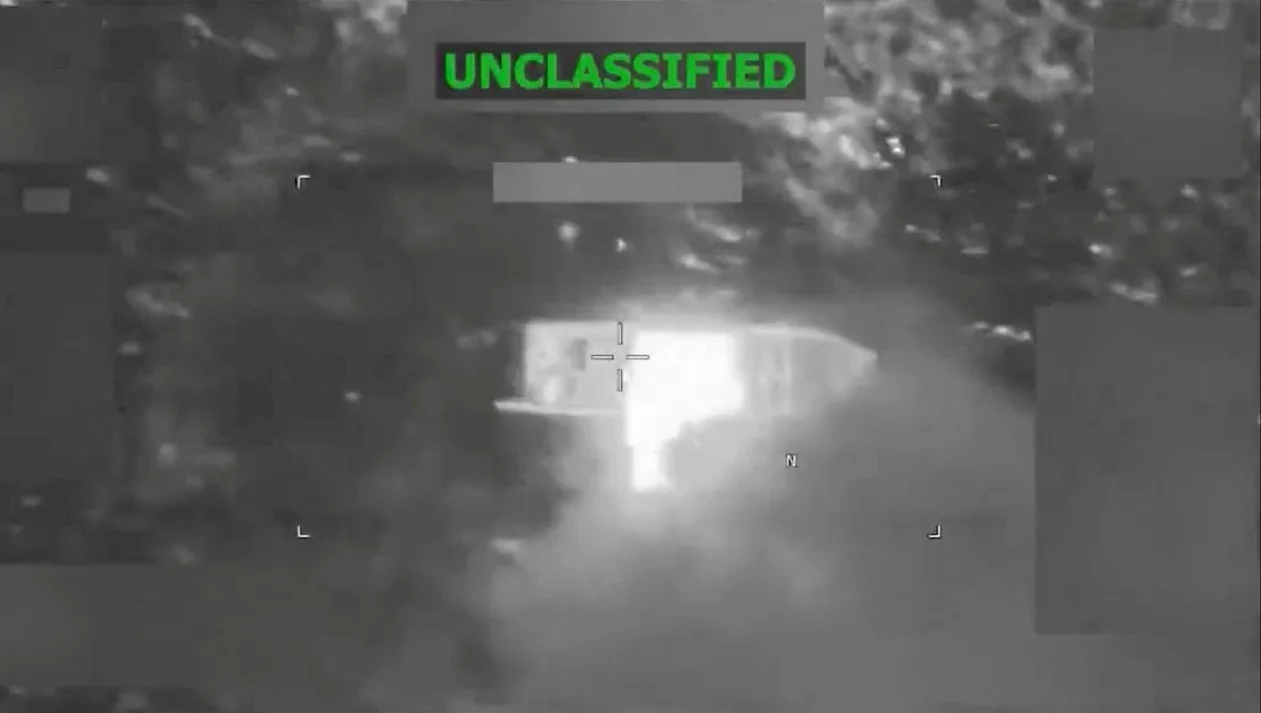
The U.S. military has confirmed that 157 people have been killed in 45 strikes against suspected drug trafficking vessels in the Western Hemisphere, according to a senior defense official. The strikes, which have taken place in the Caribbean and Eastern Pacific since September 2025, are part of a broader campaign aimed at disrupting the flow of illegal drugs into the United States.
Impact on Drug Trafficking Networks
According to Joseph Humire, a senior Pentagon official responsible for homeland defense and Americas security affairs, 47 ‘narco-trafficking vessels’ have been destroyed in the strikes so far. He stated in a written statement to lawmakers that the campaign has had a ‘significant and profound’ impact on drug trafficking operations in the region.
Humire noted that the strikes have led to a 20% reduction in the movement of drug vessels in the Caribbean and a 25% reduction in the Eastern Pacific. These figures suggest a measurable disruption in the logistics of drug trafficking networks operating in the region.
While the U.S. military has released video footage of several strikes on social media, it has provided limited details about the nature of the drugs being transported, the quantities involved, or the identities of those killed. This lack of transparency has raised questions among legal experts and members of Congress about the legality and oversight of the operation.
Legal and Political Concerns
Several legal experts have expressed concerns over the legality of the strikes. According to a statement from the American Civil Liberties Union (ACLU), the use of lethal force against suspected drug trafficking vessels in international waters may violate international maritime law and the U.S. Constitution.
Democratic lawmakers have also voiced concerns over the lack of congressional oversight and the potential escalation of hostilities in the region. Senator Sheldon Whitehouse, a member of the Senate Judiciary Committee, stated that the strikes ‘raise serious questions about the legality and necessity of these actions.’
Humire defended the strikes, stating that they are a necessary measure to protect U.S. national security and to combat the growing threat of drug trafficking. He emphasized that the strikes are conducted in accordance with international law and are part of a broader strategy to reduce the flow of illegal drugs into the United States.
The Trump administration has supported the campaign, with officials stating that it is a critical component of their broader drug policy. However, the Biden administration has not yet publicly commented on the strikes, leaving the legal and political implications of the operation uncertain.
What’s Next for the Campaign
The U.S. military has not provided a timeline for the continuation of the strikes, but officials have indicated that the campaign will continue as long as it is deemed necessary to disrupt drug trafficking operations. According to Humire, the military is monitoring the situation closely and will adjust its strategy based on the evolving threat.
Experts suggest that the campaign could face increasing scrutiny from international bodies and legal organizations. The International Court of Justice and the United Nations have previously raised concerns about the use of force in international waters, and further strikes may draw attention from these organizations.
Meanwhile, the impact of the strikes on local populations and the environment remains a point of concern. Environmental groups have warned that the use of explosives in the region could have long-term ecological consequences, and the potential for civilian casualties has also been raised as a concern.
With 45 strikes already carried out and 157 people killed, the campaign has already left a significant mark on the region. The U.S. military has not provided a detailed report on the outcomes of the strikes, but the lack of transparency continues to fuel debate over the legality and effectiveness of the operation.
As the campaign continues, the focus will likely shift toward the legal and political ramifications of the strikes. With the upcoming congressional elections and the potential for a change in administration, the future of the operation remains uncertain.






Comments
No comments yet
Be the first to share your thoughts