

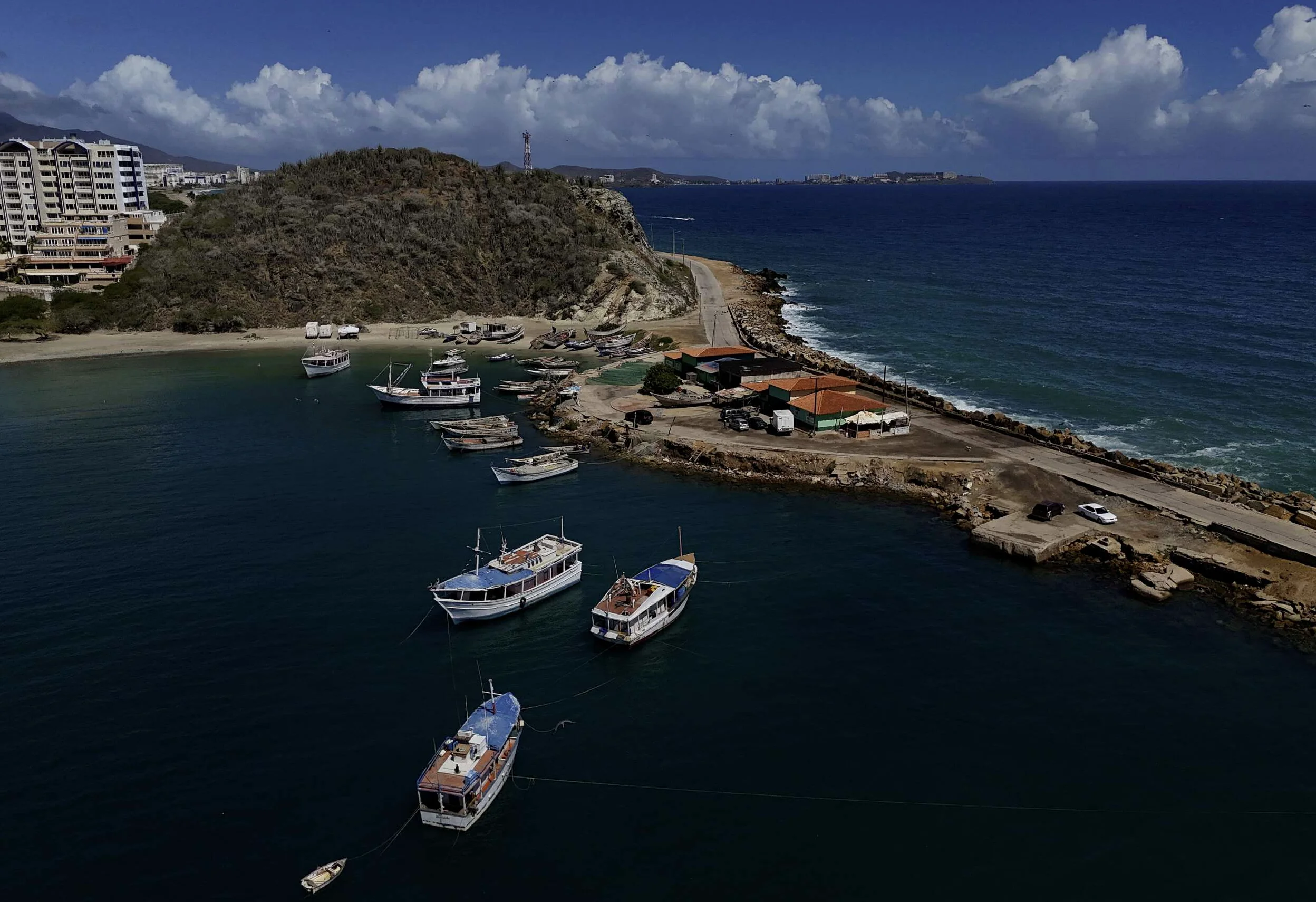
Tim Stern woke to a barrage of phone calls at his Venezuelan home on January 3, 2026. U.S. forces had just bombed Caracas, capturing President Nicolás Maduro for transport to the United States. Stern, co-founder of CryptoCity on Margarita Island, told the Free Cities Podcast that the upheaval marked the dawn of vast opportunities in Venezuela.
Oil drove the U.S. action. President Donald Trump seeks to return nationalized Venezuelan crude to American firms and control its sales, according to public statements. Stern’s project sidesteps petroleum. CryptoCity covers 35 hectares on the duty-free island of 490,000 people, which relies on tourism battered by Venezuela’s collapse. The development targets wealthy foreigners, especially Germans. Vetted high-net-worth residents conduct all deals in cryptocurrency. They join a ‘brain pool’ for business ventures via a Decentralized Autonomous Organization, or DAO.
Sales exploded post-strike. Properties priced at $20,000 to $30,000 vanished. Investors flooded in, eager to visit Margarita, Stern said. CryptoCity appears on the Free Cities Foundation site, run by German economist Titus Gebel. The group backs Próspera, a self-governing zone in Honduras.
Trump’s policies aid this private-city push. Libertarians dream of market-driven enclaves free from state control. Momentum built after the 2008 crash. Peter Thiel, Palantir co-founder, funded the Seasteading Institute for ocean colonies and Pronomos Capital, a Próspera investor. Balaji Srinivasan advanced the ‘network state’ concept in 2022: online groups pooling funds to buy land and build blockchain nations using legal loopholes.
Trump shifted on Greenland at the recent Davos World Economic Forum. He announced a NATO framework deal for the Arctic, including U.S. military enclaves like Guantánamo Bay in Cuba. Details remain secret. No full conflict looms, but concessions could invite venture capitalists eyeing ‘network states.’
Praxis, a self-styled network empire, cheered Trump’s Greenland annexation talk early in his term. Co-founder Dryden Brown visited the island post-election in November 2025, aiming to purchase it. Praxis, funded by Pronomos, Srinivasan, Seasteading’s Patri Friedman, Joe Lonsdale of Palantir, Sam Bankman-Fried’s Alameda Research, and Sam Altman’s Apollo Ventures, reposted a White House image of Trump under a Praxian flag pattern, captioning it ‘Praxians in control.’
Greenland plans cooled as U.S. takeover odds fell. Yet Praxis eyes military-adjacent sites. In June 2025, it pitched Atlas: a 3,850-acre defense spaceport city at California’s Vandenberg Space Force Base. The beachside hub would draw elite talent for AI defense tech, targeting 50,000 residents and $35 billion in revenue.
Honduras offers a blueprint. Próspera on Roatán Island bought mainland Satuye Port, folding it into its rule despite a 2024 Supreme Court ruling against ZEDE laws. Passed in 2013, repealed in 2022, those rules let low-density coastal zones join without votes. Landowners could opt in easily. Próspera thrives, drawing funds.
Praxis blends Western defense rhetoric with space ambitions. Its online posts mix Mars dreams and charged references, like saving the ‘corpse of Albion.’
Trump’s domestic ‘Freedom Cities,’ now Acceleration Zones, echo Honduras ZEDEs. Campaign pledges became policy, aligning with tech billionaires’ visions of sovereign pockets amid global turmoil.






Comments
No comments yet
Be the first to share your thoughts