

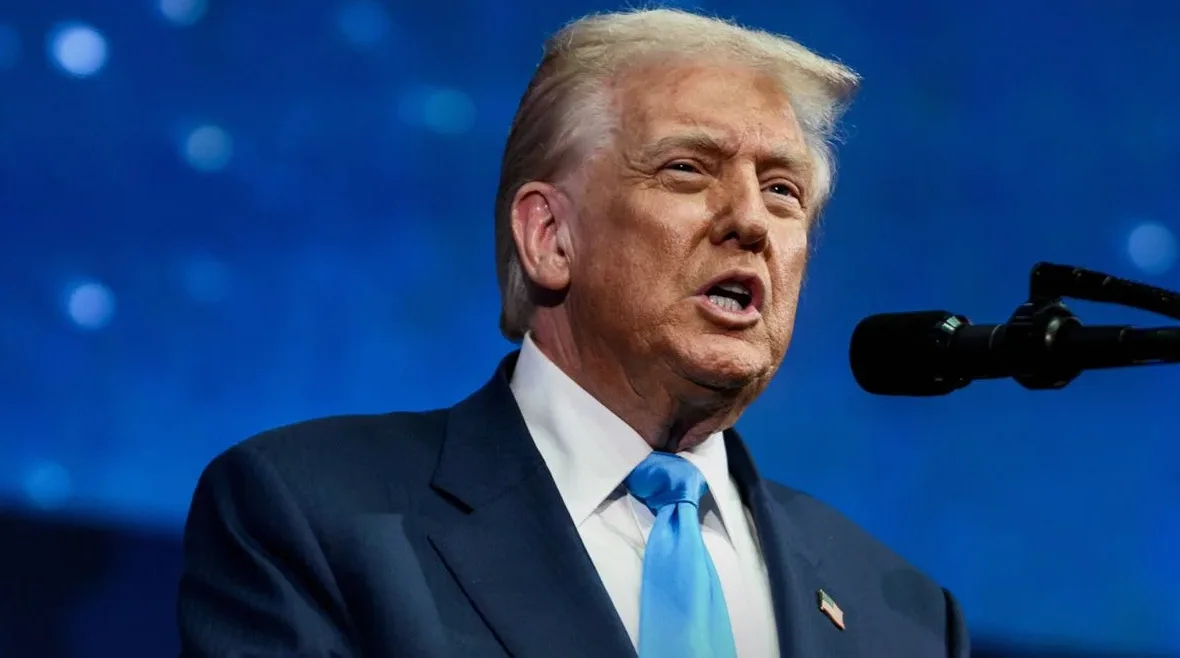
WASHINGTON — A US Supreme Court ruling has curtailed President Donald Trump’s broad authority to impose emergency tariffs, paving the way for lower duties on Indian exports such as textiles and pharmaceuticals. The decision invalidates most “reciprocal” tariffs enacted via the International Emergency Economic Powers Act (IEEPA), which had driven rates as high as 18 percent on some goods from India.
Indian exports to the US reached USD 103.82 billion in calendar year 2025, US government statistics show. That figure has doubled over the past five years, tilting the trade balance in India’s favor. Trade analysts predict the court’s move will deliver a short-term lift to those shipments.
Trump announced the 10 percent baseline tariff shortly after the ruling. It applies temporarily to partners including India during ongoing negotiations. Layered atop the standard most-favored-nation (MFN) rate of about 3.5 percent, the effective duty on many Indian products could settle at 13.5 percent, analysts estimate. Some goods might face just 10 percent overall.
“Goods exports from India will attract between 10-13.5 percent duty, with an average of 12-12.5 percent,” said Prof. Biswajit Dhar, former WTO chair at the Indian Institute of Foreign Trade. He added that India and the US may need to renegotiate parts of their interim trade deal.
Commerce ministry officials in India, speaking anonymously, said the ruling undermines the legal footing for the prior 18 percent reciprocal rate. The court preserved US options for targeted tariffs under other statutes. Section 232 of the Trade Expansion Act covers national security issues. Section 301 of the 1974 Trade Act targets unfair practices.
“Potentially we could come back to the 18 percent tariff regime, but such an eventuality seems not likely,” the officials noted.
India’s Ministry of Commerce and Industry issued a statement Saturday. “We have noted the US Supreme Court judgement on tariffs yesterday,” it said. “President Trump has also addressed a press conference in that regard. Some steps have been announced by the US Administration. We are studying all these developments for their implications.”
Trump addressed reporters at the White House that morning. He insisted the India-US trade deal stays intact despite the setback. “I think my relationship with India is fantastic, and we’re doing trade with India,” he said. Trump highlighted India’s reduced oil purchases from Russia at his urging amid the war there, where he claimed 25,000 people die monthly.
The ruling reshapes a fragile interim pact between the two nations. Negotiators now face pressure to adjust terms under the new tariff framework. Indian officials continue their review as exports hang in the balance.




Comments
No comments yet
Be the first to share your thoughts