

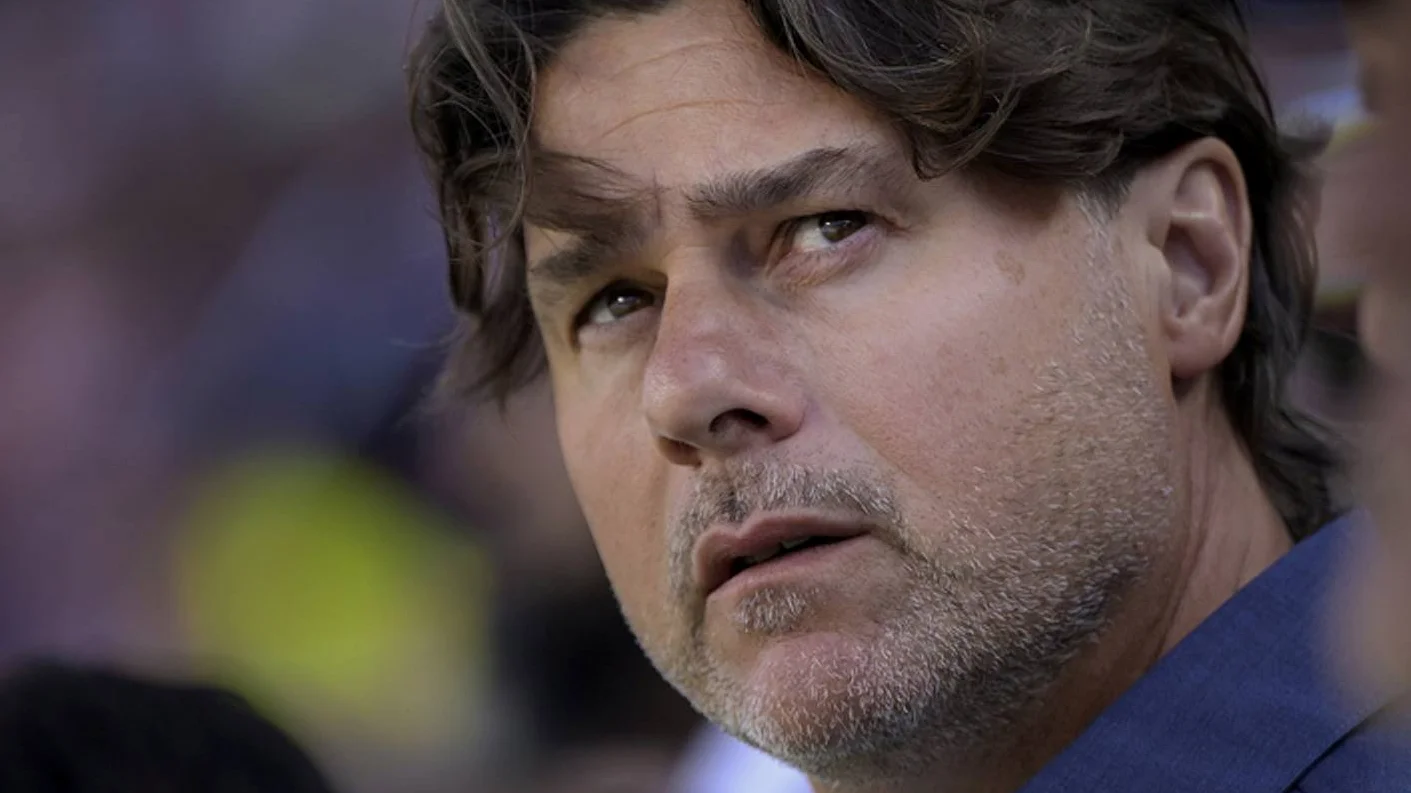
The U.S. entered the 2026 World Cup hoping for its best performance in over two decades, but a 4-1 loss to Belgium on July 7 in Seattle dashed those hopes, according to Newsweek. The defeat marked the end of the team’s World Cup journey and highlighted ongoing challenges in bridging the gap between American soccer and global football powerhouses.
Coach Pochettino’s Role in the USMNT’s Message
Manager Mauricio Pochettino, who led the team with a “Why not us?” mantra inspired by U.S. belief and ambition, has been defended by many in the wake of the loss, according to Sports Illustrated. Pochettino’s message resonated with players and fans alike, and despite the defeat, many believe he deserves to stay at the helm. His two-year contract is set to expire this summer, but U.S. Soccer has shown interest in extending it through the 2030 cycle.
“It was not good enough when it mattered most,” forward Folarin Balogun said on Instagram. The 25-year-old, who was controversially reinstated after a red card in the previous round, remained in the starting line-up for the Belgium match.
Controversy and Calls for Reform
The U.S. team’s run-in the tournament was not without controversy. Before the Belgium match, Balogun’s red card in a previous game was overturned after U.S. President Donald Trump reportedly called FIFA president Gianni Infantino, who then reversed the decision, according to The Sun. The move drew criticism from Belgium’s federation and UEFA.
Meanwhile, the broader debate over the USMNT’s long-term development continues. Simon Chadwick, professor of Sport and Geopolitical Economy at SKEMA Business School, told Newsweek that the lack of improvement in performance,even on home soil—raises concerns about how the U.S. can “break through the glass ceiling” and build a deeper talent pool for future World Cups.
“The future of American soccer is very bright,” said analyst Stu Holden, who echoed the sentiment from Pochettino and others that the team is showing potential but still needs to improve in key areas such as defensive organization and player development.
Player Reflection and Fan Support
Forward Ricardo Pepi apologized to fans for the team’s failure to advance beyond the round of 16, according to The Sun. Pepi, who overcame a serious injury to participate in the tournament, said, “It just wasn’t good enough from us, and we wanted and expected more from ourselves.” He also thanked fans for their support, describing the atmosphere as “unbelievable” and a moment he would never forget.
While the U.S. did win several matches in the group stage,including a 4-1 win over Paraguay and a 2-0 win over Australia—the 1-4 loss to Belgium marked the end of their hopes of a deeper run. According to FotMob, the U.S. had been in strong form leading up to the tournament, winning three of their last five matches and scoring 11 goals in that span.
“The belief, the talent and the passion is continually growing,” said Balogun. “The future belongs to those who never stop believing, this moment will fuel us. We will be back. Why not us?”
With the 2030 World Cup in mind, the U.S. will now look to evaluate its strategy, refine its tactics, and invest in youth development to ensure it can compete at the highest level in the future.
Comments
No comments yet
Be the first to share your thoughts