

 Al Jazeera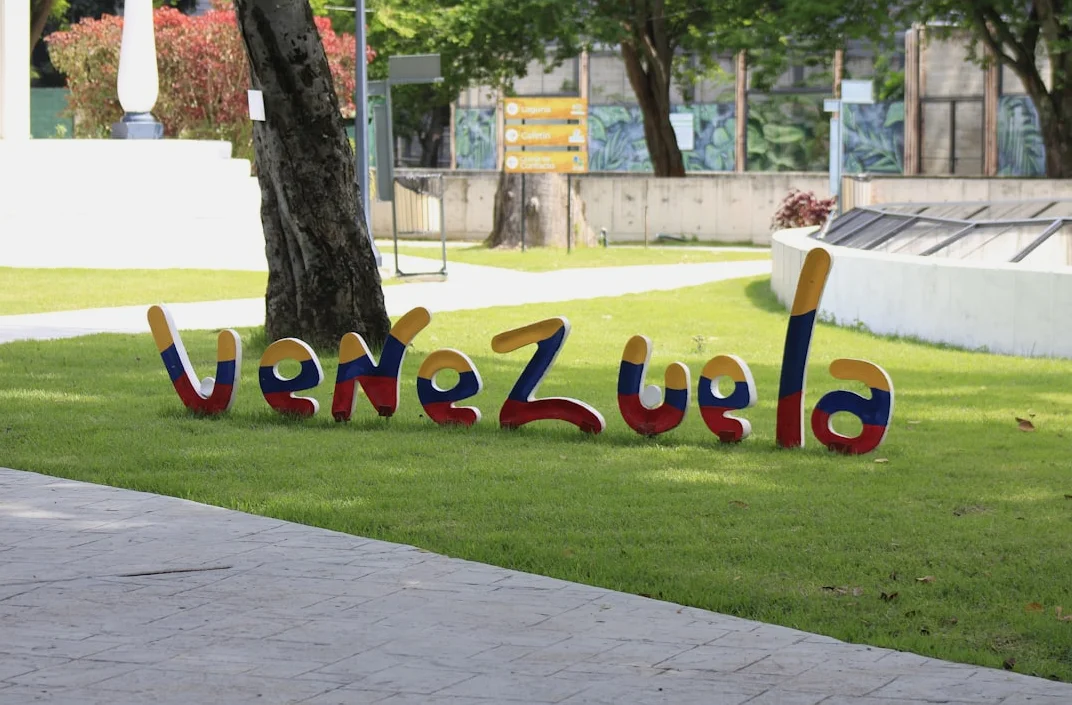
Critics are calling a US multi-billion-dollar oil deal in Venezuela a new form of modern-day colonialism, according to Al Jazeera, though the agreement reportedly gives the US control of 20% of Venezuela’s oil reserves for decades. This deal has raised concerns among Venezuelans and international observers about its implications for the country’s sovereignty.
Deal Terms and Concerns
The agreement reportedly grants the US significant control over Venezuela’s oil sector without the approval of the country’s legislature; this lack of legislative oversight has drawn criticism from political figures and civil society groups who argue that such a deal undermines democratic processes. Al Jazeera’s Nour Hegazy has highlighted these concerns in her reporting.
Venezuela’s oil reserves are among the largest in the world, making the resource a strategic asset for both the country and foreign investors; Critics argue that allowing the US to control 20% of these reserves could lead to a situation where Venezuela becomes overly dependent on foreign powers. This has led some to draw parallels with historical colonial practices where foreign nations exploited local resources for economic gain.
Historical Context of Colonialism
Colonialism historically involved foreign powers establishing political, economic, and cultural control over a region, often at the expense of the local population. Modern-day critics of the Venezuela-US oil deal suggest that the agreement echoes these patterns. The lack of transparency and the absence of legislative approval are key factors fueling this debate.
Supporters of the deal, however, argue that it brings much-needed investment and technological expertise to Venezuela’s struggling oil industry. They claim that this collaboration could help revitalize the sector and create jobs. Despite these potential benefits, the controversy persists due to the manner in which the deal was negotiated and the lack of public consultation.
Public and Political Reactions
Venezuelan political leaders have voiced concerns about the deal, with some calling it a violation of national sovereignty. Civil society organizations have also expressed alarm over the lack of transparency and the potential for long-term dependence on foreign powers. Al Jazeera’s reporting exposes the growing unease among the population.
International observers are closely watching how this deal will affect Venezuela’s economy and political setting. The government’s decision to enter into such an agreement without legislative approval has raised questions about the democratic process in the country. Some analysts suggest that the deal could lead to further political instability if it is perceived as a betrayal of national interests.
Critics argue that the deal could have long-term consequences for Venezuela’s economy. By ceding control of a significant portion of its oil reserves to the US, the country may become more susceptible to foreign influence. This has led to calls for greater transparency and public debate on the matter. Al Jazeera’s reporting highlights the need for a more inclusive decision-making process in such high-stakes agreements.


Comments
No comments yet
Be the first to share your thoughts