

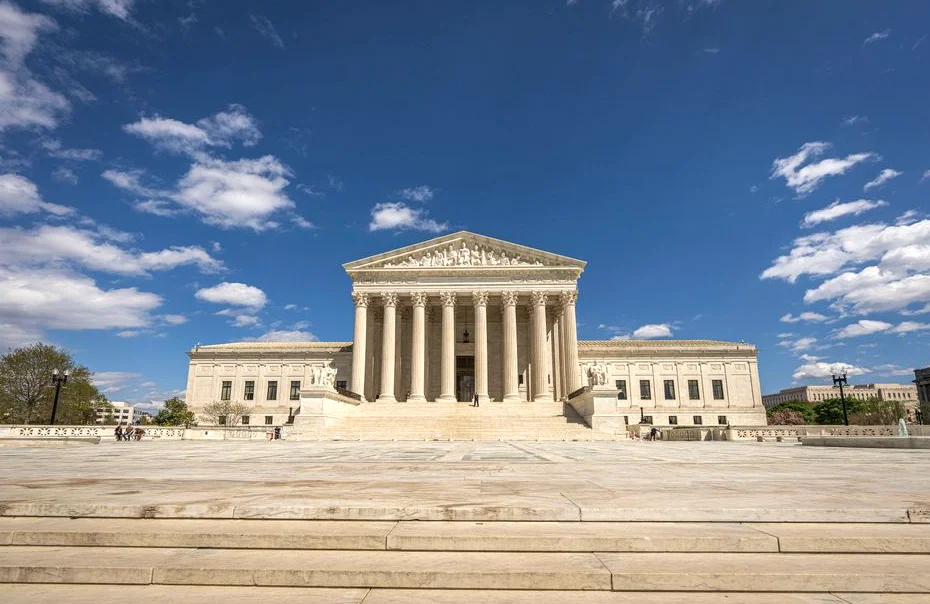
The Missouri Supreme Court ruled that a new congressional map, drawn by state Republicans, cannot be used for the November general elections. The map was designed to redraw district lines in a way that could potentially eliminate one of the two Democratic seats in the state’s U.S. House delegation, including Rep. Emanuel Cleaver’s district. “More than 305,000 Missourians demanded a say in who will represent them in the halls of Congress,” Cleaver said on X. “Despite the cynical and deeply shameful attempt to silence many of our neighbors, the people fought back and won.”
Redistricting Dispute Reaches State Supreme Court
The ruling comes after a lengthy legal battle between the advocacy group People Not Politicians Missouri and state GOP leaders. The group collected more than 300,000 signatures to force a veto referendum on the new map, but Missouri Secretary of State Denny Hoskins refused to certify it, claiming it was unconstitutional. The group then appealed to the state Supreme Court, which heard arguments on the matter. The ruling arrived just days before the Sept. 8 deadline for finalizing the general election ballot.
Missouri redrew its congressional map at the behest of President Donald Trump in 2025. The state used the Republican-drawn map for its August primary. Judge Ginger K. presided over the case, though the court’s full decision has not yet been released. The outcome could force state officials to redraw the map before the general election.
Drug Planting Controversy Rocks Missouri Race
In a separate but equally controversial case, Missouri House candidate Thomas Ross was charged with conspiring to plant cocaine and Adderall on his Republican primary opponent, Louise Secker. Ross, 37, was arrested after a former campaign manager reported the plot to law enforcement. According to a probable cause statement, Ross provided the campaign manager with a black nylon glove containing a plastic bag of white powder and a pink and white capsule, which were later tested and confirmed to be cocaine and Adderall.
Ross sent the campaign manager text messages referring to the plan in coded language, including phrases like “the substance of the matter.” In one message, Ross wrote, “Hope you all are having success knocking doors and getting the substance of the matter sorted this week.” In another, he asked, “Any luck with the substance of the matter? I won’t be gone much longer.” Ross won the primary by a narrow margin of just a few dozen votes.
Missouri’s Republican Party chairman, Peter Kinder, called on Ross to drop out of the race, describing the circumstances of his arrest as “serious and deeply troubling.” The federal public defender’s office has yet to confirm Ross’s planned response to the charges. The FBI has been involved in the investigation, and a covert recording from a July 31 meeting at Ross’s home was used as evidence in the case.
Broader Implications for Missouri Politics
These two developments highlight deepening tensions in Missouri’s political field. The redistricting dispute reflects a growing national concern over gerrymandering and voter suppression tactics. The drug controversy, meanwhile, reveals the lengths to which some candidates may go to secure political power, raising questions about the integrity of the electoral process.
Together, these events may influence the outcome of the 2025 general election and prompt further scrutiny of campaign conduct in the state. With the September deadline looming, Missouri officials now face the challenge of ensuring a fair and lawful election while maintaining public trust in the democratic process.




Comments
No comments yet
Be the first to share your thoughts