

 Reuters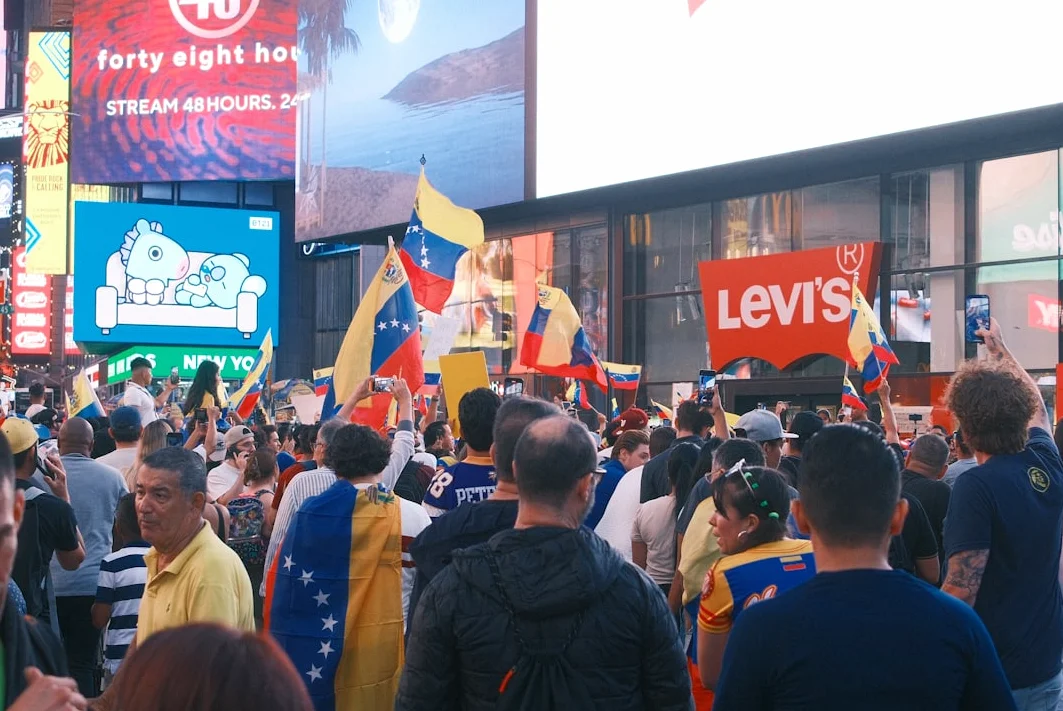
Venezuela’s government reported more than 1,550 applications under a freshly enacted amnesty law. National Assembly President Jorge Rodriguez shared the update during a state-run television appearance on Saturday.
Rodriguez said hundreds of prisoners are already walking free thanks to the measure. The National Assembly, dominated by the ruling party, approved the law on Thursday.
Human rights groups argue the amnesty provides limited help. They point to hundreds of political prisoners still behind bars across the country.
Interim President Delcy Rodriguez assumed office last month. Her rise followed the U.S. removal of Nicolas Maduro from power. She has met key Trump administration requests on Venezuelan oil exports. At the same time, authorities have let go of numerous detainees labeled political prisoners by activists.
Venezuelan officials reject the political prisoner label. They insist those incarcerated face charges for actual crimes.
One beneficiary is opposition figure Juan Pablo Guanipa. A close ally of Nobel Peace Prize recipient Maria Corina Machado, Guanipa saw his house arrest order dropped. His brother, lawmaker Tomas Guanipa, confirmed the development to reporters late Thursday.
The amnesty law emerged amid Venezuela’s turbulent political shift. Delcy Rodriguez’s interim leadership marks a break from Maduro’s long rule. U.S. pressure played a central role, tying oil policy changes to prisoner releases.
Rodriguez highlighted the pace of reviews during his broadcast. He did not specify how many requests officials have approved so far. The total of 1,550 highlights public demand for relief in a nation gripped by unrest.
Opposition voices welcomed individual cases like Guanipa’s. Yet broader skepticism persists. Rights monitors say the law’s scope excludes many held on protest-related charges or criticism of the government.
Venezuela’s prisons hold thousands. Political detentions spiked during Maduro’s tenure, according to international observers. The amnesty arrives as the interim government seeks to stabilize ties with Washington.
Oil sales represent a lifeline for Venezuela’s economy. Compliance with U.S. demands could unlock sanctions relief. Prisoner releases form part of that bargain, though Caracas frames them as routine justice.
Jorge Rodriguez, a key ruling party stalwart, used the platform to tout progress. His comments aired statewide, reaching viewers in Caracas and beyond. Details on the amnesty process remain sparse. Officials have not released a breakdown of applicants or approvals.
Maria Corina Machado, barred from office but a potent opposition force, counts Guanipa among supporters. His release bolsters her network at a fragile moment. The Nobel winner has rallied international backing against past government crackdowns.
Human rights organizations track over 300 political prisoners. Foro Penal, a leading Venezuelan group, logs ongoing cases. They call for full transparency in amnesty implementation.
The law passed swiftly through the assembly. Thursday’s vote locked in provisions for past offenses tied to protests and dissent. Critics say it sidesteps recent arrests.
Delcy Rodriguez, formerly vice president under Maduro, now steers the interim ship. Her oil concessions signal pragmatism. Prisoner moves test that approach domestically.
Saturday’s announcement sets the stage for more releases. Rodriguez vowed continued action. Families wait on thousands of petitions in the queue.




Comments
No comments yet
Be the first to share your thoughts