

 The Guardian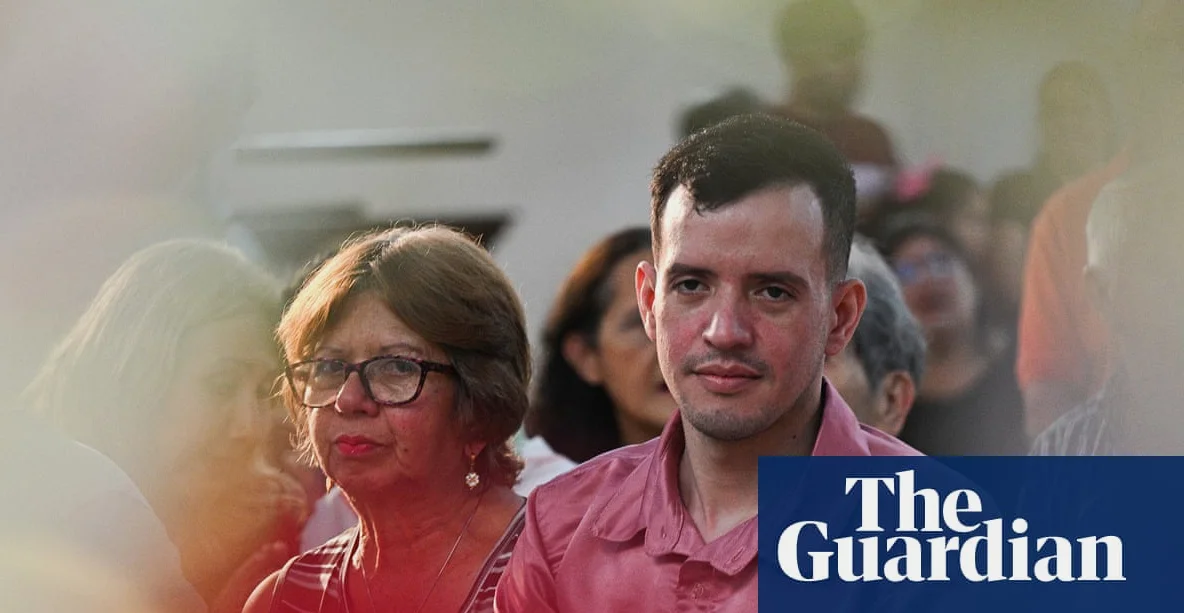
Andry José Hernández Romero, a 33-year-old Venezuelan makeup artist, has moved to Spain to request asylum after concluding he did not feel safe in El Salvador or the United States.
Background on the Deportation
Hernández was among 253 Venezuelans deported from the U.S. in March 2025 without due process, flown to El Salvador’s Cecot prison, a facility for alleged terrorists. The deportations were controversial and occurred in defiance of a federal court order.
According to the Guardian, the men were held incommunicado in cages for months and subjected to abuse, including sexual violence, though they were later released in a prisoner swap and returned to Venezuela.
Returning Home and New Fears
Upon returning to Venezuela, Hernández was initially optimistic about rebuilding his life — However, he soon began fearing for his safety again after a visit from officials from the vice-president’s office.
He was offered a job by Delcy Rodríguez, who ran the vice-president’s office at the time, but he declined it, as Hernández said he did not want to have ties to a government that had persecuted him as a gay man. The visit convinced him he was being watched by authorities.
Months later, Rodríguez was sworn in as acting president of Venezuela following the U.S. military’s capture of former President Nicolás Maduro. Around the same time, Hernández decided to leave Venezuela for Spain.
Seeking Asylum in Spain
Spain does not require a visa for Venezuelans, and those fleeing persecution can request asylum. Hernández said he chose Spain because he heard it had open policies toward immigrants and the LGBTQ+ community. He expressed optimism about making a fresh start and finding the happiness he had lost more than a year ago.
In Spain, he is awaiting his first asylum hearing, scheduled for the end of May. Officials there have defied the increasingly harsh immigration policies being embraced in Europe and the U.S. Earlier this year, Spanish Prime Minister Pedro Sánchez announced plans to grant legal status to roughly 500,000 migrant workers, most from Latin America.
According to Spanish government data, Venezuelans made up the highest number of requests for international protection in 2025. Up to April 30, 2026, more than 25,000 Venezuelans have sought asylum in Spain.
Hernández is still marked by the trauma he endured during his time at Cecot. For example, when someone approaches him and taps him on the shoulder, his mind jumps back to the prison. He still wants to clear his name but doesn’t know how to do so at the moment.
Remarkably, he said: “I don’t hold a grudge against the US. I can’t judge an entire country based on the actions of a group of people like Donald Trump [or] Kristi Noem, but entering the US at this time doesn’t guarantee I will keep my freedom and that is why I will continue to fight my case from Spain. Recovering my happiness will only be possible at the right place with the right people.”






Comments
No comments yet
Be the first to share your thoughts