

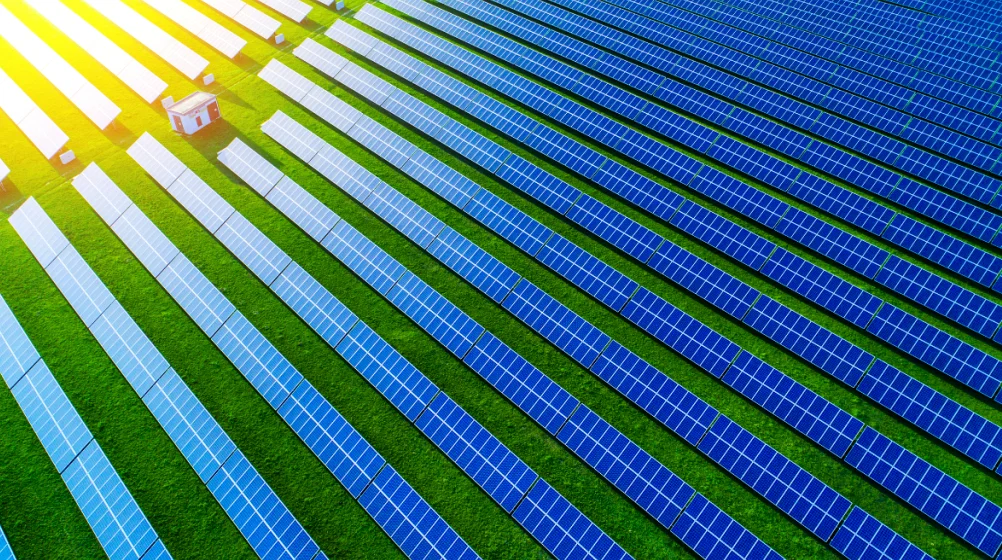
Waaree Energies Limited has received an order for the supply of 500 MW of solar modules from a domestic solar power developer engaged in the business of Independent Power Production (IPP), the company announced on February 23, 2026.
Regulatory Compliance and Contract Details
The disclosure was made under Regulation 30 of the Securities and Exchange Board of India (Listing Obligations and Disclosure Requirements) Regulations, 2015 (SEBI Listing Regulations), read with the relevant SEBI circular dated November 11, 2024.
According to the company, the order involves a one-time supply of 500 MW solar modules, scheduled for execution during the financial year 2026-27. The commercial scope of the contract covers the full delivery of the specified module capacity.
Waaree clarified that the order has been awarded by a domestic entity and that neither the promoter nor the promoter group has any interest in the awarding entity. The transaction does not fall under related party transactions.
The company stated that the details of the order will also be made available on its official website in compliance with regulatory requirements.
Boost to Waaree’s Order Book
This latest order further strengthens Waaree Energies’ order book and reinforces its position as a leading solar module manufacturer in India’s rapidly expanding renewable energy market.
With the Indian government aiming to achieve 500 GW of renewable energy capacity by 2030, the solar module manufacturing sector is experiencing unprecedented growth. This order from a domestic IPP is a clear indicator of the increasing demand for locally produced solar modules, reducing reliance on imports and promoting domestic manufacturing.
According to recent data from the Ministry of New and Renewable Energy, India added 14.8 GW of solar capacity in 2023, the highest annual addition in the country’s history. The government has also introduced various incentives and subsidies to promote domestic manufacturing, which has led to a surge in investments in the sector.
Analysts note that the 500 MW order from a domestic IPP is not only a testament to Waaree Energies’ capabilities but also aligns with the national push for self-reliance in renewable energy technology. This move is expected to have a ripple effect on the supply chain, encouraging more domestic component manufacturers and reducing the import dependency that has been a concern for years.
“This order highlights the growing confidence in domestic manufacturers and the government’s policy framework supporting renewable energy,” said a senior industry analyst. “It is a positive sign for the sector as it reduces the cost of solar power generation and accelerates the transition to clean energy.”
Future Implications and Market Outlook
With the execution of the order scheduled for the financial year 2026-27, the company is expected to see a significant boost in its revenue and market share. The order also positions Waaree Energies as a preferred supplier for domestic IPPs, which could lead to more contracts in the near future.
Industry experts predict that the demand for solar modules will continue to grow at a compound annual growth rate (CAGR) of over 12% through 2030, driven by falling module prices, government incentives, and rising electricity demand. This order from a domestic IPP is likely to be one of several such deals in the coming months, as companies look to scale up their renewable energy projects in line with national targets.
With the increasing focus on green energy, the solar module manufacturing sector is set to play a crucial role in India’s energy transition. The government’s recent announcement of a 20% basic customs duty on solar modules is expected to further bolster domestic manufacturing, making it more competitive in the global market.
As the renewable energy sector continues to expand, the impact of such orders on the local economy, job creation, and technological innovation will be significant. The 500 MW order from a domestic IPP is not just a business milestone for Waaree Energies but also a step forward in India’s journey toward energy independence and sustainability.






Comments
No comments yet
Be the first to share your thoughts