

The war between Iran and Israel has revealed a significant disconnect between public military rhetoric and institutional intelligence assessments. While Israeli forces have vowed to pursue anyone involved in selecting a successor to the late Supreme Leader Ayatollah Ali Khamenei, classified reports from the US National Intelligence Council suggest that even large-scale military operations may not achieve regime change. This divergence raises questions about what leaders are not disclosing about the next phase of the conflict.
Public Vows and Institutional Realities
The Israeli military has explicitly stated it will target individuals involved in choosing Iran’s next supreme leader, according to verified statements. This operational stance implies an intent to influence Iran’s internal power dynamics. In contrast, a classified report from the US National Intelligence Council concluded that external military action is unlikely to disrupt Iran’s entrenched clerical and military power structures.
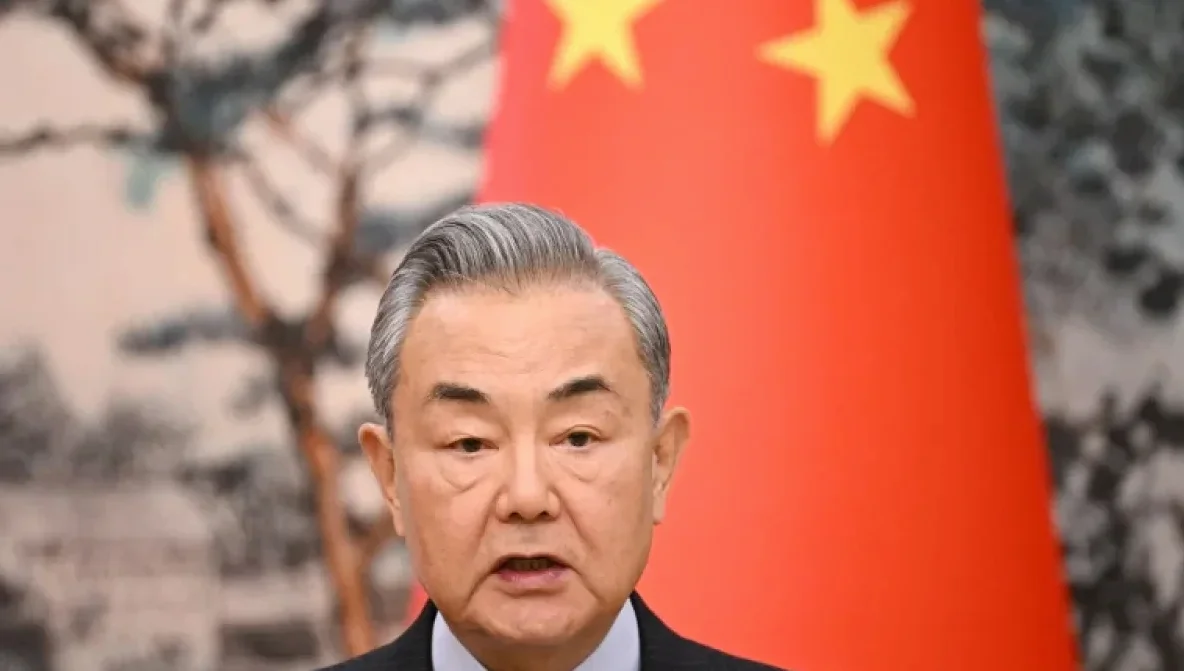
China’s Foreign Minister, Wang Yi, warned that efforts to change Iran’s government would lack popular support and urged respect for the sovereignty of all nations, calling for an immediate halt to military operations. Similarly, UK Foreign Secretary Yvette Cooper emphasized the UK’s focus on national interests and its role in providing defensive support rather than engaging in direct military intervention.
Regional and Global Implications
Analysts warn that the combination of military rhetoric, diplomatic calls for restraint, and institutional caution could lead to prolonged conflict and unintended escalation. Philip Shetler-Jones of the Royal United Services Institute noted that extended instability in the Middle East could disrupt critical regions for external investors. Professor Kerry Brown of King’s College London highlighted concerns in Beijing about becoming entangled in a conflict that lacks a clear strategic plan.
The Israeli military’s targeting of Iran’s leadership selection mechanisms may heighten tensions, while the US intelligence assessment highlights the limits of military action. China’s diplomatic stance, as expressed by Wang Yi, positions Beijing as a counterweight advocating for the preservation of regional stability and the cessation of hostilities.
Accountability and the Need for Transparency
Experts argue that the gap between public statements and intelligence assessments necessitates greater transparency. Recommendations include the declassification of elements of the National Intelligence Council report that relate to public risk, clearer rules of engagement from the Israeli military, and a multilateral diplomatic effort to formalize calls for a halt to military operations.
The classified nature of parts of the intelligence assessment limits public understanding, and operational intentions within militaries are not fully disclosed in public statements. These gaps must be addressed through targeted transparency measures to ensure democratic publics can evaluate the risks and trade-offs of further escalation.
The war between Iran and Israel continues to shape global and regional dynamics, with each side’s actions and inactions carrying significant consequences. As military and diplomatic actors handle their positions, the need for clarity and accountability becomes increasingly urgent.





Comments
No comments yet
Be the first to share your thoughts