

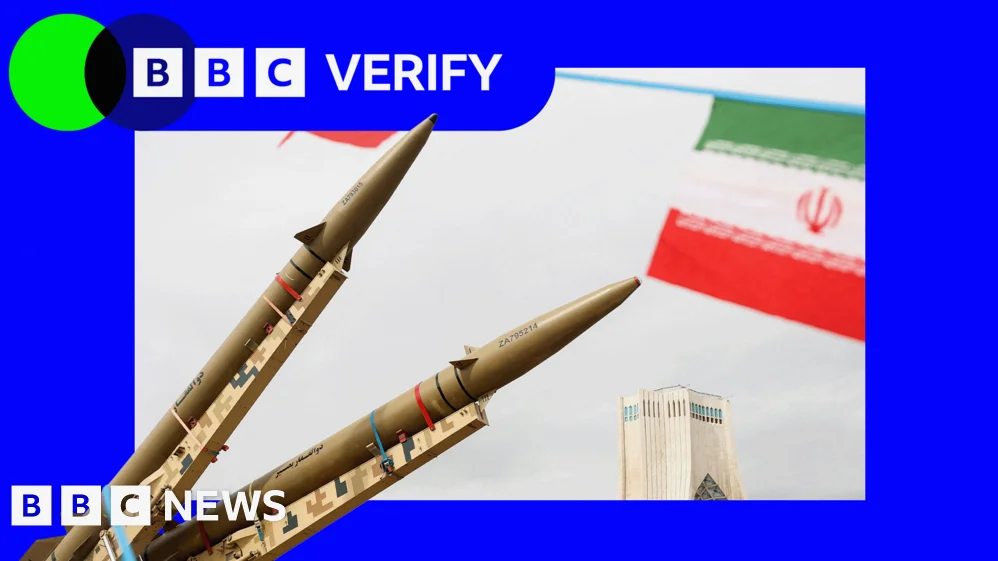
A new agreement between the US and Iran includes provisions for removing nuclear material but lacks detailed restrictions on enrichment, according to US officials; Iran currently holds 440kg of uranium enriched to 60%, which can be quickly enriched to 90% for weapons-grade use. This marks a significant shift from the 2015 JCPOA, which limited Iran’s nuclear stockpile to 300kg and restricted uranium enrichment to 3.67% for 15 years.
Less Restrictive Terms
The new Memorandum of Understanding (MoU) states that Iran “reaffirms that it shall not procure or develop nuclear weapons,” but it provides little detail on how this will be enforced. This is similar to language in the JCPOA, which stated that Iran “reaffirms that under no circumstances will Iran ever seek, develop or acquire any nuclear weapons.” The MoU also includes a commitment to discuss the issue of enrichment and to resolve the disposition of stockpiled enriched material through a mutually agreed mechanism. These discussions suggest that more details will be negotiated in the future.
By contrast. The JCPOA allowed the International Atomic Energy Agency (IAEA) access to Iran’s nuclear program to ensure compliance — the IAEA confirmed that Iran was complying with the agreement until the US withdrawal under President Trump in 2018. Trump referred to the JCPOA as “decaying and rotten.” After the deal’s collapse, Iran significantly expanded its nuclear program.
Iran’s Current Nuclear Stockpile
As of 28 February 2026. Iran possessed approximately 440kg of uranium enriched to 60%, according to US officials; this level of enrichment is not high enough for nuclear warheads but can be rapidly enriched to the 90% threshold needed for weapons-grade uranium. The new deal does not specify how much of this material will be destroyed or removed from Iran, but recent statements by Trump indicate that the remaining nuclear material will be removed from the country.
US officials described the new deal as setting a “minimum standard” for the destruction of the enriched stockpile; this suggests that the agreement may not fully address the risks posed by Iran’s current nuclear capabilities. However, the agreement does include a commitment to discuss the issue of enrichment and to develop a mechanism for resolving the disposition of stockpiled material — this could lead to further negotiations to clarify the terms of the agreement.
Weapons, Money and Ships in the Agreement
The new MoU covers a range of issues, including the disposition of nuclear material, but it does not address other aspects of the Iran deal, such as sanctions relief or financial terms. The 2015 JCPOA included significant financial incentives for Iran, including the lifting of economic sanctions in exchange for restrictions on its nuclear program, the new agreement appears to focus primarily on the technical aspects of Iran’s nuclear program, rather than on broader economic or political terms.
As the new deal moves forward. The focus will likely shift to the practical implementation of its terms; the removal of nuclear material from Iran and the resolution of the issue of enrichment will be key areas of negotiation. The success of the new agreement will depend on the ability of both parties to reach a mutually acceptable solution to these issues.






Comments
No comments yet
Be the first to share your thoughts