

 BBC
BBC 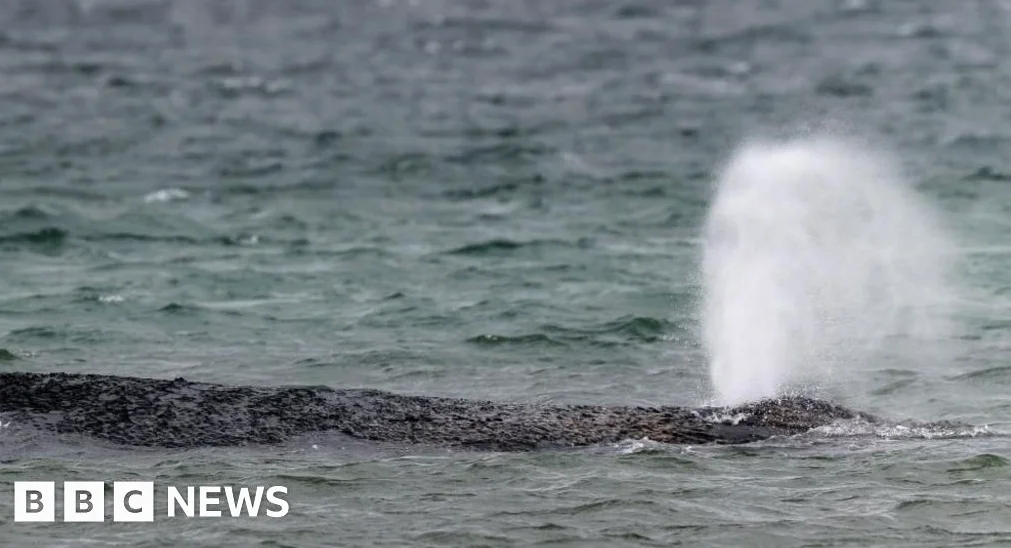
A humpback whale. Measuring between 10 and 12 meters in length, has successfully swum off a sandbank near the coastal city of Lübeck in northern Germany. The mammal had been stranded for several days in the shallow waters of Lübeck Bay after being spotted near the resort of Timmendorfer Strand on Monday. The rescue efforts. Which involved multiple teams and specialized equipment, have now concluded as the whale appears to have found its way back to deeper waters.
Rescue Efforts and Challenges
The whale was first observed stranded on a sandbank in the early hours of Monday, prompting an immediate response from local authorities and marine experts. Over the course of the week. Several attempts were made to guide the animal back into the open sea, but the task proved difficult due to the shallow waters and the whale’s size. On Thursday. Two diggers were deployed to dredge a channel, creating a path for the whale to move into deeper water.
Biologist Robert Marc Lehmann. Who participated in the efforts. Emphasized the importance of keeping the whale in open water. He said. ‘The mammal is not yet safe and it is key that it remains in open water and eventually swam out into the wider Baltic Sea.’ His words highlighted the delicate nature of the rescue operation and the need for continued monitoring of the whale’s movements.
Stephanie Gross. From the Institute for Terrestrial and Aquatic Wildlife Research, confirmed that the whale had moved off the sandbank. She reported that a colleague was in an inflatable boat alongside the animal, ensuring its safety and guiding it toward deeper waters. The whale was being escorted by several boats about 300 meters off the coast as of early Friday.
Impact on Local Communities and Environment
The stranded whale had drawn significant attention from local residents and visitors to the area. The rescue operation, which involved multiple agencies and volunteers, showed the challenges of dealing with large marine animals in shallow coastal waters. For nearby communities, the event was both a cause for concern and a reminder of the need to protect marine life in the Baltic region.
The Baltic Sea is known for its shallow waters, which can make it a difficult environment for large whales to handle. This incident has reignited discussions about the need for better coordination between local authorities and marine conservation groups in the region. Local officials have stated that the number of stranded marine animals has increased slightly in recent years, prompting calls for more resources to be allocated to such rescue operations.
Its appearance in the Baltic Sea is unusual, and experts are still trying to determine whether it is a rare visitor or a result of changes in migration patterns. The humpback whale, which is typically found in the North Atlantic and Pacific Oceans, is a migratory species. The event has also raised awareness among the public about the importance of preserving marine habitats and the need to respond quickly to such emergencies.
As of now, the whale has successfully moved off the sandbank and is believed to be swimming in deeper waters. However, the rescue teams will continue to monitor its movements to ensure it reaches open sea. If the whale is still in the area, further efforts may be needed to guide it away from the shallow waters of Lübeck Bay.
Local authorities have confirmed that the rescue operation is now complete, but they are urging the public to keep an eye out for the whale and report any sightings. Marine experts are hopeful that the animal will continue on its journey and return to its natural habitat.
The incident serves as a reminder of the delicate balance between human activity and marine life in coastal regions. As the climate continues to change, the migration patterns of marine animals may shift, leading to more frequent encounters between whales and human populations in areas not typically associated with their habitats.
For now, the focus remains on ensuring the whale’s safe passage and the continued protection of marine life in the Baltic region. The successful outcome of this rescue effort has been a relief for those involved and a testament to the dedication of the teams who worked tirelessly to save the animal.






Comments
No comments yet
Be the first to share your thoughts