

 World Headlines
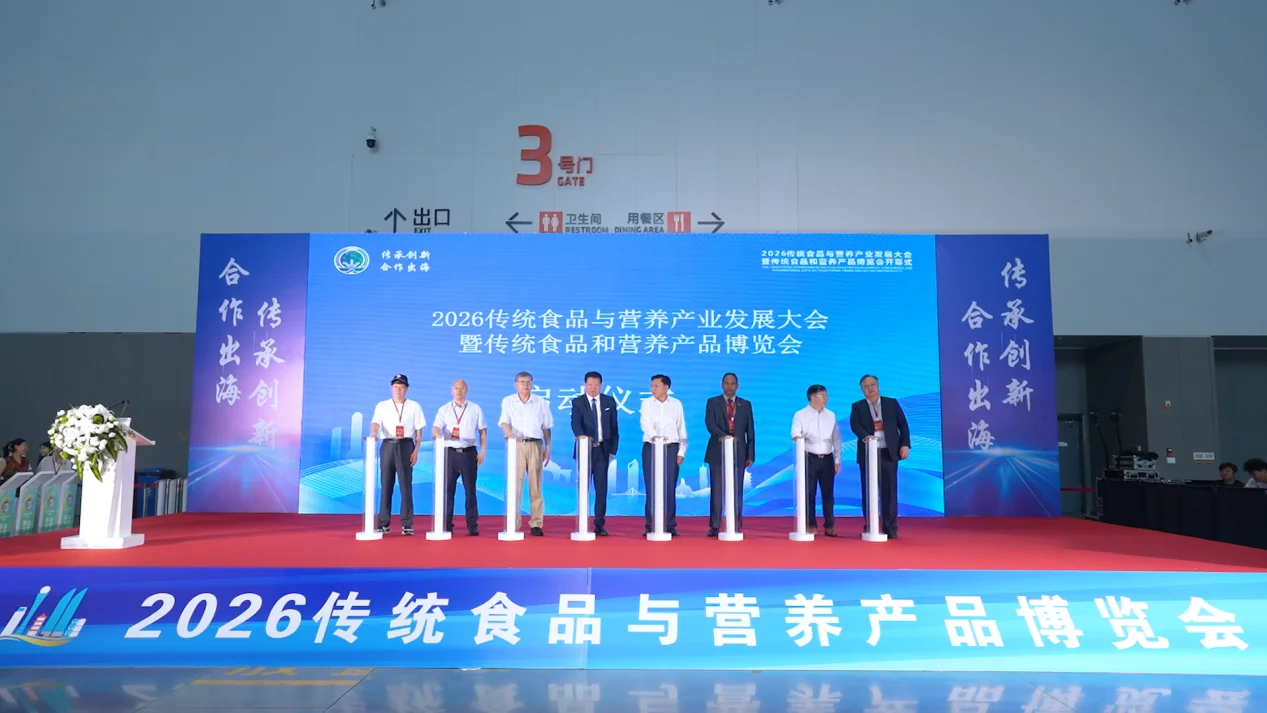
 China’s traditional-food industry laid out a shared plan for taking its products overseas at a conference and expo in Xiamen on June 5, where a 23,000-square-meter trade show drew more than 400 exhibitors.
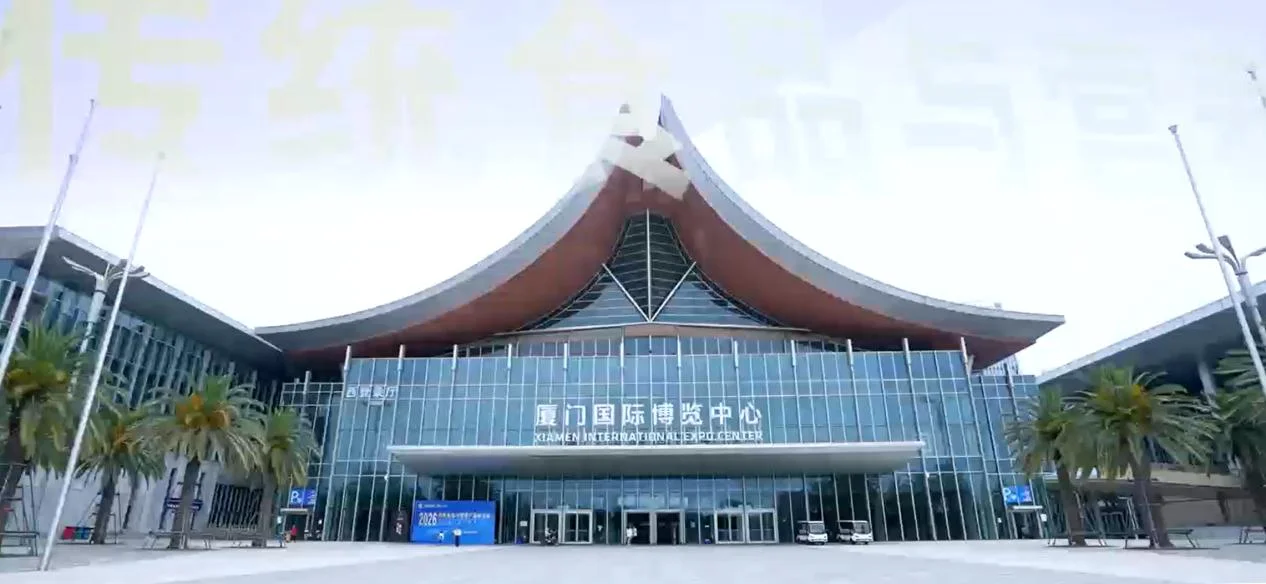
Held at the Xiamen International Expo Center under the theme “Heritage and Innovation, Collaboration for Going Global,” the 2026 Global Traditional Food and Nutrition Industry Development Conference and Expo covered food, beverages, liquor, condiments and prepared meals. Nine industry bodies co-hosted it, among them the China General Chamber of Commerce, the China Food and Drug Corporation Quality and Safety Promotion Association, the National Public Nutrition Improvement Project Office, the China National Research Institute of Food and Fermentation Industries, the Asia-Pacific Trade Agreement Chamber of Commerce and Industry and the China Chamber of Commerce to the EU.
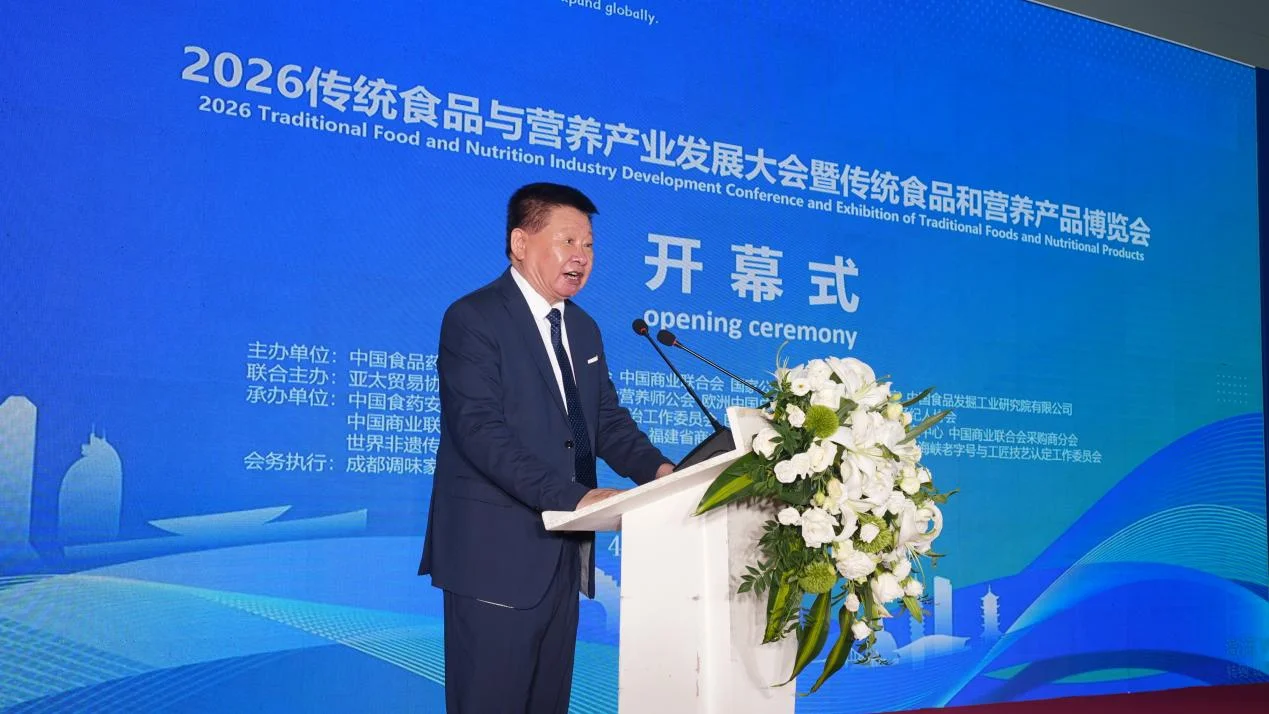
The conference’s main outcome was a development framework the organizers called “nine-fold coordination,” a set of nine measures aimed at the bottlenecks holding back the sector’s overseas push. It calls for grassroots ecosystem-building, stronger scientific grounding for traditional methods, a greater market orientation, digitalization, standardization, traceability, branding, lasting cooperation mechanisms and internationalization. Each measure is paired with a problem it is meant to address — among them weak research support, insufficient food-safety trust, low-price homogeneous competition, fragmented cross-border cooperation and a weak voice in international markets.
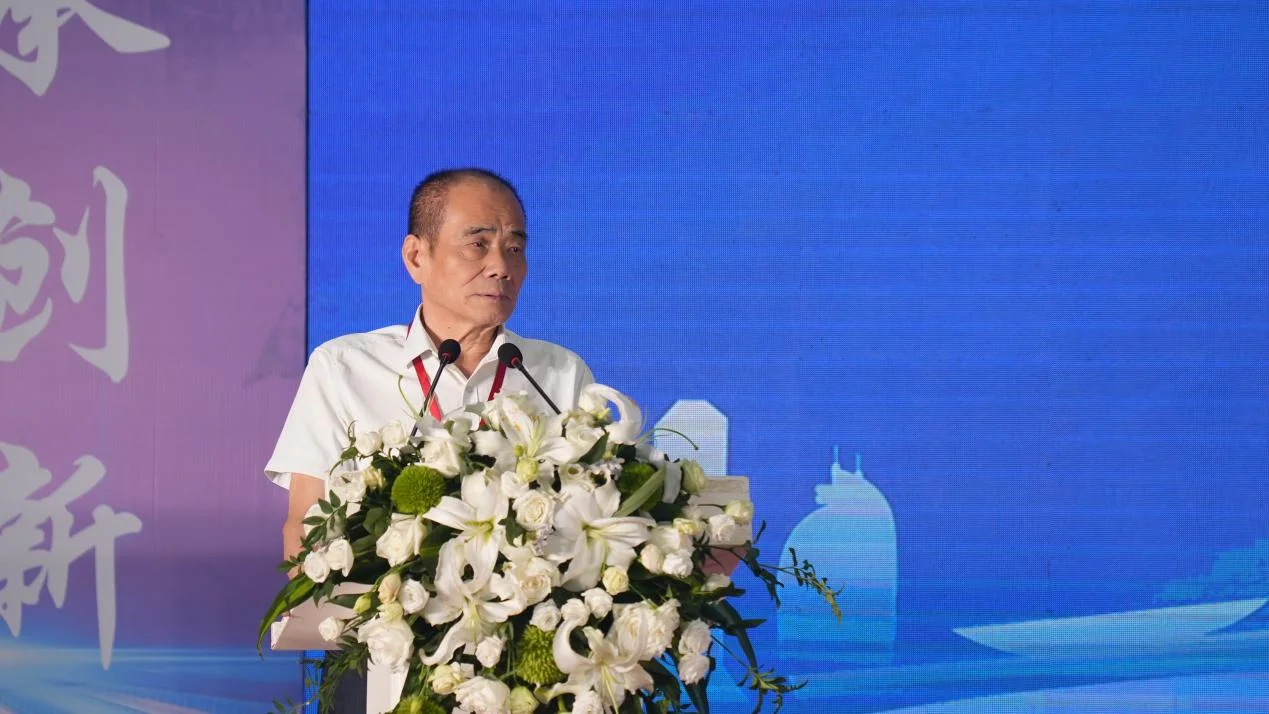
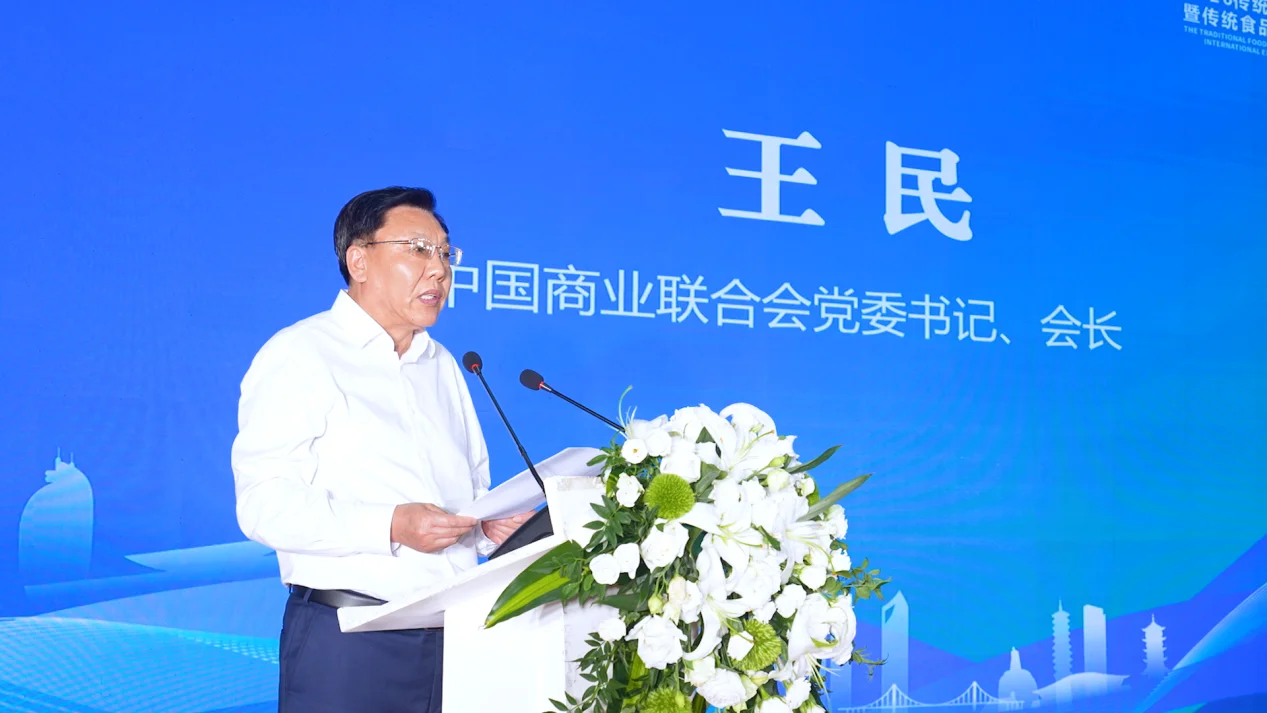
“Traditional food is the carrier of a thousand-year farming civilization and the taste-memory of a national culture,” said Wang Min, party secretary and president of the China General Chamber of Commerce. He made three recommendations: preserve the industry’s heritage roots, drive innovation, and deepen open cooperation.
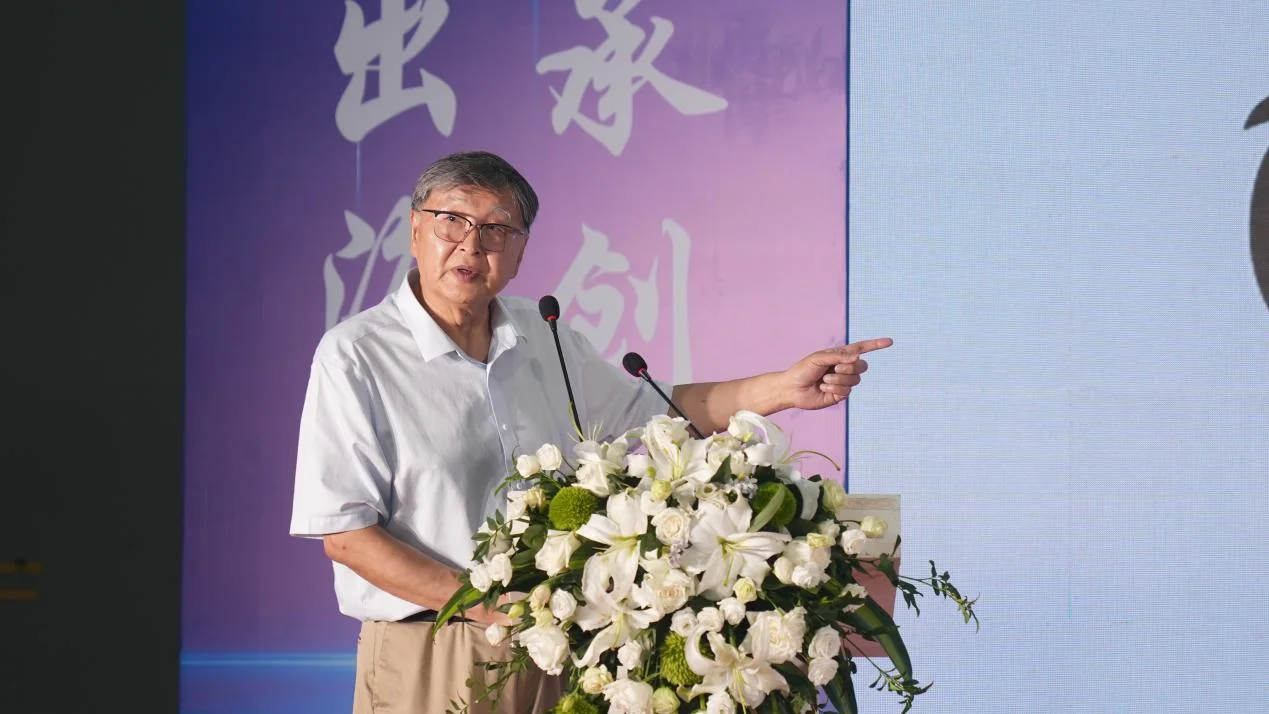
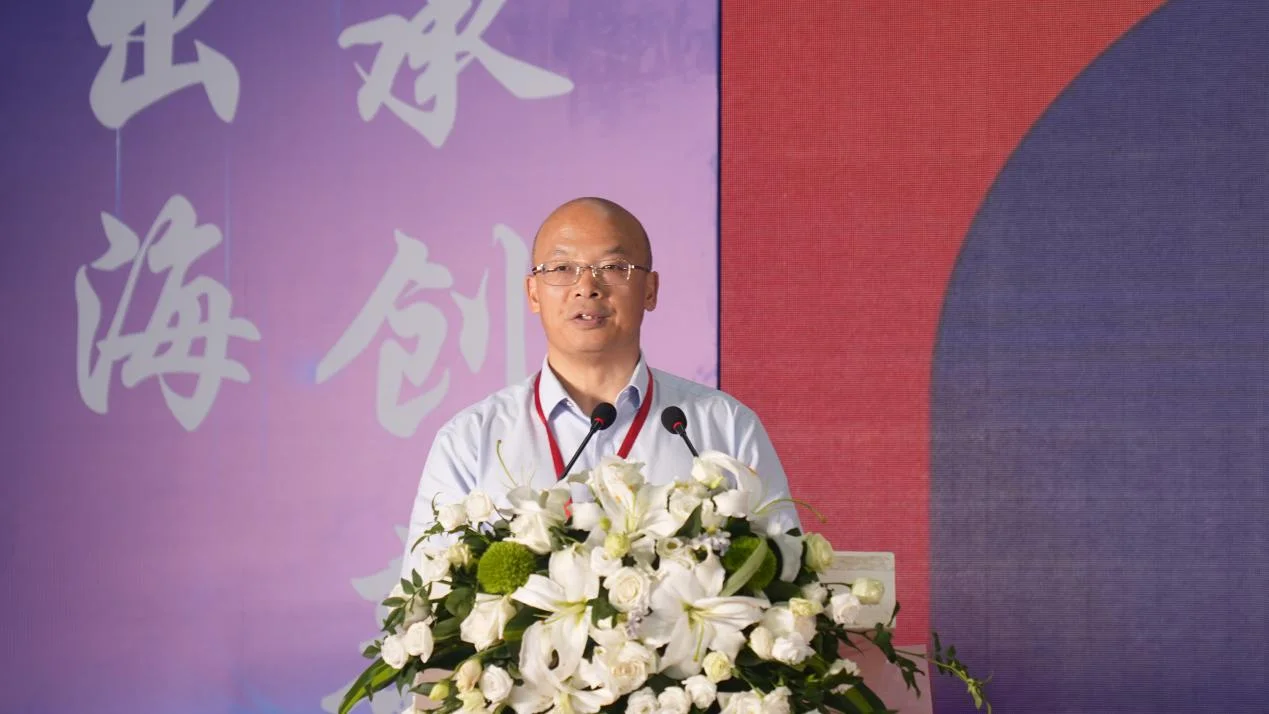
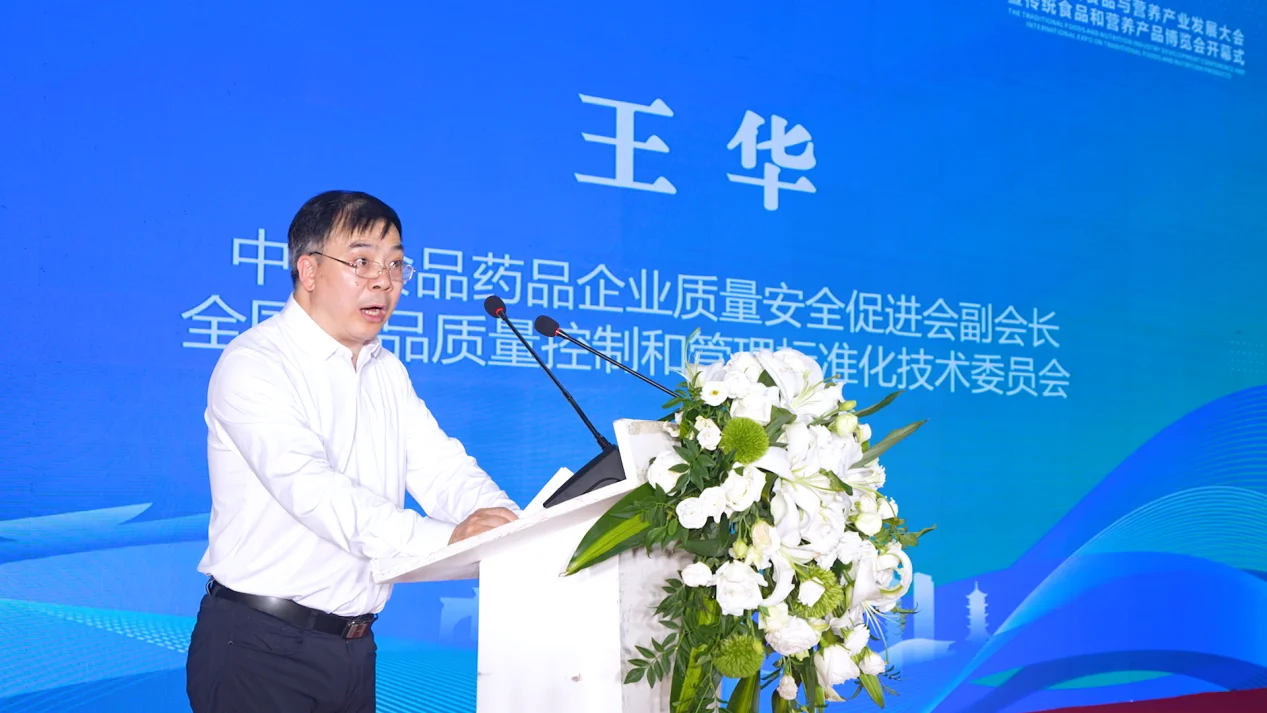
Wang Hua, vice president of the China Food and Drug Corporation Quality and Safety Promotion Association, described the conference as a high-end platform for sharing global resources, integrating the industry, advancing technological innovation and connecting trade.
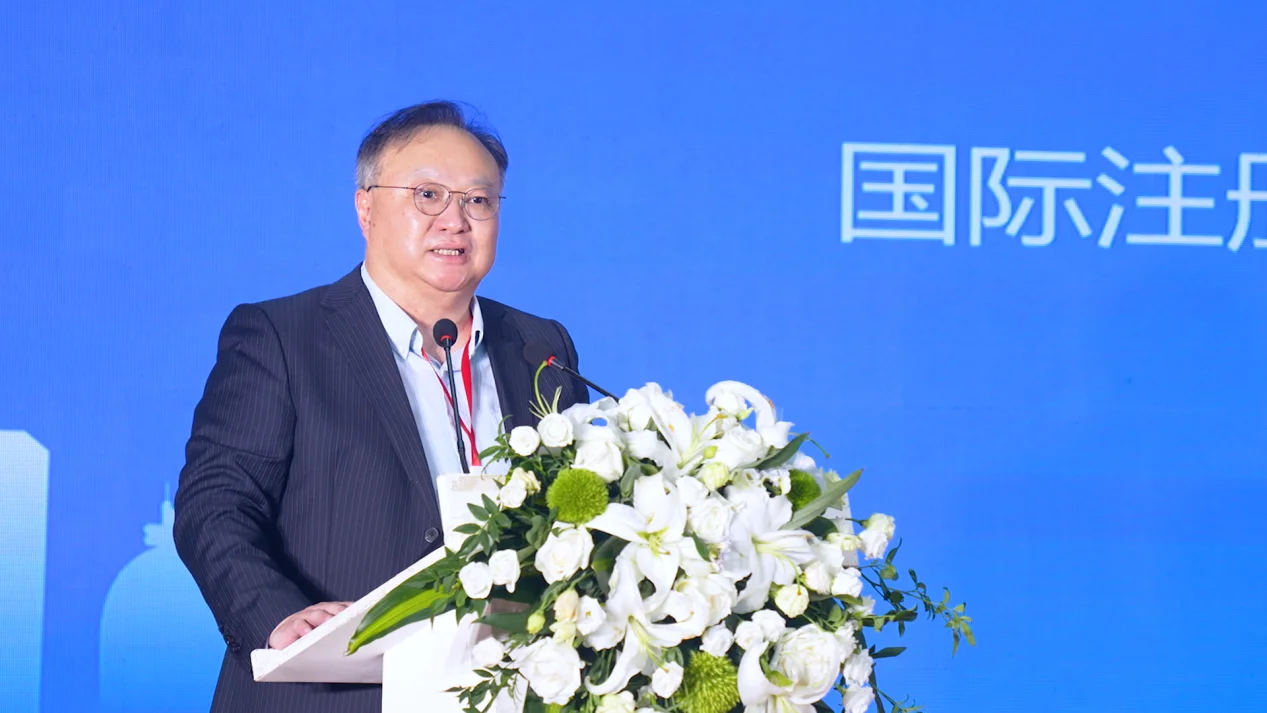
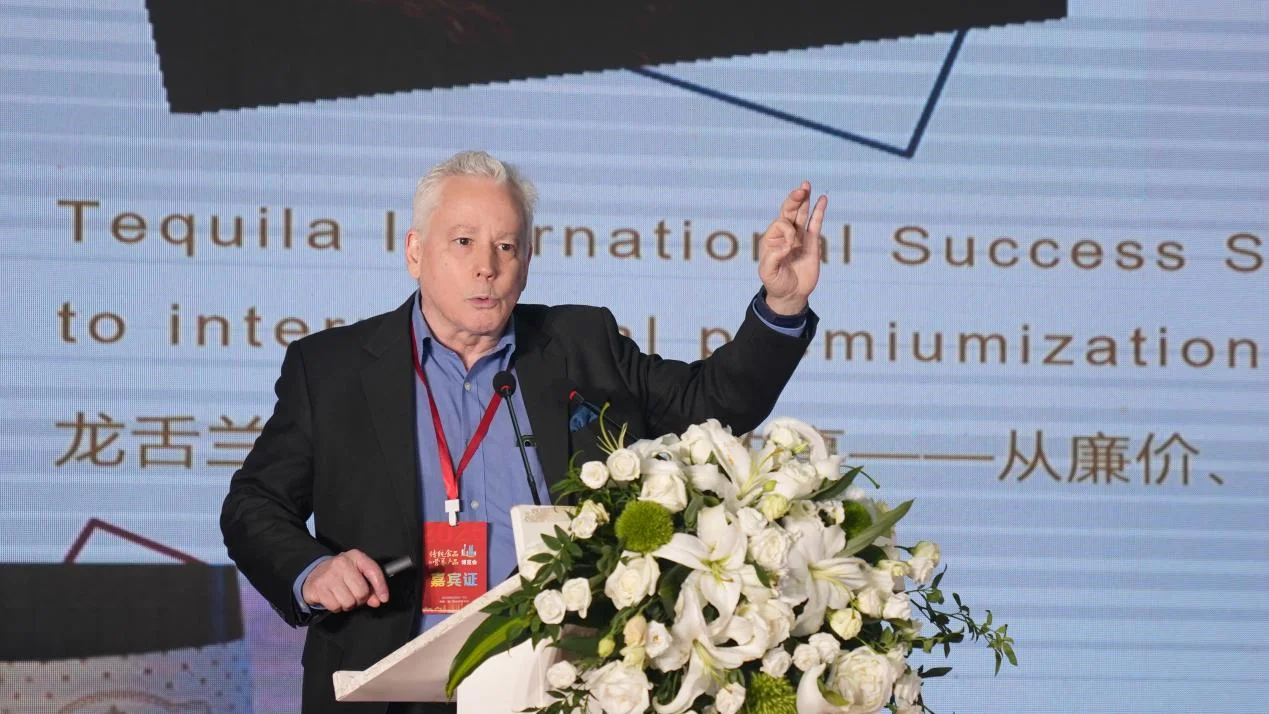
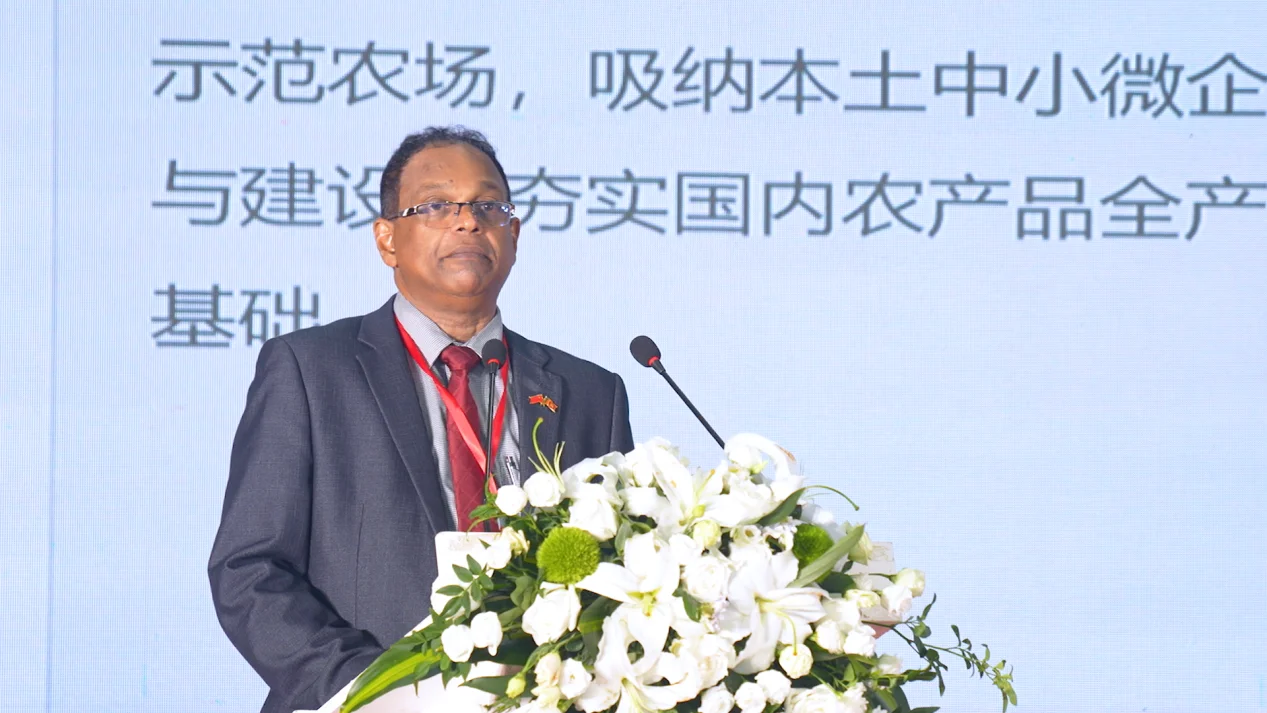
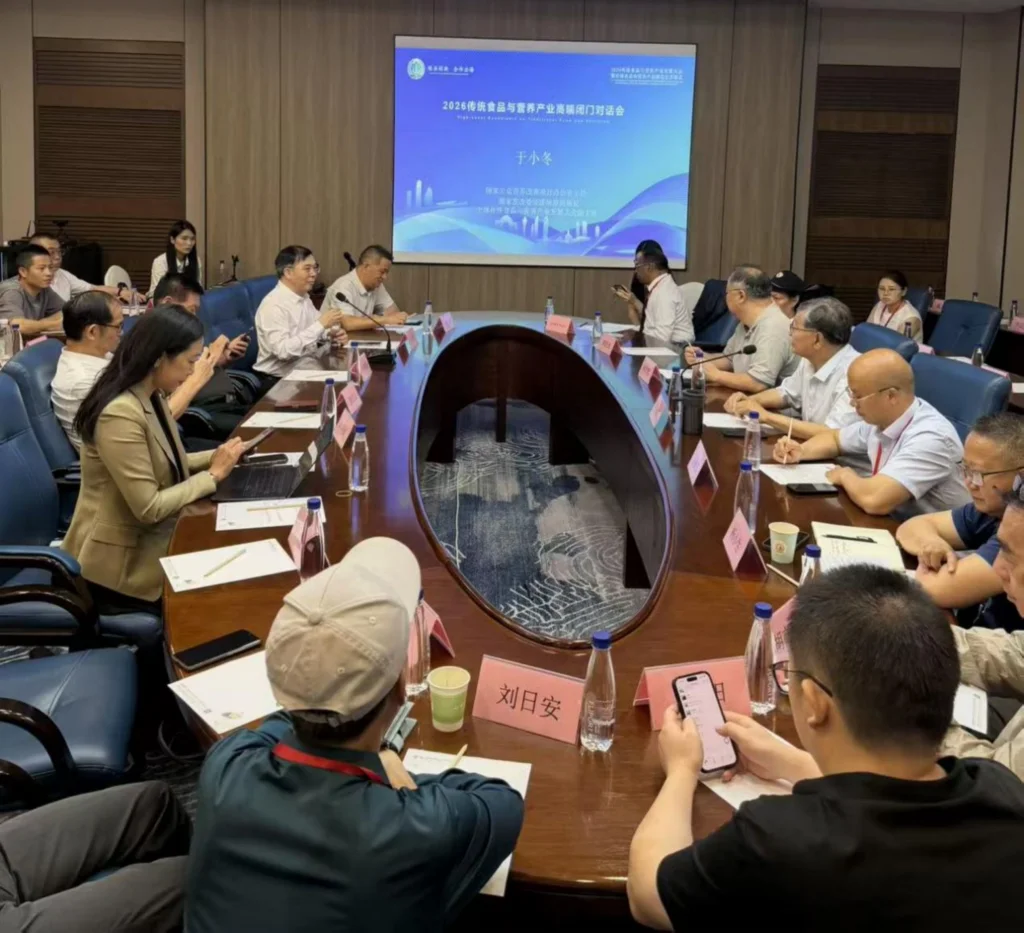
The program brought together officials and executives from China and abroad. Wang Yanguo, chairman of the Asia-Pacific Trade Agreement Chamber of Commerce and Industry, presided over the opening ceremony. Other speakers included Yu Xiaodong, head of the National Public Nutrition Improvement Project; Wang Deliang, chief expert and vice president of the China National Research Institute of Food and Fermentation Industries; Lin Cunmo, vice president of the Association of Certified Professional Nutritionists; and Ajith D. Perera, secretary-general of the Sri Lanka-China Business Cooperation Council and the chamber’s rotating chair.
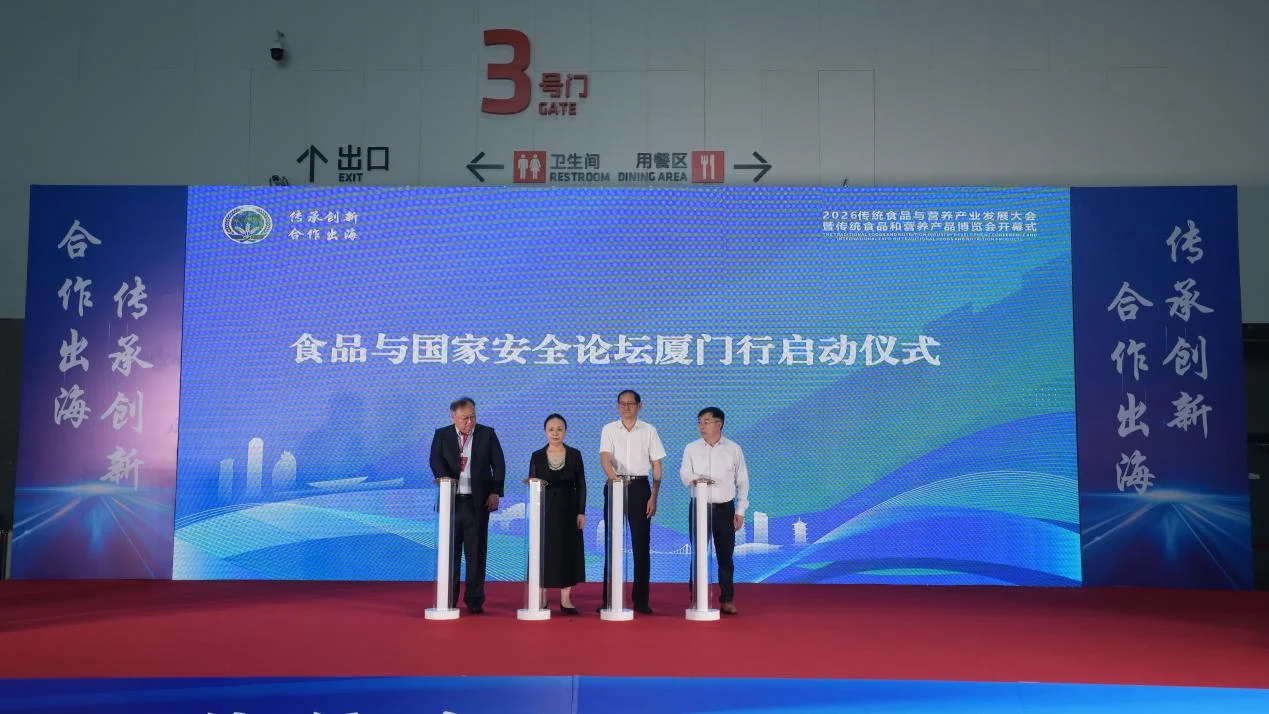
Several initiatives launched at the event. Organizers started a “Food and National Security Forum” national tour, signed a national food-safety big-data public service platform, and opened the 2026 Traditional Food and Nutrition Products Expo. Sichuan Houquan Ecological Food revealed a brand strategy and signed strategic partnerships with China Eye Valley, JD Fresh, BOE Art Cloud and Huatang Yunshang.
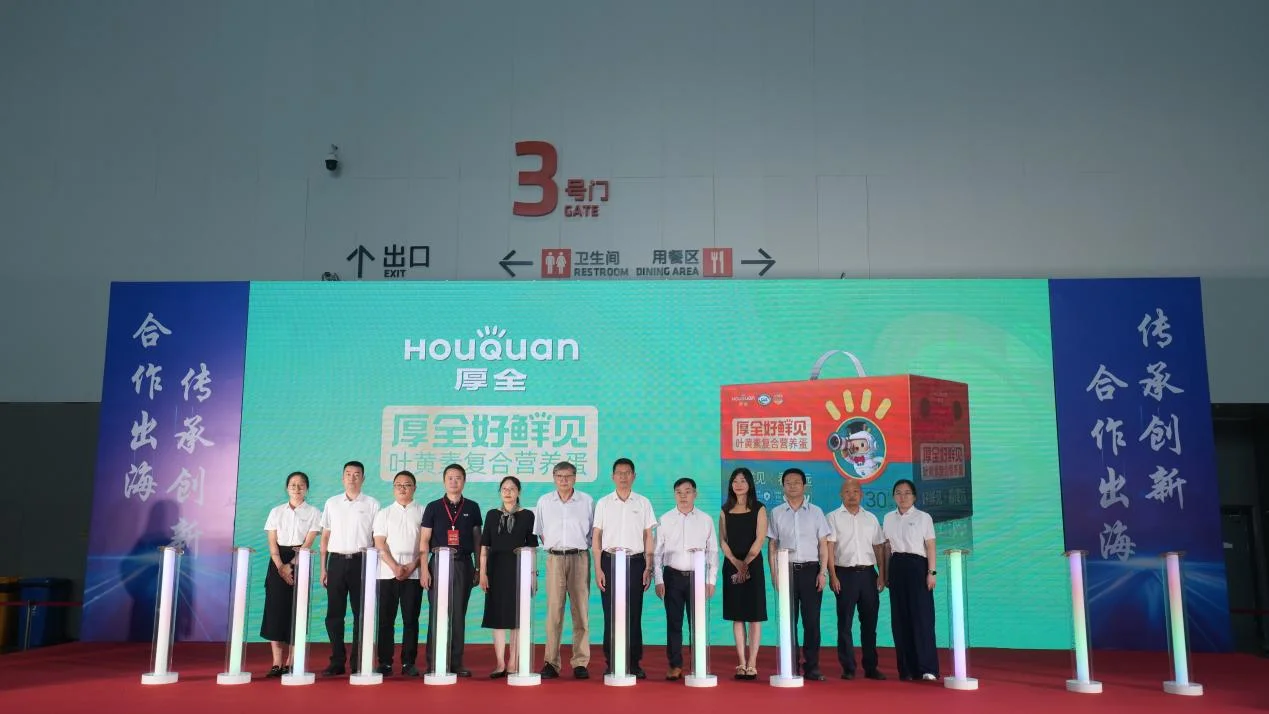
The parties closed with a pledge to work together, deepen the real economy, jointly expand markets, set rules together and share the future.
Sourced from Mazu Chinese Official Website (mazucn.com). Originally published June 8, 2026.






Comments
No comments yet
Be the first to share your thoughts