

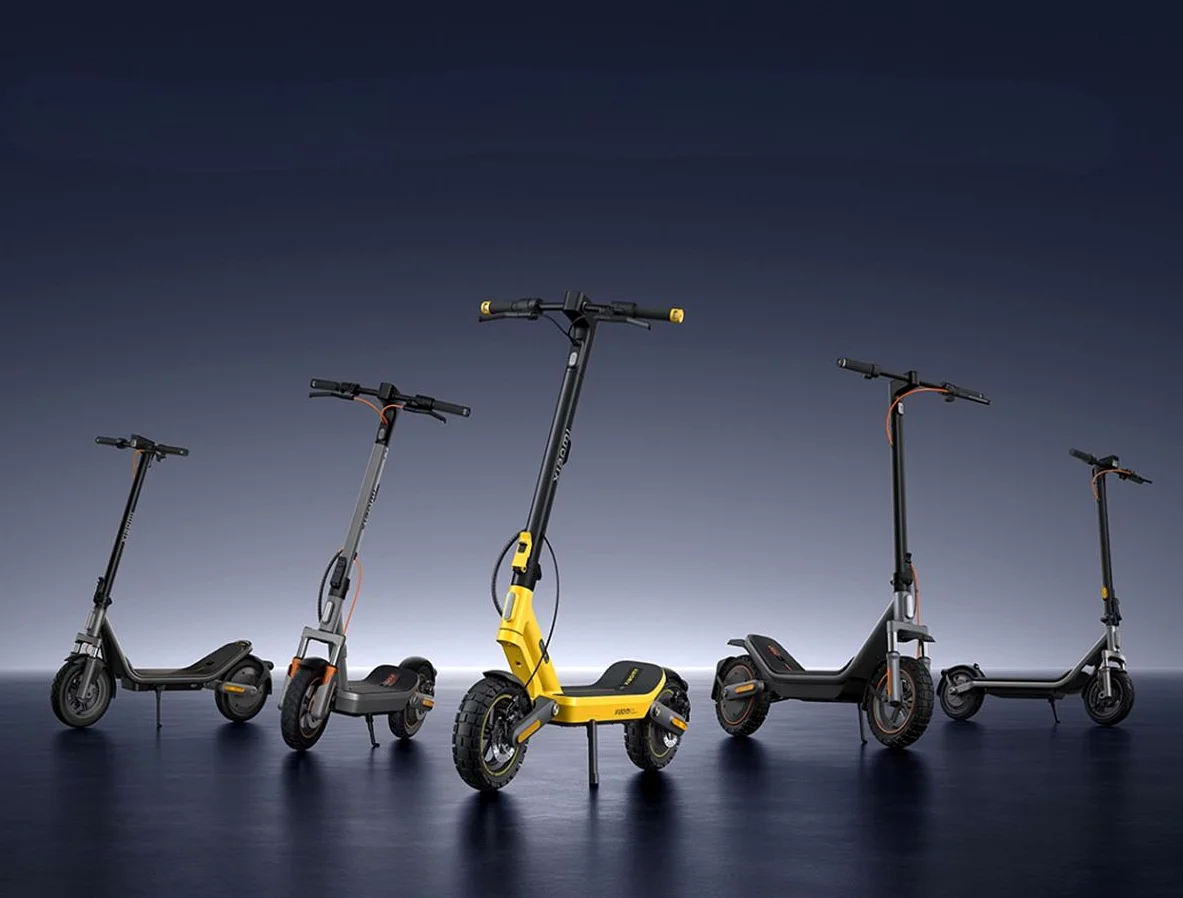
Xiaomi has expanded its footprint in the European electric scooter market with the official launch of five new models under its Electric Scooter 6 series. The models, which include the Lite, standard, Pro, Max, and Ultra variants, were revealed at Xiaomi’s February 2026 launch event and are now available on the brand’s global website.
Model Variants and Specifications
The Xiaomi Electric Scooter 6 series offers a range of options tailored to different consumer needs and budgets. The entry-level model, the Xiaomi Electric Scooter 6 Lite, features a 300W motor with a 500W peak power output, enabling a top assistance speed of 25 kph (16 mph). It is equipped with 10-inch tires, a front drum brake, and rear ABS, and is rated for light exposure to water with an IPX4 rating. The built-in battery is estimated to provide a range of 25 km (16 miles).
At the higher end of the range is the Xiaomi Electric Scooter 6 Ultra, which boasts a powerful 1,200W peak power motor. Despite this increase in power, the top assistance speed remains at 25 kph (16 mph). The Ultra model is designed for more rugged use, featuring larger 12-inch all-terrain tires, dual suspension, and a maximum range of 75 km (46 miles). It also carries an IPX6 water resistance rating, making it suitable for riding through puddles and light rain.
Market Positioning and Consumer Appeal
Xiaomi’s new electric scooter lineup is positioned to capture a growing segment of the European market, where demand for eco-friendly and cost-effective transportation options continues to rise. The company has strategically differentiated each model to cater to various user preferences, from casual city commuters to those requiring more strong performance for varied terrain.
The Electric Scooter 6 Pro, which sits between the standard and Max models, is expected to offer enhanced features such as improved battery life and more advanced braking systems. The Max variant, with a 600W peak power motor, is likely aimed at users who require greater power for hilly areas or longer commutes.
These models are part of Xiaomi’s broader strategy to dominate the smart mobility sector. The company has already made inroads in markets such as China and India with its affordable and feature-rich electric scooters, and the European launch represents a significant step in its global expansion.
Impact on the Electric Scooter Market
The introduction of the Xiaomi Electric Scooter 6 series is expected to intensify competition in the European electric scooter market, which has seen a surge in demand over the past few years. According to a 2025 report by the European Cyclists’ Federation, the number of e-scooter users in urban areas has grown by over 30% annually, driven by factors such as urban congestion, environmental concerns, and the rising cost of public transport.
Analysts predict that Xiaomi’s new models could disrupt the market by offering a compelling balance of performance and price. The entry-level Lite model, for example, is expected to retail for around €350, which is significantly lower than many of its European competitors. This pricing strategy could make the Xiaomi scooters more accessible to a wider demographic, particularly younger urban professionals and students.
“Xiaomi is making a strong play for market share in Europe with this launch,” said Alex Chen, an analyst at TechMobility Insights. “The range of models and the price points they offer could be a game-changer for the e-scooter industry in the region.”
The European Union has also introduced new regulations for e-scooters, including mandatory safety features and speed limits. Xiaomi’s models, which comply with these regulations, are well-positioned to meet the needs of consumers and regulatory bodies alike.
With the Electric Scooter 6 series now available in Europe, Xiaomi is ready to challenge established brands such as Segway-Ninebot, Xiaomi’s own parent company, and other major players in the e-scooter space. The company’s ability to scale production and maintain its reputation for affordability could determine its success in this competitive market.






Comments
No comments yet
Be the first to share your thoughts