

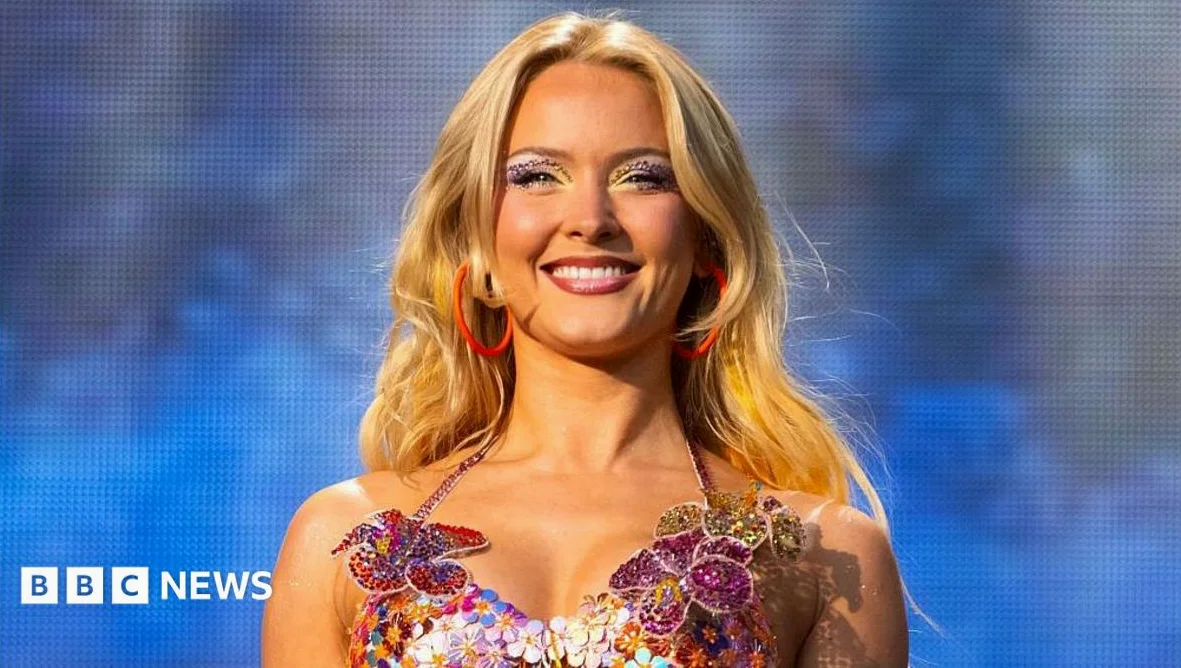
Zara Larsson has condemned the White House for using her song ‘Midnight Sun’ in a TikTok video that appeared to depict immigration enforcement actions. The video, captioned ‘never ending deportations’, a reference to the song’s lyrics about the ‘never-ending midnight sun’ — has sparked backlash from the Swedish singer and other artists. The song has since been removed from the post, but the video remains visible on the White House’s TikTok account.
Artist Condemns Dehumanizing Use of Music
In a three-minute reaction video posted on social media, Larsson described the White House’s use of her music as ‘dehumanising.’ She joined a growing list of artists, including Sabrina Carpenter and Ariana Grande, who have told the Trump administration to stop using their songs in political messaging. The video has already received over 4.2 million views on TikTok.
Larsson shared a clip of the original White House video, which splices together footage of Immigration and Customs Enforcement (ICE) agents and other US law enforcement personnel handcuffing individuals and placing them in vehicles. She then cut to a selfie video of herself making an ‘L’ shape with her fingers against her forehead, a gesture commonly associated with ‘cool’ or ‘lit’ in online culture.
Concern for Undocumented Individuals
Larsson emphasized that the people featured in the video are real people. ‘The vast majority of these people who are undocumented are regular people with jobs and they’re just trying to have a better future,’ she said. She criticized the White House for using her music to create a ‘meme’ effect and to ‘sow division,’ arguing that the lyrics of ‘Midnight Sun’ are about ‘a connection between people and nature,’ not division or controversy.
The BBC has reached out to the White House for comment. Earlier this year, Larsson also condemned a video of former President Donald Trump dancing at various events, which had been overlaid with her hit ‘Lush Life.’
Broader Trend of Artist Backlash
Larsson’s criticism is part of a broader trend where artists are pushing back against the use of their music in political messaging. The White House’s TikTok account has been a focal point for this trend, as the platform is widely used by younger audiences and often features viral content. The use of pop songs in enforcement-related videos has been criticized for reducing serious issues to memes and trivializing the experiences of undocumented individuals.
While the White House did not immediately respond to the BBC’s request for comment, the controversy highlights ongoing tensions between artists and political actors over the use of music in public messaging. Larsson and others argue that the use of their songs in such contexts undermines the messages of unity, hope, and connection that their music is meant to convey.

Comments
No comments yet
Be the first to share your thoughts