

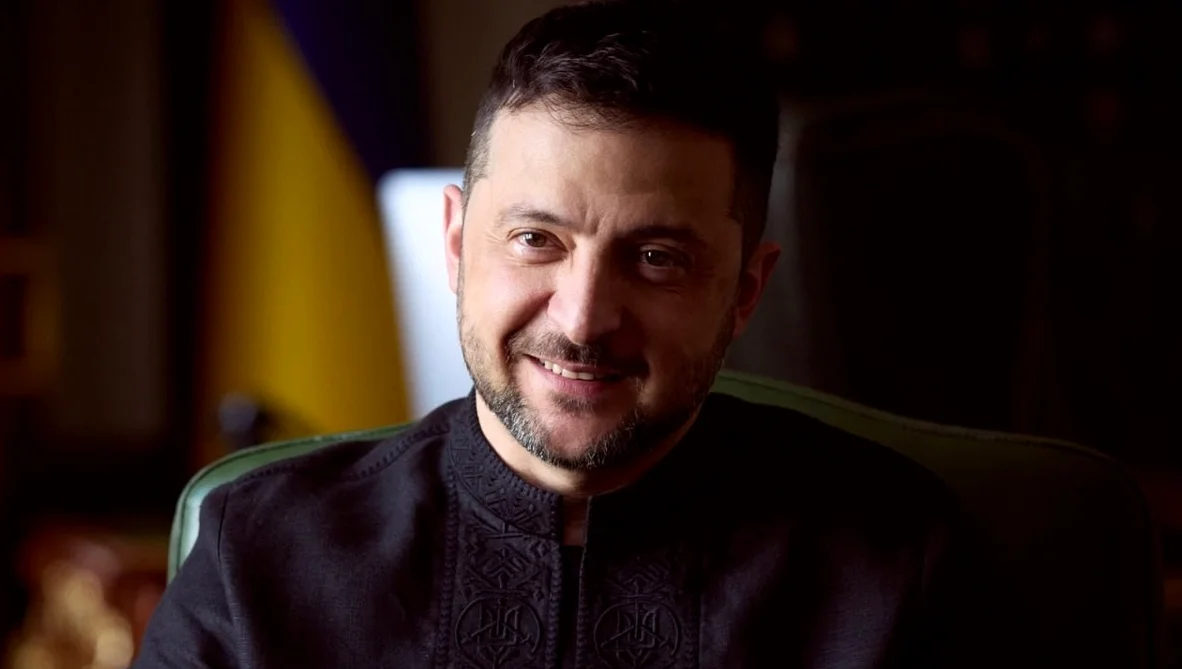
Ukrainian President Volodymyr Zelenskyy made a bold claim during a speech to the British Parliament on Tuesday, stating that Ukrainian forces had recaptured more territory in the past 30 days than Russia had captured during the same period. Zelenskyy highlighted the liberation of Kupiansk, a major city in the Kharkiv region, which is now under Ukrainian control. This declaration comes amid a series of successful counteroffensives by Ukrainian forces that have shifted the momentum of the war in recent weeks.
Strategic Gains and Territorial Reclaim
According to Zelenskyy, the Defense Forces have made significant progress in reclaiming territory from Russian forces. On February 23, Commander-in-Chief of the Armed Forces of Ukraine, Oleksandr Syrsky, reported that Ukrainian soldiers had liberated 400 square kilometers of territory in southern Ukraine since the end of January. This figure was later expanded upon by Zelenskyy, who stated on March 3 that the Defense Forces had recaptured 460 square kilometers of Ukrainian territory since the beginning of the year.
Zelenskyy’s remarks reflect a growing confidence in the effectiveness of Ukrainian military operations. The recapture of key cities such as Kupiansk and the surrounding areas has not only provided a strategic advantage but also served as a morale booster for Ukrainian troops and civilians. These gains are part of a broader counteroffensive that has been ongoing since late 2022, with varying degrees of success.
The liberation of these areas has had tangible effects on the ground. Local residents who had been displaced by Russian forces have begun returning to their homes, and Ukrainian authorities have restored essential services in the reclaimed territories. This has been a critical step in stabilizing the region and preventing further Russian advances.
What Analysts Say About the Territorial Gains
Experts and military analysts have been closely watching the developments in eastern and southern Ukraine, where the most intense fighting has occurred. According to a report from the Institute for the Study of War, Ukrainian forces have been using improved coordination and logistics to conduct more effective counterattacks. This has allowed them to not only reclaim lost territory but also disrupt Russian supply lines and command structures.
“The recent territorial gains indicate that Ukraine is adapting to the evolving battlefield conditions,” said a military analyst with the International Institute for Strategic Studies. “The success of these counteroffensives is not just about reclaiming land, but also about degrading the Russian military’s ability to sustain its operations in the long term.”
The recapture of 460 square kilometers of territory since the beginning of the year represents a significant shift in the conflict. While Russia has made some advances in other parts of the country, Ukraine’s ability to reclaim more land than it has lost is a rare and notable achievement. This has also been recognized by Western allies, who have increased their military and financial support for Ukraine in response to the changing dynamics on the battlefield.
Analysts note that these gains may also influence the international community’s perception of the war. With more visible success on the ground, Ukraine may be able to secure additional support from NATO countries and other partners. However, the war remains far from over, and the next phase of the conflict will likely involve continued heavy fighting and strategic maneuvering.
Significance for Ukrainian Civilians and the Broader Conflict
The territorial recaptures have had a direct impact on the lives of Ukrainian civilians. In areas like Kupiansk, residents who had fled due to Russian occupation are now returning to their homes, which has helped to restore a sense of normalcy and stability. Local infrastructure, including schools and hospitals, is being rebuilt with the support of Ukrainian authorities and international aid organizations.
However, the conflict has also brought significant hardship. According to the United Nations, over 8 million people in Ukraine are in need of humanitarian assistance. The ongoing war has displaced thousands of families and caused widespread damage to cities and villages. Despite the recent military successes, the situation on the ground remains challenging, and many civilians continue to face uncertainty about their future.
Zelenskyy’s claim that Ukraine has recaptured more territory than Russia has captured in the past 30 days is a powerful message, both domestically and internationally. It highlights the resilience of the Ukrainian people and their determination to reclaim their country. However, it also highlights the ongoing nature of the conflict, with both sides still engaged in a protracted struggle for control of key regions.
As the war continues, the international community is closely watching the developments in Ukraine. The next phase of the conflict will likely involve further military operations, diplomatic negotiations, and increased support from Western allies. With the recent territorial gains, Ukraine may be in a stronger position to negotiate from a position of strength, but the road ahead remains uncertain.






Comments
No comments yet
Be the first to share your thoughts