

 BBC
BBC 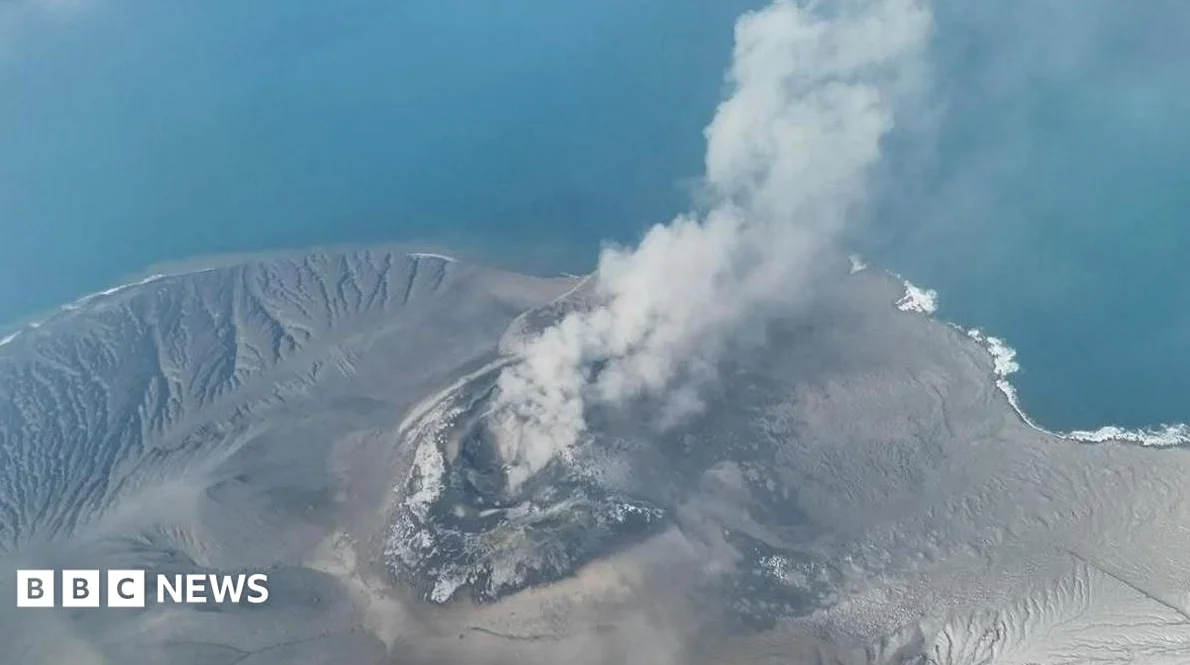
More than 150,000 passengers have been stranded after a volcanic eruption forced Indonesian authorities to temporarily suspend operations at six airports, according to BBC; Jakarta’s Soekarno-Hatta International Airport was the first to be closed on Sunday morning after ash from Anak Krakatau was detected in airspace near the airport.
Flight Disruptions and Airport Closures
Transport minister Dudy Purwagandhi said so far 467 flights have been affected and asked airlines to consider diverting some flights to other airports; the volcano had started erupting late on Friday night, generating continuous seismic activity, lava fountains, and booming sounds across surrounding regions. Two more eruptions happened early on Sunday, authorities said.
The transport ministry said the pause in operations mainly affected flights to and from Singapore, also other international routes including Doha, Sydney and Kuala Lumpur; Purwagandhi said the decision to temporarily close more airports was made after tests found that volcanic ash had spread towards West Java.
Health Advisories and Local Impact
He urged airlines to speed up processes for refunding tickets for passengers who have been affected by flight cancellations, and for airlines to provide timely information to those with upcoming flights to avoid overcrowding at airports. According to Indonesia’s meteorological agency BMKG, ash reached as far as 20,000ft (6,000m) on Java on the east of the volcano, and 50,000ft (15,000m) west of the volcano on the Sumatra side.
Authorities have confirmed there is no tsunami warning linked to the recent activity of the volcano, which is in the Sunda Strait between the islands of Java and Sumatra. The health minister has urged residents in affected areas to stay indoors and wear face masks to protect against respiratory, eye, and skin risks.
According to local newspaper Kompas, several schools cancelled activities on Saturday after students and residents reported eye irritations from the ash, while some fishermen had cancelled fishing trips at sea similarly reporting sore eyes. One resident, Aldi Candra Prayogi, told the outlet that he felt since Friday evening and it felt like “small grains of sand had gotten into my eyes,” and that he needs to use eye drops to ease the irritation.
The dust is so thick that he has to sweep the front yard of his house every five minutes, he also said. Anak Krakatau, which means Child of Krakatoa, has been sporadically active since it emerged from the sea at the beginning of last century in the caldera formed after the 1883 eruption of Mount Krakatoa.
Historical and Geological Context
The volcano – also known as Anak Krakatoa – collapsed in December 2018, triggering a huge tsunami which killed over 400 people, and displaced and injured thousands more on the nearby coastlines of Sumatra and Java. Scientists found that some of the chunks of rock that slid from the volcano when it collapsed were about 70-90m high.
Roughly 90% of all earthquakes occur along the area and the ring is dotted with 75% of all active volcanoes on Earth, that’s 452 individual active volcanoes. The Pacific Ring of Fire refers to a string of volcanoes, earthquake sites and tectonic plates around the Pacific — it spreads across 40,000km (25,000 miles) from the southern tip of South America all the way to New Zealand.




Comments
No comments yet
Be the first to share your thoughts