

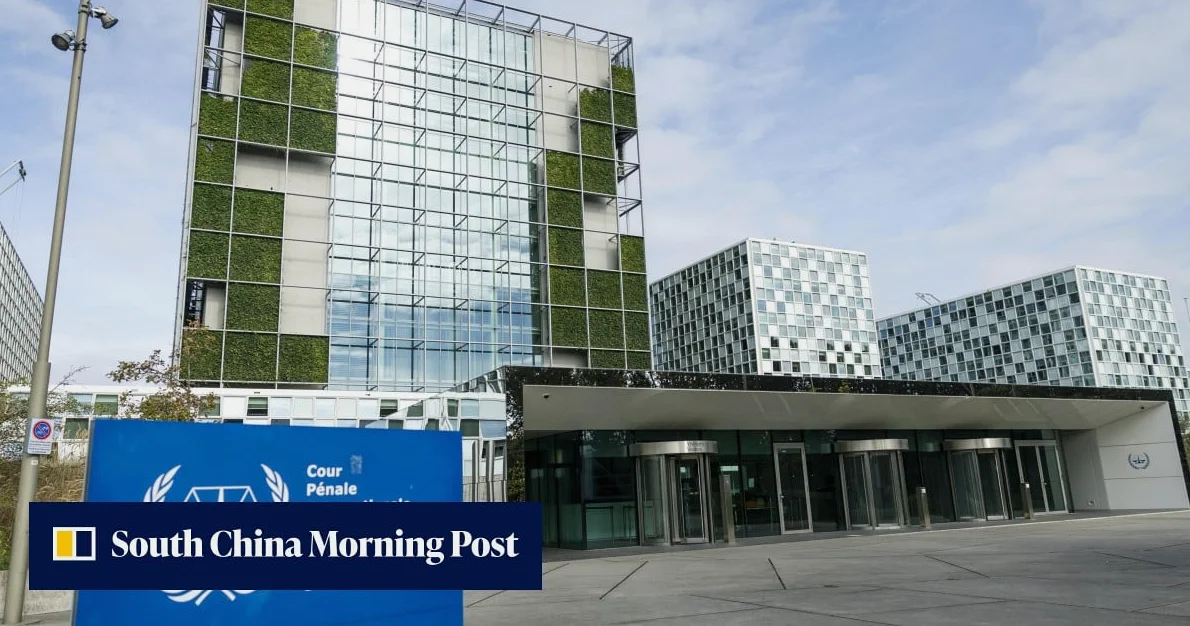
European Parliament President Roberta Metsola said the award reflects the EU’s commitment to multilateralism and international institutions. “The European Union is built on respect for multilateralism and international institutions, and this prize recognises the important work of the court in upholding international law and justice,” she said.
The ICC welcomed the award, calling it particularly significant given the “unprecedented challenges” it faces. “Against this backdrop, the Sakharov Prize carries particular significance, reaffirming the importance of independent judicial institutions and of those who work to uphold international law,” ICC President Tomoko Akane said.
The U.S. has imposed sanctions on the ICC, announced on October 9, 2026, targeting transactions with the court and its officials. U.S. Secretary of State Marco Rubio said the measures aim to “cripple” the court’s operations. “We will ban transactions with this rogue court, cutting off their resources and crippling their ability to operate against us because our message is clear: the United States and the American people are not subject to the jurisdiction of this fake ICC,” he said.
The Trump administration’s hostility toward the ICC intensified after the court issued arrest warrants in 2024 for Israeli Prime Minister Benjamin Netanyahu and former Defence Minister Yoav Gallant for alleged war crimes and crimes against humanity in Gaza. Israel has rejected these allegations. The ICC investigates and tries individuals for war crimes, crimes against humanity, and genocide, and it can act in countries that are parties to the Rome Statute, even if the U.S. is not.
The EU has publicly backed the ICC and is considering a “blocking statute” to shield the court from U.S. sanctions. EU Commission President Ursula von der Leyen said the court must operate independently and without intimidation. “The International Criminal Court must be free to pursue its mission, independently, and without pressure or intimidation,” she said.
This is the second major recognition for the ICC and its supporters this month. On October 9, former ICC judge Navi Pillay was awarded the Nobel Peace Prize for her work in promoting peace and international law.
Named after Soviet dissident Andrei Sakharov, the Sakharov Prize is awarded annually by the European Parliament to individuals or organizations defending human rights and democracy. The ICC was one of three finalists, alongside Tanzanian opposition leader Tundu Lissu and Iranian activist sisters Taraneh and Romina Rahimi.




Comments
No comments yet
Be the first to share your thoughts