

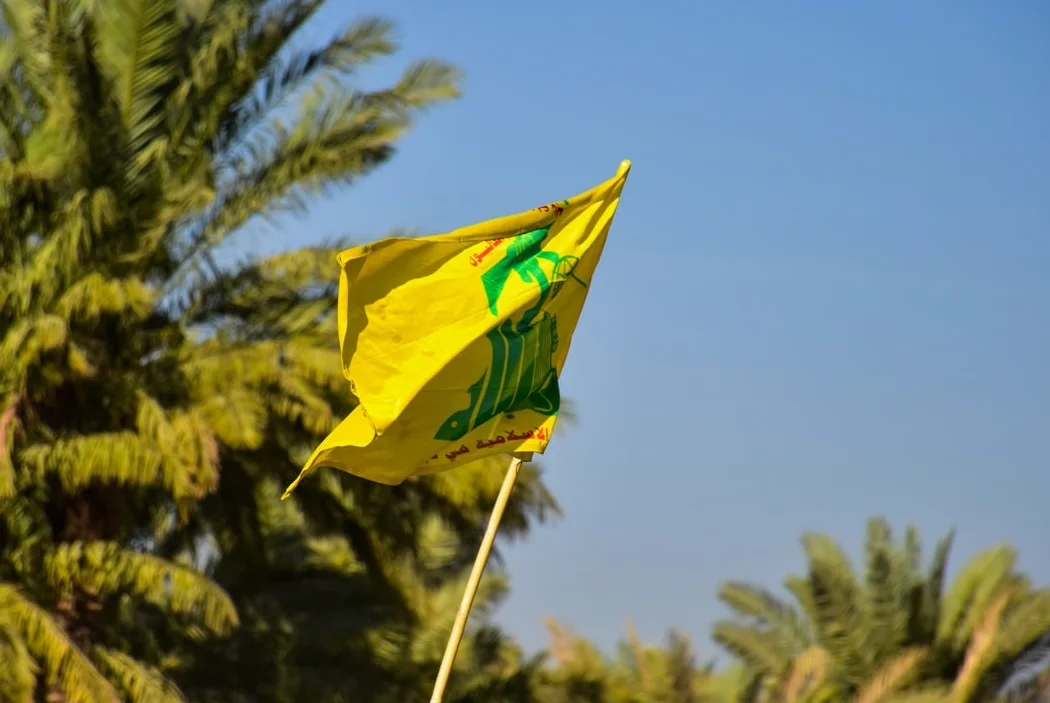
Over 400 Hezbollah fighters have been reported dead in the escalating conflict between Israel and the Lebanese militant group, according to a combination of U.S. and Japanese media reports. The figures come amid a series of military operations and airstrikes that have intensified in the region over the past month.
Israeli Military Operations and Casualties
According to Fine Day 102.3. A U.S. radio station. Sources indicate that more than 400 Hezbollah fighters have been killed in recent Israeli military operations. The report cited unnamed sources close to the Israeli defense ministry, who said the figures are based on a combination of battlefield assessments and intelligence gathered from captured documents. The station noted that the Israeli military has been conducting a series of precision strikes targeting Hezbollah positions in southern Lebanon.
Israeli officials have not officially confirmed the casualty numbers, but the report claims that the military has been using advanced surveillance and drone technology to track and eliminate Hezbollah combatants. According to the station. The Israeli defense forces have been focusing on destroying Hezbollah’s infrastructure, including weapons depots and command centers, in an effort to cripple the group’s operational capacity.
“The Israeli military has been targeting key Hezbollah positions with precision strikes,” said a military analyst quoted by Fine Day 102.3. “These operations are designed to disrupt Hezbollah’s ability to launch attacks into Israel and to degrade their overall strength.”
Hezbollah’s Response and Regional Tensions
According to Japanese news outlet 時事通信ニュース, Israel’s President has called on European nations to support efforts to ‘eradicate’ Hezbollah, citing the group’s continued attacks on Israeli territory. The report noted that the Israeli president spoke to AFP, emphasizing the need for international backing in the ongoing conflict.
Meanwhile, Hezbollah has issued statements condemning the Israeli attacks, calling them disproportionate and targeting civilians. The group has also vowed to continue its resistance against Israeli forces, despite the reported high casualty figures. In a statement. Hezbollah claimed that its fighters have been operating in difficult conditions, but have remained resilient.
“Hezbollah is determined to continue its fight against the Israeli occupation,” said a spokesperson for the group, according to 時事通信ニュース. “We will not back down despite the losses we have suffered.”
The conflict has also drawn regional attention, with Iran and Syria reportedly providing support to Hezbollah. U.S. officials have warned that the situation could escalate further if more countries become involved.
International Reactions and Diplomatic Efforts
According to 時事通信ニュース. The United States has been urging European allies to support Israel’s military actions, while also calling for a de-escalation of hostilities. The report stated that U.S. officials believe that a stronger international stance is needed to prevent the conflict from spreading to other regions.
Meanwhile, European countries have been divided on how to respond — some have expressed support for Israel, while others have called for a more neutral approach. The European Union has issued a statement calling for an immediate ceasefire and a return to diplomatic negotiations.
“The European Union is deeply concerned about the growing violence in the region,” said a spokesperson for the EU, according to 時事通信ニュース. “We call on all parties to exercise restraint and work towards a peaceful resolution to the conflict.”
In Japan, the government has called for increased diplomatic efforts to prevent the situation from spiraling out of control, and Japanese officials have also emphasized the importance of protecting civilians in the region, regardless of which side they are on.
Local Impact and Civilian Casualties
According to 時事通信ニュース. The conflict has had a severe impact on the civilian population in southern Lebanon. Many residents have been forced to flee their homes due to the intense fighting and airstrikes. The report noted that over 150,000 people have been displaced in the region, with many seeking refuge in neighboring countries.
“The situation is extremely difficult for the people of southern Lebanon,” said a local resident, according to 時事通信ニュース. “We are living in fear every day, and our homes and livelihoods are being destroyed.”
International aid organizations have been working to provide relief to those affected by the conflict. The United Nations has launched an emergency response program to assist displaced families and provide basic necessities such as food, water, and medical care.
“We are doing everything we can to help the people in need,” said a UN spokesperson, according to 時事通信ニュース. “But the scale of the crisis is overwhelming, and more support is needed from the international community.”
What’s Next and Forward-Looking Implications
The conflict between Israel and Hezbollah shows no signs of abating, with both sides continuing to engage in military operations. According to Fine Day 102.3, Israeli officials have warned that the military will continue its campaign until Hezbollah is significantly weakened. The station reported that the Israeli defense forces are preparing for a potential ground invasion in the coming weeks.
Meanwhile, Hezbollah has not ruled out the possibility of launching a large-scale attack on Israeli territory. The group has been building up its forces in anticipation of a major offensive. The situation remains highly volatile, with the risk of further escalation increasing by the day.
“The next phase of the conflict could be even more dangerous,” said a military analyst quoted by Fine Day 102.3. “Both sides are preparing for a prolonged battle, and the region could become the new flashpoint for a larger war.”
As the conflict continues, the international community is closely watching the situation. Diplomatic efforts are ongoing, but it remains to be seen whether they will be successful in preventing further violence. The outcome of this conflict could have far-reaching implications for the region and beyond.






Comments
No comments yet
Be the first to share your thoughts