

 Guardian
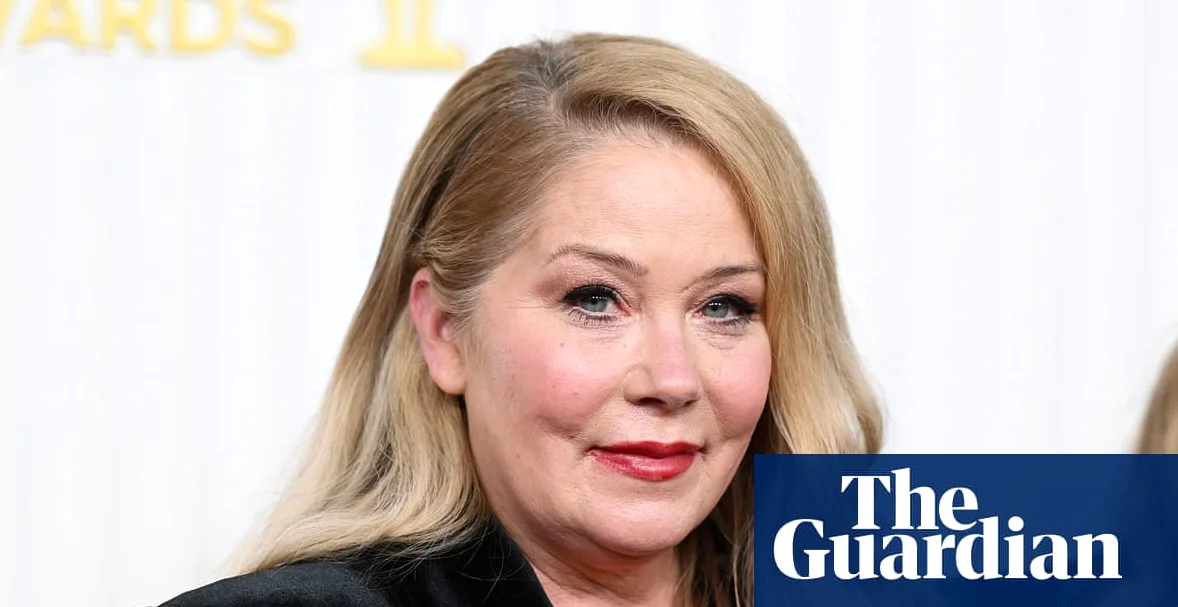
Emotional Revelation in Podcast
Christina Applegate, 54, made the announcement during an episode of her podcast, MeSsy, recorded with fellow actor Jamie-Lynn Sigler and posted to YouTube on October 20. Applegate said she was informed by her doctor that she did not have multiple sclerosis after all. She expressed her frustration and confusion at the news.
Applegate said, ‘I’m back at square one – that I don’t know what’s going on with me,’ through tears. She explained that while the doctor’s news might seem positive, she was not happy because her symptoms had not improved. ‘I haven’t gotten better, Jamie. If anything, I’ve gotten worse in some ways,’ she added.
Applegate highlighted the challenges she still faces, including the need to use a wheelchair for medical appointments and difficulty walking from her car to a room. ‘Nothing magical happened when she said, ‘You don’t have MS.’ Nothing magical happened,’ she said.
Impact of Misdiagnosis
Applegate had become a prominent advocate for MS awareness after her 2021 diagnosis. In an interview with People magazine promoting her memoir, You With the Sad Eyes, she said she was largely confined to bed due to her condition. She had also retired from acting two years after the diagnosis when she wrapped up her role on Dead to Me.
In her podcast, Applegate described how the MS diagnosis provided a sense of understanding and community. ‘That was it, right? That was my answer to everything going on,’ she said. However, after a study into her diagnosis a couple of years ago revealed unusual cell test results, her doctors began to question the MS diagnosis.
Applegate said her doctors will now conduct an online investigation to determine what has been happening since 2021. ‘Why did this happen?’ she asked. She also noted that the misdiagnosis has left her feeling confused and uneasy, as she now lacks the reason she once had for her struggles.
Broader Implications
Applegate and Sigler discussed what they believe is a broader trend of MS misdiagnoses. Sigler, who was diagnosed with relapsing MS (RMS) in 2016, said the issue is not uncommon. Applegate added that many people have been receiving MS treatments for years before it is discovered that they have a different condition.
A 2024 Swiss-led study, published in the Multiple Sclerosis Journal, found ‘high-level evidence for high proportions of misdiagnosis and underdiagnoses of MS,’ including a 15% misdiagnosis rate in the cases it examined. The study supports the idea that MS diagnoses can be complex and prone to error.
Applegate acknowledged the difficulty of being told she does not have MS. ‘I’m sure people are saying like, ‘Crybaby, you don’t have MS, you know, that’s a good thing’ – but no, no, no,’ she said. She described the mental toll of trying to understand why she still experiences symptoms despite the new diagnosis.





Comments
No comments yet
Be the first to share your thoughts