

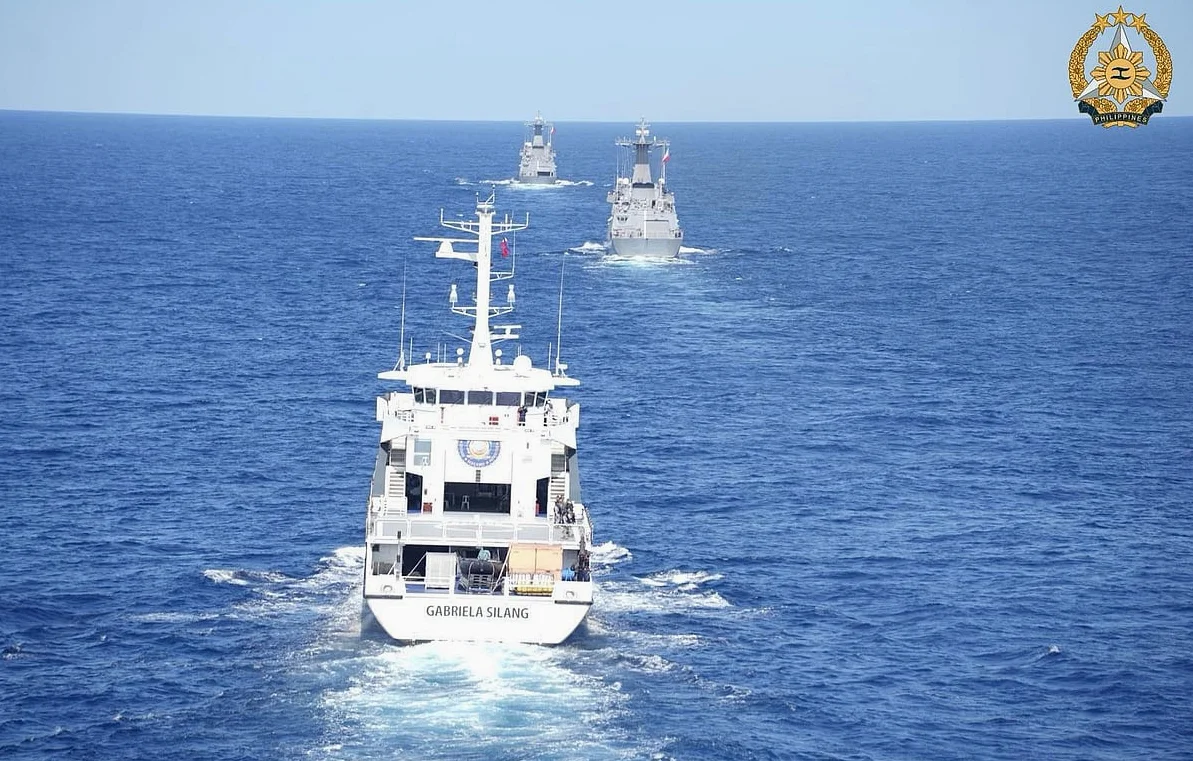
Philippine military officials have made it clear that operations in the West Philippine Sea (WPS) will not be disrupted by the recent surge in fuel costs, despite the ongoing war in the Middle East. In a press briefing at Camp Aguinaldo in Quezon City on Tuesday, 10 March, Rear Admiral Roy Vincent Trinidad, the Philippine Navy spokesperson for the WPS, stated that the AFP remains committed to its mandate of protecting national waters.
Escalating Fuel Costs and Strategic Priorities
Fuel prices have risen sharply in the Philippines due to increased global demand and supply chain disruptions caused by the war in the Middle East. According to the Department of Energy, the average price of diesel has increased by 25% since the beginning of the year, impacting both civilian and military operations.
Despite these economic pressures, Trinidad emphasized that the AFP has implemented cost-saving measures to maintain its operational readiness. ‘We are adjusting our logistics and fuel management strategies to ensure that our operations in the WPS are not compromised,’ he said. ‘The security of our maritime territories is a top priority.’
The AFP has also increased its reliance on pre-stocked fuel reserves and optimized routes to reduce consumption. These steps are critical in maintaining a continuous presence in the WPS, where tensions have been rising due to overlapping territorial claims with China and other regional actors.
Regional Implications and Diplomatic Concerns
The continued military presence in the WPS has drawn attention from regional and international stakeholders. Analysts note that the AFP’s commitment to these operations comes at a time of heightened diplomatic tensions in the South China Sea. The Philippines has been working closely with the United States and other allies to counter Chinese assertiveness in the region.
According to a recent report by the Asia-Pacific Security Research Institute, the Philippines has increased its naval exercises with the U.S. by 40% in the past year. These exercises are designed to strengthen maritime security and deter potential incursions into Philippine waters.
While the AFP’s operations in the WPS are not directly linked to the Middle East conflict, the economic ripple effects of the war have made fuel a critical factor in military planning. The cost of maintaining a presence in the WPS is substantial, and the AFP is under pressure to balance strategic priorities with fiscal constraints.
What’s Next for the AFP and the WPS?
The AFP is expected to announce a revised budget allocation for military operations in the WPS by the end of the month. This will include measures to mitigate the impact of rising fuel prices on operational capacity. Officials have not ruled out seeking international support to offset some of these costs, though no formal requests have been made yet.
Meanwhile, the Department of Defense has been in talks with potential partners to secure long-term fuel contracts that could help stabilize costs. These discussions are ongoing and are expected to continue through the first quarter of 2026.
Analysts say the AFP’s ability to maintain its WPS operations will be a key indicator of its preparedness for potential regional conflicts. ‘The military’s response to this challenge will set the tone for future engagements in the South China Sea,’ said Dr. Maria Santos, a defense expert at the University of the Philippines.
As the conflict in the Middle East continues to influence global energy markets, the AFP’s resilience in the face of rising fuel prices could shape the broader geopolitical landscape in Southeast Asia. The coming months will be critical in determining how effectively the AFP can sustain its maritime operations amid these economic challenges.






Comments
No comments yet
Be the first to share your thoughts