

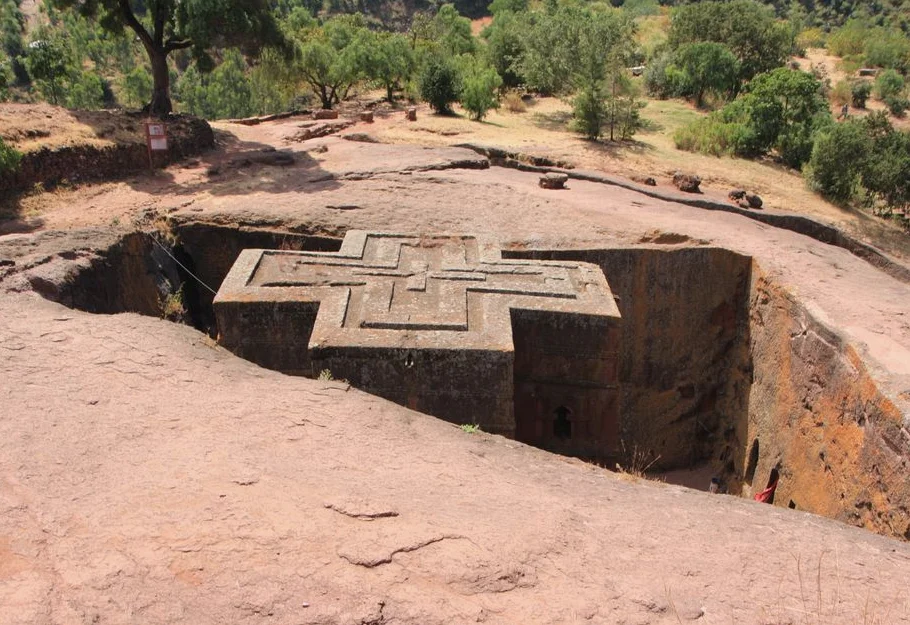
Following the completion of the Grand Ethiopian Renaissance Dam (GERD) in September 2025, Ethiopia has signaled plans to develop three additional hydropower projects along the Blue Nile. These include the Karadobi, Mandaya, and Beko Abo dams, which are expected to collectively generate about 5,700 megawatts of electricity, according to a 2024 academic study sponsored by the Nile Basin Initiative.
Strategic Priorities for Ethiopia
For Ethiopia, expanding its hydropower capacity is a key part of its national strategy to boost electricity access and economic development; the country has long faced energy shortages, with millions of its citizens lacking reliable access to power. The new dam projects align with broader ambitions to modernize infrastructure and improve energy security; “Expanding hydropower is essential for a country where millions of people have historically lacked reliable access to electricity,” according to Al Jazeera.
Egypt’s Limited Use
Despite years of diplomatic pressure and international mediation, Egypt has struggled to exert significant influence over Ethiopia’s Nile development plans; the GERD experience has revealed the limits of Cairo’s influence, especially as Ethiopia continues to move forward with new projects. Egypt’s approach has centered on diplomacy, international pressure, and cooperation with Sudan, rather than outright opposition, according to Al Jazeera.
Efforts to mediate the Nile water conflict have also faced challenges; the U.S. launched a mediation attempt in late 2019, but negotiations have repeatedly stalled. By the end of February 2026, the latest round of talks had again failed to produce a broad agreement on the filling and operation of the GERD reservoir, according to a 2026 report from Stiftung Wissenschaft und Politik (SWP). U.S. Secretary of State Mike Pompeo suggested it could take months before an agreement is reached.
Alternative Approaches to Conflict Resolution
With mediation efforts showing limited progress, some analysts argue that compensation may be a more viable path to de-escalating tensions. Germany and its European partners have been urged to support Egypt in creating a compensation mechanism for Ethiopia, which could include financial incentives for concessions on the GERD. Such a strategy could help stabilize the region and reduce migration pressure, according to SWP.
However, any financial support from Europe should be tied to clear conditions for Egypt, such as improvements in water management and overall governance, according to SWP. This approach aims to ensure that any agreements are sustainable and equitable for all parties involved.
While Ethiopia moves forward with its new dam projects, the broader implications for Sudan and Egypt remain uncertain; the eventual impact of the new facilities will depend on the specifics of construction and operation, according to Al Jazeera. The coming months will test whether Egypt can translate its longstanding concerns into meaningful influence over how the Blue Nile is developed.




Comments
No comments yet
Be the first to share your thoughts