

 The Guardian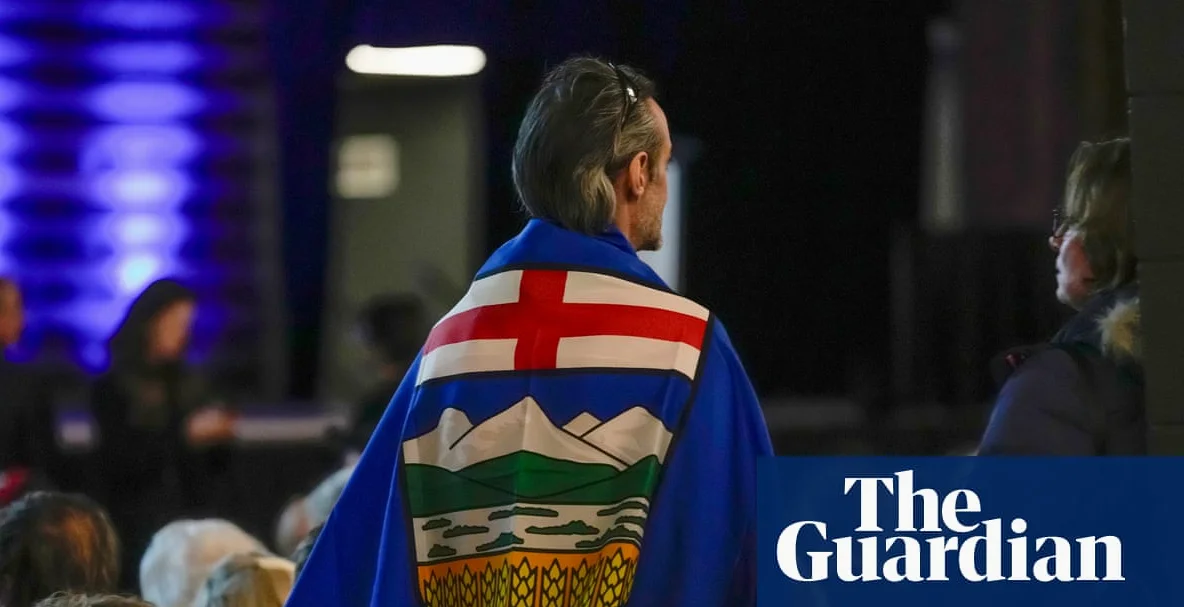
Alberta separatists have delivered more than 300,000 signatures to elections officials in western Canada, in support of their attempt to force an independence referendum in Canada’s oil-rich province. The move comes amid a growing political push in the province, where some residents have long argued for greater autonomy.
Data Breach Sparks Political Concern
However, the effort has been overshadowed by a major data breach. A separatist-linked group posted the personal data of nearly 3 million residents online, marking one of the largest data breaches in Canadian history. This has raised fears of political interference and compromised privacy.
Signatures Delivered, Legal Hurdles Remain
On Monday, hundreds of supporters gathered in Edmonton, the provincial capital, as Mitch Sylvestre, a separatist leader, delivered the petitions to Elections Alberta. “We’re not like the rest of Canada,” Sylvestre told reporters and attenders. “We’re 100% conservative. We’re being ruled by Liberals who don’t think like us.”
A minority of residents of the oil-rich province have long argued that the province’s challenges stem from the structure of payments to Canada’s federal government and a perceived inability to get their vast fossil fuel reserves to market. In recent months, separatists have capitalized on this sentiment. Polls indicate separatist support ranges between 18% and 30%.
Last year, Alberta’s premier, Danielle Smith, reduced the number of signatures required for citizens to bring a constitutional referendum, lowering it from 588,000 to roughly 178,000. The provincial government also revised how citizen-initiated referendums function, removing powers from Alberta’s chief electoral officer. Now, referendums can pose questions that would conflict with the Canadian constitution.
They hope their referendum question, “Do you agree that the Province of Alberta should cease to be part of Canada and become an independent state?” – will be added to a planned referendum in October, which will also include questions on immigration, healthcare, and the country’s constitution.
While the separatists have met the required signature threshold for a referendum, Elections Alberta has stated it needs to verify the names. However, the process has been paused due to a court ruling.
Indigenous Nations Raise Legal Concerns
Indigenous nations in Alberta, whose treaties with Britain predate the creation of the province, argue that a referendum on secession would violate their treaty rights. “Alberta has treated [Sturgeon Lake Cree First Nation] as though they are chattel on the land, merely an afterthought in forced negotiations, not the first step in any potential secession,” the First Nation stated in its court filing. “Alberta has no right to secede from Canada and no right to take Treaty No 8 territory.”
The First Nation also warned that the current push has invited the threat of foreign influence. They stated that a vote to leave Canada “will enable foreign interference from the most powerful nation to the south.”
Late last year, separatist activists held covert meetings with members of Donald Trump’s administration.
Thomas Lukaszuk, a former Alberta deputy premier and pro-federalist, described the movement to secede as “a form of treason” and something “most of us Albertans and Canadians don’t stand for.”
Meanwhile, the revelation that a separatist-linked group obtained Alberta’s official list of electors—containing names, home addresses, and contact information for roughly 2.9 million voters,has caused political turmoil in the western province.
The list was provided to the Republican party of Alberta, which is legally registered, but was then improperly shared with the Centurion Project, a pro-separation group which allegedly used it to target voters. A court ordered the database to be taken down, and both Elections Alberta and the RCMP launched investigations. However, the data has likely already been copied and shared.
Among the names visible on the database were prominent politicians, elections officials, senators, judges, Crown prosecutors, journalists, and other public figures.
Jared Wesley, a University of Alberta political scientist, stated that a public inquiry is needed “before [Albertans] cast another ballot.” He warned that Elections Alberta, by investigating itself, “is now defending its own response, its own mandate, and the integrity of the democratic system it administers.”
Separatist groups say they will cooperate with any investigation but expect the government to proceed with the referendum. “We expect our question to be on the ballot this October regardless of what the courts say, regardless of what Elections Alberta says,” Jeffrey Rath, one of the separatist leaders, told reporters. He said collecting the 300,000-plus Albertans signed up took immense effort. “All of our people were out busting their asses collecting signatures. Period.”






Comments
No comments yet
Be the first to share your thoughts