

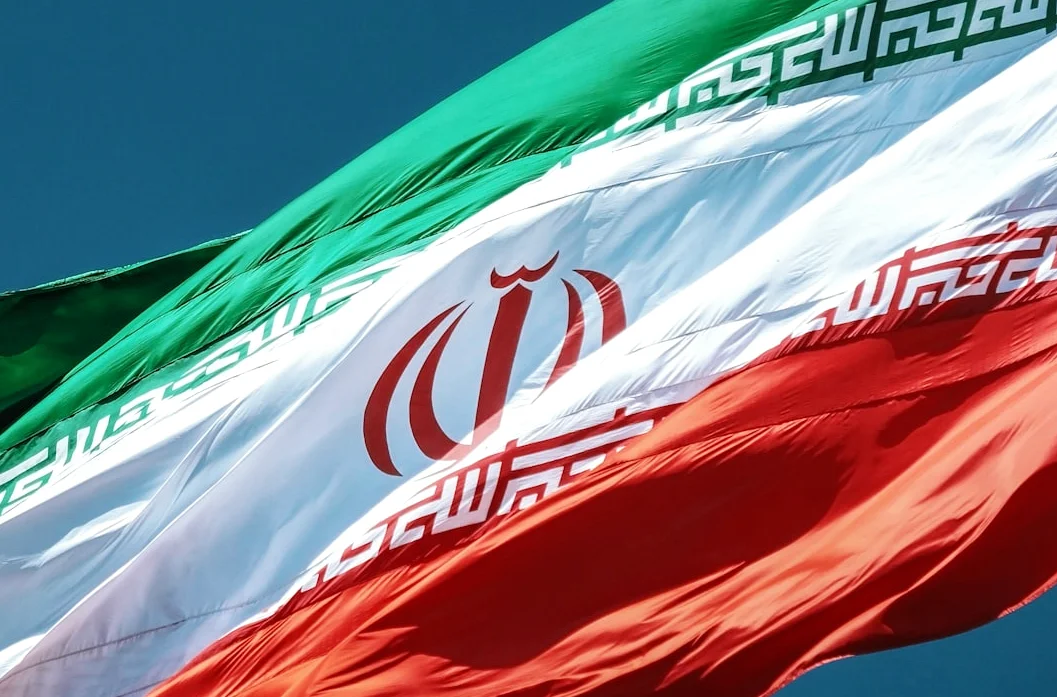
Amid escalating tensions between Israel and Iran, international observers are closely watching whether the conflict could expand into a broader regional or even global crisis. According to BBC. The fighting so far has been contained to the two nations, but worst-case scenarios include the involvement of the United States and other global powers. The U.S. has already warned Iran of the consequences of attacks on American targets, and some analysts believe a direct strike on U.S. personnel in Israel or elsewhere could force a military response.
Potential U.S. Involvement and Escalation
Iran appears to believe that U.S. forces tacitly supported recent Israeli attacks, while According to BBC, Iran could respond by targeting American installations in Iraq, the Gulf, or across the Middle East. U.S. military personnel have already been withdrawn from some areas in anticipation of such strikes, while Israel’s Prime Minister Benjamin Netanyahu has long been accused of seeking U.S. involvement in the conflict, according to BBC, particularly in targeting Iran’s nuclear facilities.
American military analysts suggest only the U.S. has the capability to strike Iran’s most fortified nuclear sites, such as Fordow; Donald Trump has pledged not to start new wars in the Middle East, but many Republicans support Israel’s push for government change in Tehran. If the U.S. becomes an active participant, it could trigger a large-scale regional conflict with long-term consequences.
Global Nuclear Order Under Pressure
According to the Münchner Sicherheitskonferenz, the global nuclear order is under increasing strain; Arms control administrations are eroding, and nuclear proliferation is rising. Russia’s ongoing threats and attacks on nuclear facilities in Ukraine have raised fears of a nuclear incident in Europe for the first time since the Cold War. China, meanwhile, is rapidly expanding its nuclear arsenal and may soon become the world’s third nuclear superpower, according to the Münchner Sicherheitskonferenz.
With intensifying great-power competition and geopolitical tensions, the current nuclear order based on the Non-Proliferation Treaty (NPT) is struggling to maintain stability; the conference emphasized the need to reinvent a nuclear order that ensures transparency, arms control, and broad international support. However, China has so far refused to accept any binding restrictions on its nuclear program.
Iran’s Potential Nuclear Assurance
Amid these global concerns. Iran may offer assurances on the use of its nuclear facilities, according to recent diplomatic discussions; this could be part of broader efforts to ease international anxieties and prevent further escalation in the Middle East. However, any such assurances would need to be verified and trusted by key global powers, including the U.S. and its allies.
Given the current trajectory of global nuclear dynamics and the fragile state of regional diplomacy, even a small escalation could have far-reaching consequences. The international community must balance deterrence with diplomacy to prevent a catastrophic outcome.






Comments
No comments yet
Be the first to share your thoughts