

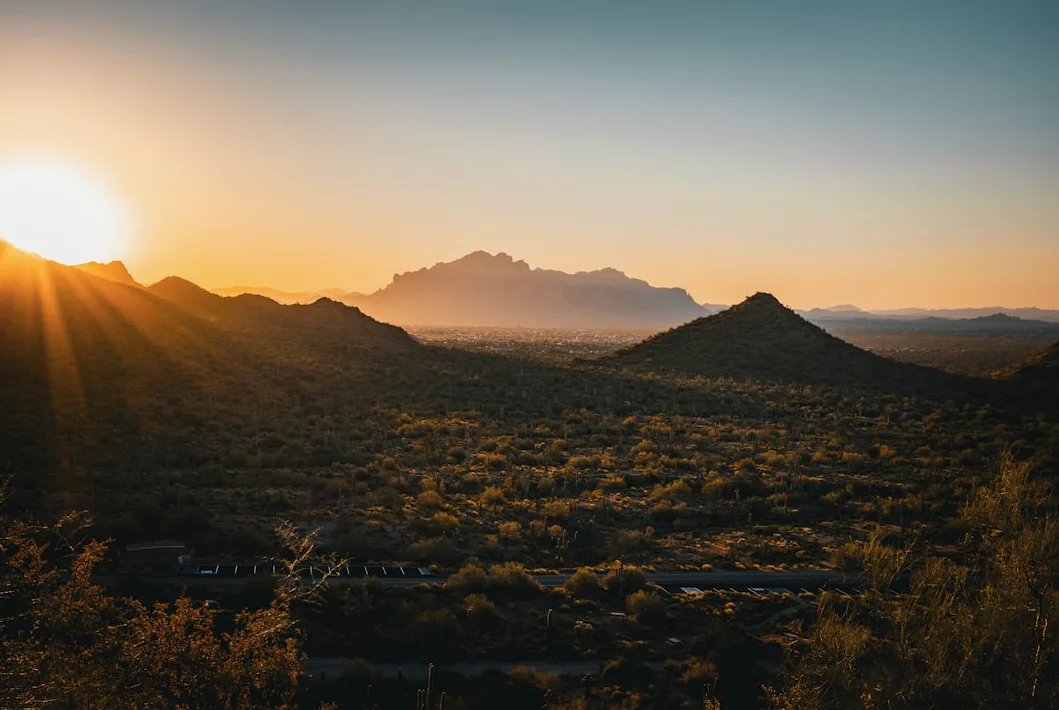
Record-Breaking Heat in Arizona
A desert town in Arizona has set a new record for the highest temperature ever recorded in March, reaching 110 degrees Fahrenheit and surpassing previous records by a significant margin. According to The Guardian, this unprecedented heatwave has raised concerns about the impact of climate change on extreme weather patterns. The temperature was recorded in a town near Yuma, as reported by KJZZ, which noted that the event has broken all-time March temperature records in the region.
The Arizona Department of Health has issued warnings about the potential health risks associated with such extreme temperatures. According to KJZZ, the state has already seen a significant increase in heat-related illnesses, and officials are urging residents to take precautions such as staying hydrated and avoiding prolonged exposure to the sun. The record-breaking temperature has also sparked discussions about the need for improved infrastructure to handle such extreme weather conditions.
The Guardian reported that the extreme heat has been linked to broader climate change trends, with scientists warning that such events may become more frequent in the future. This has led to calls for increased investment in renewable energy and climate resilience measures. According to The Guardian, experts are concerned that the increasing frequency of extreme heat events could have long-term implications for public health and the environment.
Local Reactions and Community Impact
Residents of the affected area have expressed concern about the sudden and extreme heat. According to KJZZ, local officials have been working closely with community leaders to ensure that vulnerable populations, such as the elderly and those with pre-existing health conditions, are protected. The town has seen a surge in emergency room visits related to heat exhaustion, prompting local health departments to ramp up their response efforts.
Local businesses have also been impacted by the extreme weather. According to KJZZ, some businesses have had to adjust their operations to accommodate the heat, including offering more shaded areas for customers and increasing the availability of water stations. The tourism industry has been particularly affected, as the extreme temperatures have led to a decline in visitor numbers.
According to The Guardian, the local community has come together to support one another during this challenging time. Community organizations have been providing resources and assistance to those in need, including distributing water and offering cooling centers. This collective response has been crucial in helping residents cope with the extreme conditions.
Political and Policy Responses
The extreme heat has also sparked political discussions at the state level. According to KJZZ, Democratic Gov. Katie Hobbs has been focusing on budget negotiations with Republican lawmakers, emphasizing the need for funding for public schools and infrastructure improvements. The governor’s office has stated that the recent heatwave highlights the importance of investing in climate resilience measures.
According to The Guardian, the record-breaking temperature has been used as a case study in climate change discussions. Scientists and environmental experts have pointed to the event as evidence of the need for more aggressive action on climate change. The Arizona Department of Health has been working with state officials to develop policies that address the health risks associated with extreme heat.
The political response has also included calls for increased funding for climate research and public health initiatives. According to KJZZ, several state representatives have introduced bills aimed at improving climate resilience and public health preparedness. These efforts are part of a broader push to address the growing concerns about the impact of climate change on public health and infrastructure.
Broader Implications and Future Outlook
The extreme heat in Arizona is not an isolated event but part of a larger trend of increasing temperatures globally. According to The Guardian, scientists predict that such extreme weather events will become more common in the coming decades, necessitating proactive measures to mitigate their impact. This includes investing in renewable energy sources and improving urban planning to reduce the urban heat island effect.
The Arizona Department of Health has been working with local governments to develop emergency response plans for future heatwaves. According to KJZZ, these plans include establishing cooling centers and increasing public awareness about the risks of extreme heat. The state is also exploring ways to improve its infrastructure to better handle extreme weather conditions.
According to The Guardian, the record-breaking temperature serves as a stark reminder of the urgent need for action on climate change. Experts warn that without significant reductions in greenhouse gas emissions, the frequency and intensity of extreme weather events will continue to increase. This highlights the importance of global cooperation in addressing climate change and developing sustainable solutions to protect public health and the environment.
International Context and Global Concerns
The extreme heat in Arizona is part of a broader pattern of climate change affecting regions around the world. According to The Guardian, similar extreme weather events have been reported in other parts of the United States and globally, raising concerns about the impact of climate change on public health and the environment. The Arizona Department of Health has been working with international partners to share best practices and strategies for addressing the health risks associated with extreme heat.
According to KJZZ, the event has also sparked discussions about the need for international cooperation in addressing climate change. Scientists and environmental experts have emphasized the importance of global collaboration in reducing greenhouse gas emissions and developing sustainable solutions to mitigate the impact of climate change.
The extreme heat in Arizona highlights the urgent need for global action on climate change. According to The Guardian, the event serves as a wake-up call for governments and communities around the world to take immediate steps to reduce greenhouse gas emissions and invest in climate resilience measures. This includes supporting renewable energy initiatives and improving public health preparedness for extreme weather events.






Comments
No comments yet
Be the first to share your thoughts