

 BBC
BBC 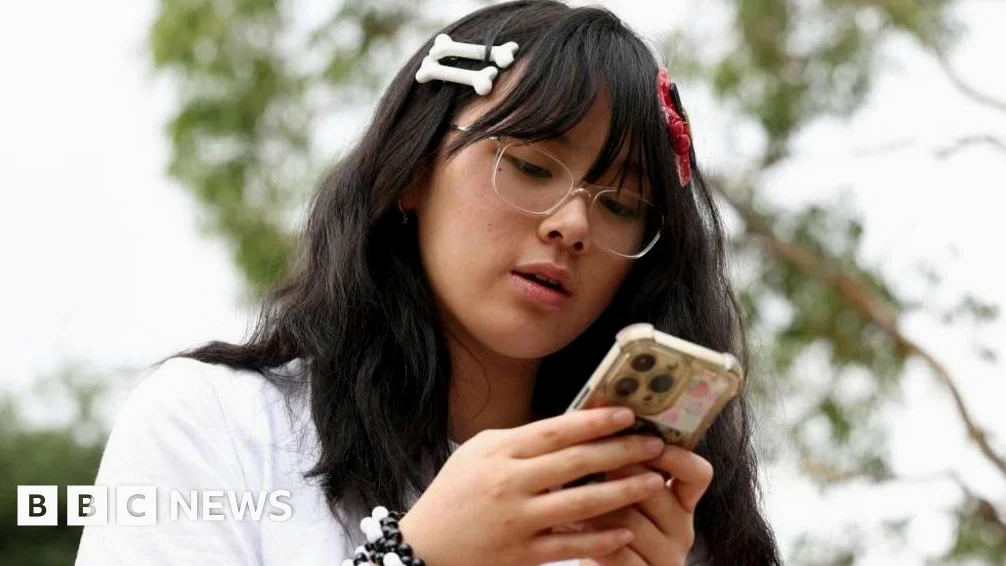
Australia’s eSafety watchdog has raised concerns that major social media platforms are not effectively enforcing a law that prohibits users under the age of 16 from accessing 10 key platforms, despite the legislation taking effect late last year. The regulation. Which bans under-16s from platforms like Facebook, Instagram, Snapchat, TikTok, and YouTube, was introduced to protect children from harmful content and addictive algorithms. However, the regulator says there are “significant concerns” about compliance among the major firms.
Compliance Issues Identified
In its first report since the ban was implemented in December, the eSafety Commission identified several poor practices among the five platforms. These include allowing children who previously stated they were under 16 to attempt to prove they were over 16, enabling under-16s to repeatedly try the same age verification process, and failing to prevent new under-16 users from creating accounts. The report also highlighted a lack of effective mechanisms for parents and guardians to report underage users who continue to access the platforms.
According to the report. 4.7 million accounts had been restricted or removed in the first month after the law took effect on December 10; However, eSafety Commissioner Julie Inman Grant expressed concern that some platforms may not be doing enough to comply with the law. “While social media platforms have taken some initial action, I am concerned through our compliance monitoring that some may not be doing enough to comply with Australian law,” Inman Grant said.
Continued Use Among Under-16s
Despite the new law. Many under-16s continue to use the 10 platforms covered by the regulation, while When the BBC visited a school in Sydney last month, most students who used social media before the ban still had access. Some students claimed they had not been asked to prove their age, while others said they had found ways around the age verification process. One pupil noted that of 180 girls in her year group, only three had been removed from the platforms.
Parents across Australia have largely supported the policy, with many saying the law gives them more authority when dealing with pre-teens who want access to social media. However, critics, including technology experts and child wellbeing advocates, argue that banning children from platforms does not address the root issue, though Instead, they believe that children should be educated about the potential harms of social media rather than being restricted from using it.
Some critics also question the law’s enforceability and argue that it may unfairly exclude certain groups, such as rural children, disabled teenagers, and those who identify as LGBTQ+. These groups are more likely to find supportive communities online, and critics argue that the law may prevent them from accessing vital social and emotional support.
Watchdog Calls for Cultural Change
On Tuesday. The eSafety commissioner said the reform was “unwinding 20 years of entrenched social media practices.” Inman Grant emphasized that while change takes time, platforms have the capability to comply with the new law. “Durable, generational change takes time – but these platforms have the capability to comply today,” she said.
She also highlighted the role of parents in the cultural shift, noting that many have reported feeling empowered by the law to say no to their children’s requests for social media accounts. “Any cultural change that pushes against the powerful interests and revenue potential of entrenched industry players – whether car manufacturers, Big Tobacco or Big Tech. Those players will push back but we continue to push ahead,” Inman Grant said.
The BBC has contacted the social media companies for comment, but as of now, no responses have been received. The regulator has stated that it will begin enforcing the restrictions and gathering evidence to determine whether platforms have taken reasonable steps to prevent under-16s from having accounts. “The evidence must establish the platform has not taken reasonable steps to prevent children aged under 16 from having an account,” Inman Grant said.
The Australian ban has drawn international attention, with countries like the UK considering similar measures. The law is seen as a test case for how effective such regulations can be in protecting young users from the potential harms of social media while balancing the need for access to online communities and support systems.






Comments
No comments yet
Be the first to share your thoughts