

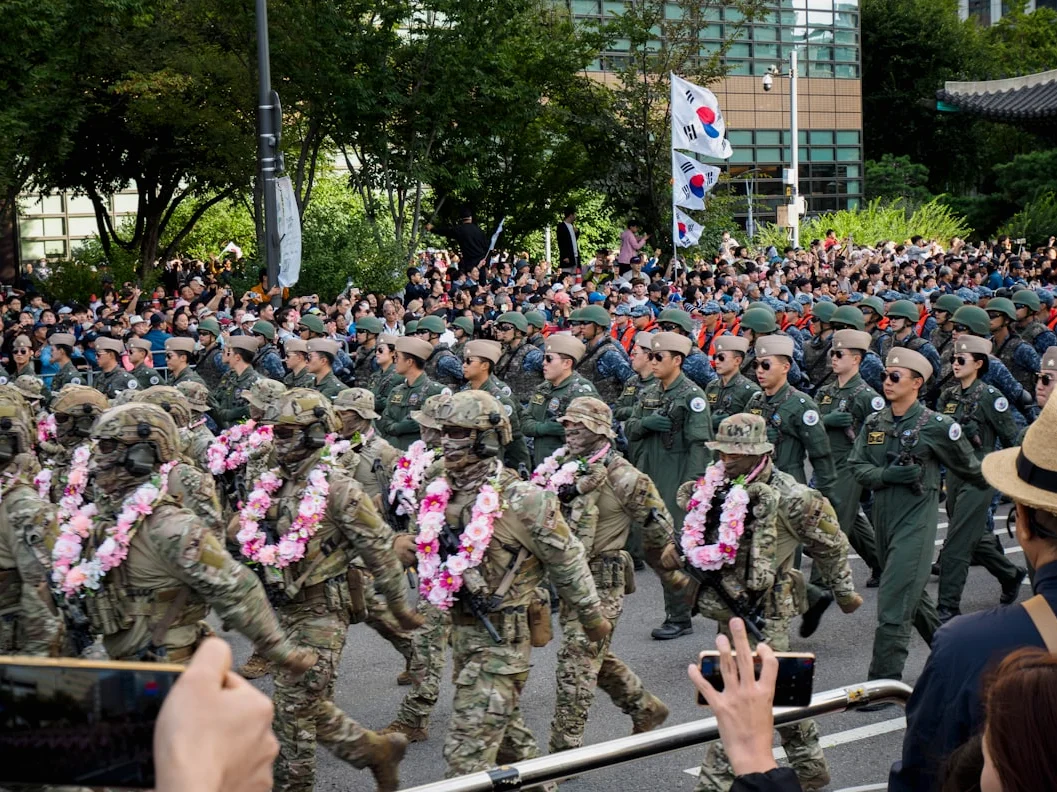
Thousands of U.S. Army paratroopers have arrived in the Middle East, marking a significant escalation in military presence in the region, while this development comes as tensions continue to rise, with President Donald Trump signaling potential military action against Iran if a deal is not reached. According to The Times of Israel. The deployment is part of an intensifying buildup that has raised concerns across the region.
Deployment and Military Buildup
The Times of Israel reported that thousands of U.S. Army paratroopers have arrived in the Middle East as part of a broader military buildup. This move has been linked to increased activity in the region, including the deployment of Marines and tanks. According to a report from krone.at, these actions are seen as signs of potential ground offensive preparations, with some analysts suggesting that the military buildup could be a prelude to a larger operation.
President Trump has been vocal about his stance on Iran, stating that the U.S. is in ‘serious’ discussions with a ‘new, reasonable regime’ in Iran. According to i24NEWS, Trump warned that if a deal is not reached, the U.S. will consider ‘obliterating energy infrastructure’ in Iran. This rhetoric has been met with mixed reactions, with some viewing it as a strong diplomatic signal and others as a threat.
The deployment of paratroopers has also raised questions about the strategic goals of the U.S. in the region. According to The New York Times, the presence of U.S. Special Operations Forces in the Middle East suggests a more aggressive posture, with some analysts noting that the move could be aimed at deterring Iranian aggression or preparing for a potential ground offensive.
Regional Reactions and Concerns
Regional reactions to the U.S. military buildup have been varied. In Israel, red alert sirens were activated in the Haifa area following the detection of missile shrapnel near an oil refinery. According to i24NEWS, the incident did not cause damage to production facilities or impact fuel supply, but it has heightened fears of potential Iranian retaliation. Israeli officials have called for increased vigilance and readiness.
In Iran, the government has responded to U.S. threats with cautious statements. According to i24NEWS, Iran’s Foreign Ministry spokesperson said that Tehran respects the Non-Proliferation Treaty (NPT) but questioned its effectiveness given the attacks on Iran and the lack of respect for its rights. This response suggests that Iran is trying to maintain a diplomatic stance while preparing for potential escalation.
In the Gulf region, the deployment of U.S. forces has been met with a mix of concern and support. Some Gulf states have welcomed the increased U.S. military presence as a deterrent against Iranian aggression, while others have expressed reservations about the potential for unintended conflict. According to The Times of Israel, the situation remains tense, with military analysts warning that the region is on high alert.
Domestic and International Implications
The deployment of thousands of U.S. Army paratroopers has significant domestic and international implications. Domestically, the move has been seen as a reflection of President Trump’s hardline stance on Iran. According to The New York Times, the administration has been working to build a coalition of support for its policies, with some lawmakers expressing concerns about the potential for conflict.
Internationally, the military buildup has raised concerns among global powers, including Russia and China, which have called for de-escalation. According to krone.at, both countries have expressed their willingness to engage in dialogue to prevent further escalation. However, the U.S. has been reluctant to engage in multilateral talks, focusing instead on bilateral negotiations with Iran.
Meanwhile, the deployment of U.S. forces has also raised questions about the broader strategy in the Middle East. According to i24NEWS, some analysts suggest that the move could be part of a larger effort to secure U.S. interests in the region, including protecting energy infrastructure and countering Iranian influence. This strategy has been criticized by some as being overly aggressive and potentially destabilizing.
As the situation unfolds, the next steps will depend on the outcome of ongoing negotiations between the U.S. and Iran. According to The Times of Israel, the U.S. is likely to continue its military buildup unless a deal is reached. However, the Iranian government has indicated that it is not willing to make concessions without assurances of U.S. compliance with international agreements.
Regional tensions are also likely to remain high, with the potential for further incidents. According to i24NEWS, the deployment of U.S. forces has increased the risk of miscalculation, particularly in the context of recent missile activity in the region. This has raised concerns about the possibility of a broader conflict.
In the coming days, the focus will be on diplomatic efforts to de-escalate the situation. According to The New York Times, the U.S. is expected to continue its outreach to Iran, with some analysts suggesting that the administration may be open to compromise if the right conditions are met. However, the situation remains highly unpredictable, with the potential for further military actions.
The deployment of thousands of U.S. Army paratroopers has highlighted the complex interplay of military, political, and diplomatic factors in the Middle East. As the situation develops, the world will be watching closely to see whether the U.S. and Iran can reach a resolution or if the region will face further instability.






Comments
No comments yet
Be the first to share your thoughts