

 BBC
BBC 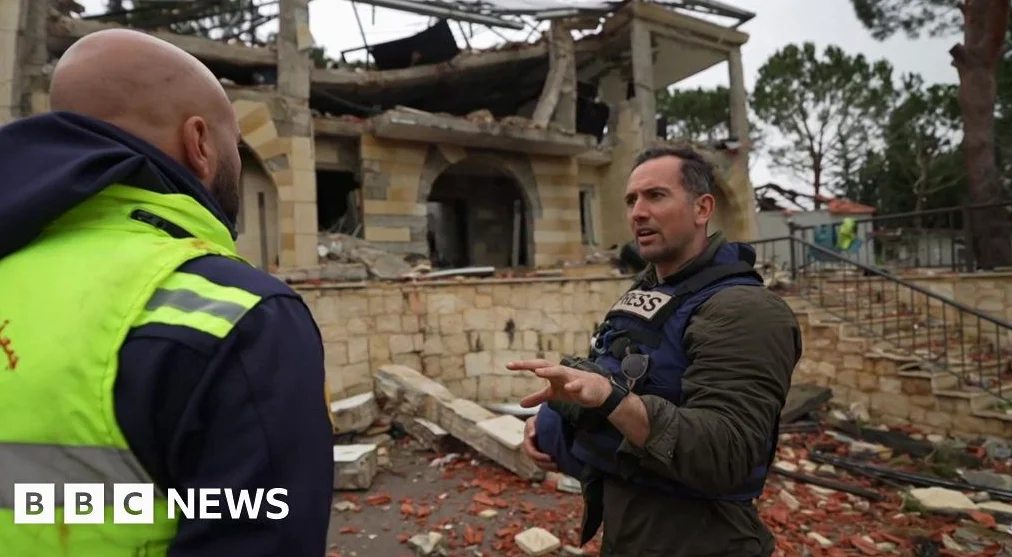
The BBC’s Middle East correspondent. Hugo Bachega. Joined paramedics on duty in Nabatieh. Lebanon, a city that was once vibrant but is now abandoned, according to the BBC, and the city has become a symbol of the ongoing conflict between Israel and Lebanon, with residents forced to flee their homes amid the escalating violence.
Displacement and Abandonment
In Lebanon. One in five people have been forced to leave their homes since fighting renewed in March, according to the BBC — this mass displacement has left many areas, including Nabatieh, in a state of near abandonment. The once-busy streets now echo with silence, and many buildings stand as ruins, testaments to the destruction caused by the conflict.
At one ruined ambulance station. A paramedic showed where a colleague was killed by an Israeli strike while he was talking on the phone to his wife. The site remains a somber reminder of the dangers faced by medical workers in the region — the paramedic described the incident, saying the colleague was struck while performing his duties, highlighting the risks paramedics face in the current conflict.
Disputed Claims About Ambulances
Israel has claimed that some ambulances and health facilities in Lebanon are being used by Hezbollah, according to the BBC. However, paramedics on the ground have denied this claim, stating there is no evidence to support it. They emphasized that their work is focused solely on saving lives and providing medical care to those in need, regardless of political affiliations.
The paramedics expressed frustration with the accusations, noting that their primary concern is the safety and well-being of the injured. They said the attacks on medical infrastructure are not only illegal but also a violation of international humanitarian law, which protects medical personnel and facilities during conflicts.
Israeli Military Claims and Denials
Elsewhere, the Israel Defense Forces (IDF) said troops had killed more than 20 Hezbollah fighters operating from a hospital compound in Bint Jbeil on Sunday. The site of fierce fighting during the 2006 war between Israel and Hezbollah, Bint Jbeil has become a flashpoint in the current conflict. The IDF statement claimed that the operation targeted military assets and was necessary for national security.
Lebanon’s health ministry denied the claim, accusing Israel of targeting civilians and medical facilities. The ministry called the IDF’s actions a violation of international law and expressed deep concern over the safety of medical workers and patients in the region. They stated that the attacks on medical infrastructure are not only unlawful but also exacerbate the suffering of the Lebanese people.
The BBC’s correspondent joined paramedics on duty in Lebanon to document the conditions on the ground and to speak with those directly affected by the conflict. The footage and interviews provided a vivid account of the challenges faced by medical workers and the impact of the strikes on the local population.
The ongoing conflict has placed immense pressure on the healthcare system in Lebanon, with hospitals and ambulances under constant threat. Paramedics and medical staff have been working tirelessly to provide care, despite the dangers they face. Their efforts have been described as heroic by many, but they continue to call for an end to the violence and protection for medical facilities.
With one in five people displaced and medical infrastructure under attack, the need for an immediate ceasefire and international intervention has become increasingly urgent. The situation in Nabatieh and other areas of Lebanon reflects the broader humanitarian crisis caused by the conflict. The BBC’s coverage highlights the human cost of the conflict and the urgent need for a resolution.






Comments
No comments yet
Be the first to share your thoughts