

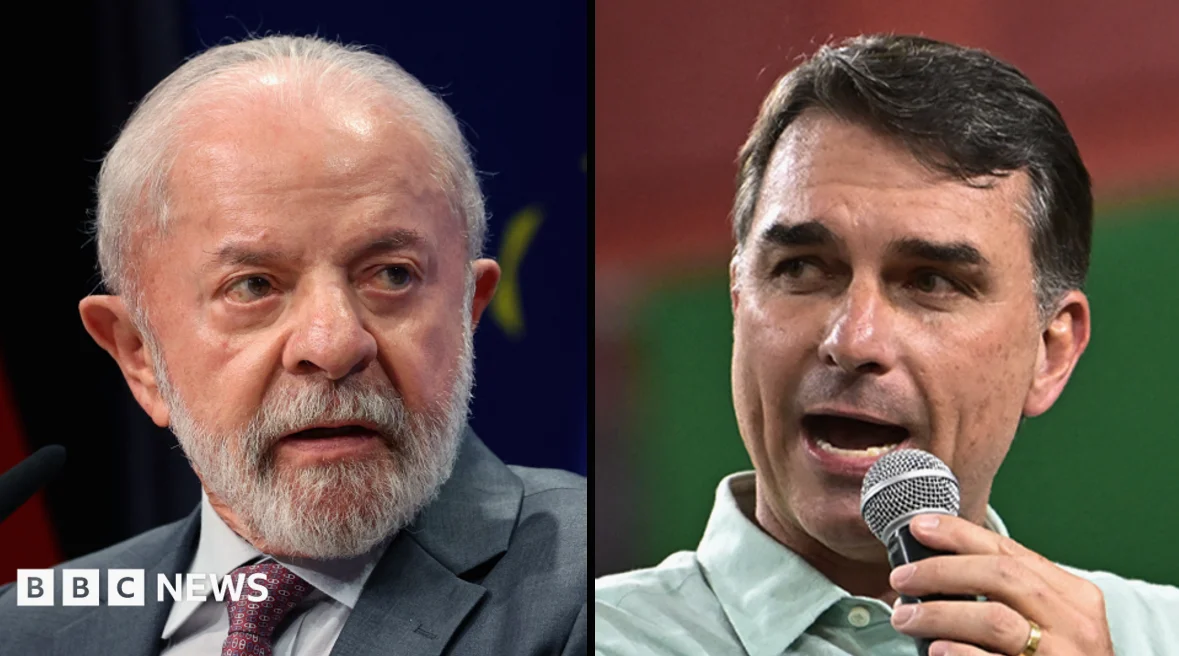
Bolsonaro declared the result a sign of change, saying, “It is the end of the era of the Workers Party (PT); it is a big change in our country,” according to The Hindu. Lula, however, admitted the result was unexpected, saying, “I confess to you that I was convinced I would win the election in the first round,” but insisted the race was not over, adding, “The game is about to start. We are in extra time. In extra time, we will win over the Brazilian people.”
The election results reflect a broader rightward shift in Brazilian politics. Bolsonaro’s Liberal Party (PL) dominated the race, winning the most governors, senators, and federal deputies, according to The Hindu. The PL gained support by eating into traditional conservative and center-right political space rather than Lula’s Workers’ Party (PT), further signaling a realignment on the right.
Religious affiliation also played a key role. In municipalities with the highest concentration of Catholics, Lula’s share of the vote fell by 11 percentage points compared with his previous performance, while Bolsonaro received strong support from evangelical voters, particularly in regions with high concentrations of the religious group, according to The Hindu.
International reactions were mixed. U.S. President Donald Trump praised Bolsonaro’s first-round performance, calling it a “very, very big victory,” according to The BBC. Lula, meanwhile, made “sovereignty” a key pillar of his campaign and accused the U.S. of trying to influence the election, a claim the U.S. denied. Brazil’s electoral court said no evidence of international interference was found.
Bolsonaro received endorsements from right-wing rivals Ronaldo Caiado and Romeu Zema, who ran in the first round but failed to advance, according to The Straits Times. The support is expected to bolster his campaign in the runoff, which will decide whether Brazil, Latin America’s largest country and economy, will follow the region’s broader rightward trend.
The Hindu, by contrast, framed the result as a shift in political momentum rather than the definitive collapse of democratic institutions.
The runoff on 25 October will present both candidates with the challenge of broadening their appeal beyond their core constituencies, with Bolsonaro seeking to attract supporters of eliminated right-wing candidates and Lula aiming to regain Catholic voters and low-income Brazilians.


Comments
No comments yet
Be the first to share your thoughts