

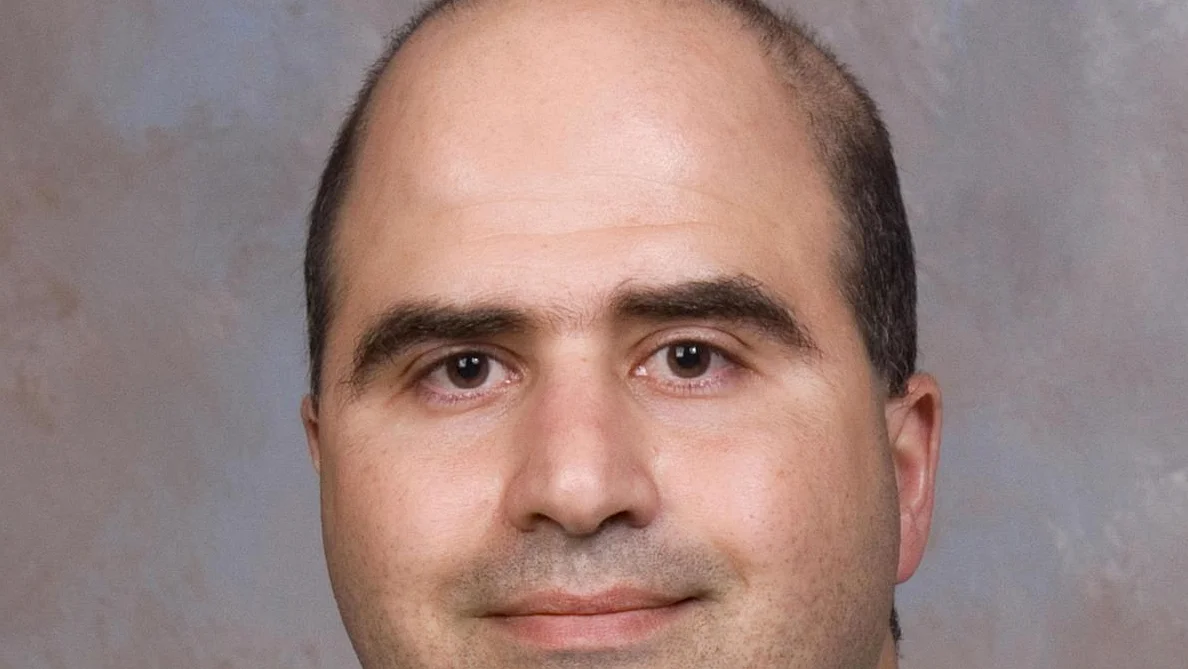
Hasan, a U.S. Army psychiatrist, opened fire at a medical facility at Fort Hood, Texas, on November 5, 2009, killing 13 people and wounding 32 others. The Pentagon described the attack as “the deadliest ever non-combat attack on an American military base.” During the attack, Hasan shouted “Allahu Akbar,” and was later found guilty of 45 counts of premeditated murder and attempted murder in a 2013 court-martial.
Hasan stated during his trial that he was motivated to prevent U.S. soldiers from going to Afghanistan to fight the Taliban, claiming he was “protecting Muslims.” The Supreme Court denied Hasan’s petition for an appeal in March 2025, clearing the way for his execution.
Under the Uniform Code of Military Justice, a death sentence from a court-martial cannot be carried out without the president’s approval. Parnell said, “Judgment day for Hasan has finally come,” and noted that the Secretary of the Army will set the time and place of the execution. This step is part of a broader Trump administration push to reinstate and expand the use of the death penalty.
The Trump administration recently expanded the list of permissible federal execution methods to include firing squad, electrocution, and gas asphyxiation, partly in response to difficulties in obtaining lethal injection drugs. This decision followed a botched lethal injection in Tennessee, where inmate Christa Pike was left alive and on life support after the procedure.
Death Penalty Action, an anti-capital punishment group, criticized Trump’s decision, stating, “There is nothing Donald Trump loves more than the power to kill.” Defense Secretary Pete Hegseth called the decision “Justice” in a retweet of Parnell’s announcement.
Despite Trump’s approval, Hasan could delay the execution for years by filing a habeas corpus appeal in federal court. Hasan is one of four inmates currently on military death row at Fort Leavenworth, Kansas.
Trump has been a strong advocate for the death penalty and reinstated it on his first day in office in January 2025.






Comments
No comments yet
Be the first to share your thoughts