

 BBC
BBC 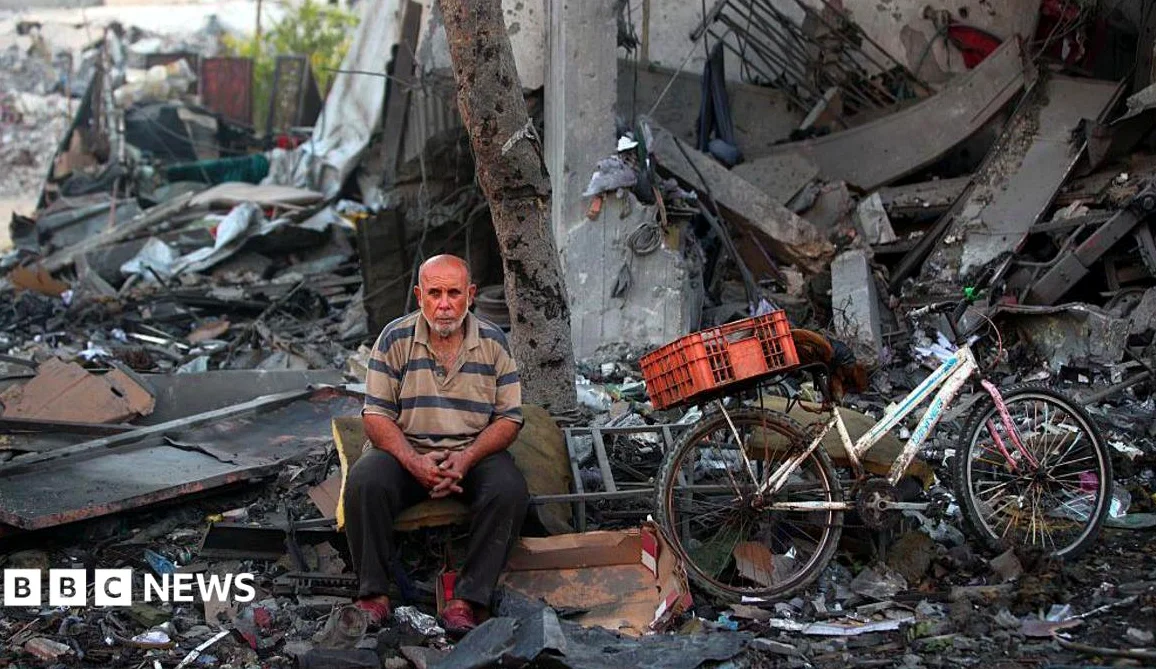
According to a roadmap obtained by the BBC, a process to inventory and store heavy weapons, military production sites, and tunnels will begin in Gaza; this step is conditional on Israel fulfilling its obligations under the October 2023 ceasefire agreement. The process will be overseen by the Palestinian National Committee, which Hamas has agreed to hand power over to, and the International Stabilisation Force will be deployed.
Disarmament and Israeli Withdrawal Tied
The roadmap links Hamas’s disarmament to a phased Israeli withdrawal from the area, and it also specifies that no weapons should be handed over to Israel or any non-Palestinian entity. However, the exact mechanism for the handover of weapons is still unclear. It is believed that all heavy weapons, including Hamas’s rockets, will be moved to secure storage managed by the National Committee, which has so far operated from Cairo and not yet entered Gaza.
According to the document, the process is to be carried out in a gradual, sequential, and time-bound manner, an implementation schedule is to be prepared within 14 days. Hamas has stated that its willingness to disarm is conditional on Israel ending all forms of aggression and withdrawing its forces from Gaza, though Israel’s commitment to ceasing its attacks is described as a fundamental prerequisite for the deal to move forward.
Bowen Plan: A Rare Opportunity Amidst Hardship
While the plan for Hamas to disarm faces significant political and logistical challenges, it is also seen as a rare opportunity for diplomatic progress in the region. Hamas has never before agreed to disarm, according to BBC reports. The proposal hinges on a mutual exchange: as Hamas hands over its weapons, Israel is expected to withdraw from 70% of the territory it currently occupies.
However, the situation on the ground remains dire; Over 2 million Palestinian civilians in Gaza are living in desperate conditions, with many of their homes and livelihoods destroyed. According to the Hamas-run health ministry,whose figures are considered reliable by the UN,more than 70,000 Palestinians have been killed since the war began; the number has risen to over 71,000 since the ceasefire. UNICEF reports that more than 20,000 children have been killed since October 7, 2023, including more than 1,000 babies among the dead and injured.
Challenges of Trust and Survival
The broader challenges include the lack of trust between the parties and the destruction of Gaza; Much of the territory is now rubble. The damage is not only from Israeli military operations but also from an organized effort by Israeli civilian contractors to complete the destruction of infrastructure and communities. Many Palestinians and officials in Jordan and Egypt believe that some in the Israeli government are seeking to create conditions for the ethnic cleansing of Palestinians, pushing them across borders through unbearable living conditions.
For Hamas and the Palestinian National Committee, the disarmament plan is a symbolic and practical shift — For Israel, it is a chance to reduce its military presence in the territory. Yet, with so many unknowns—including the logistics of weapon storage and the sincerity of commitments from both sides,the path forward remains uncertain.






Comments
No comments yet
Be the first to share your thoughts